Skip to content

Free Shipping On All Orders

Expert Care Guide with Every Plant

7-Day Undamaged Plant Guarantee

Stromanthe Triostar

Tap any badge to learn more

About

Stromanthe Triostar

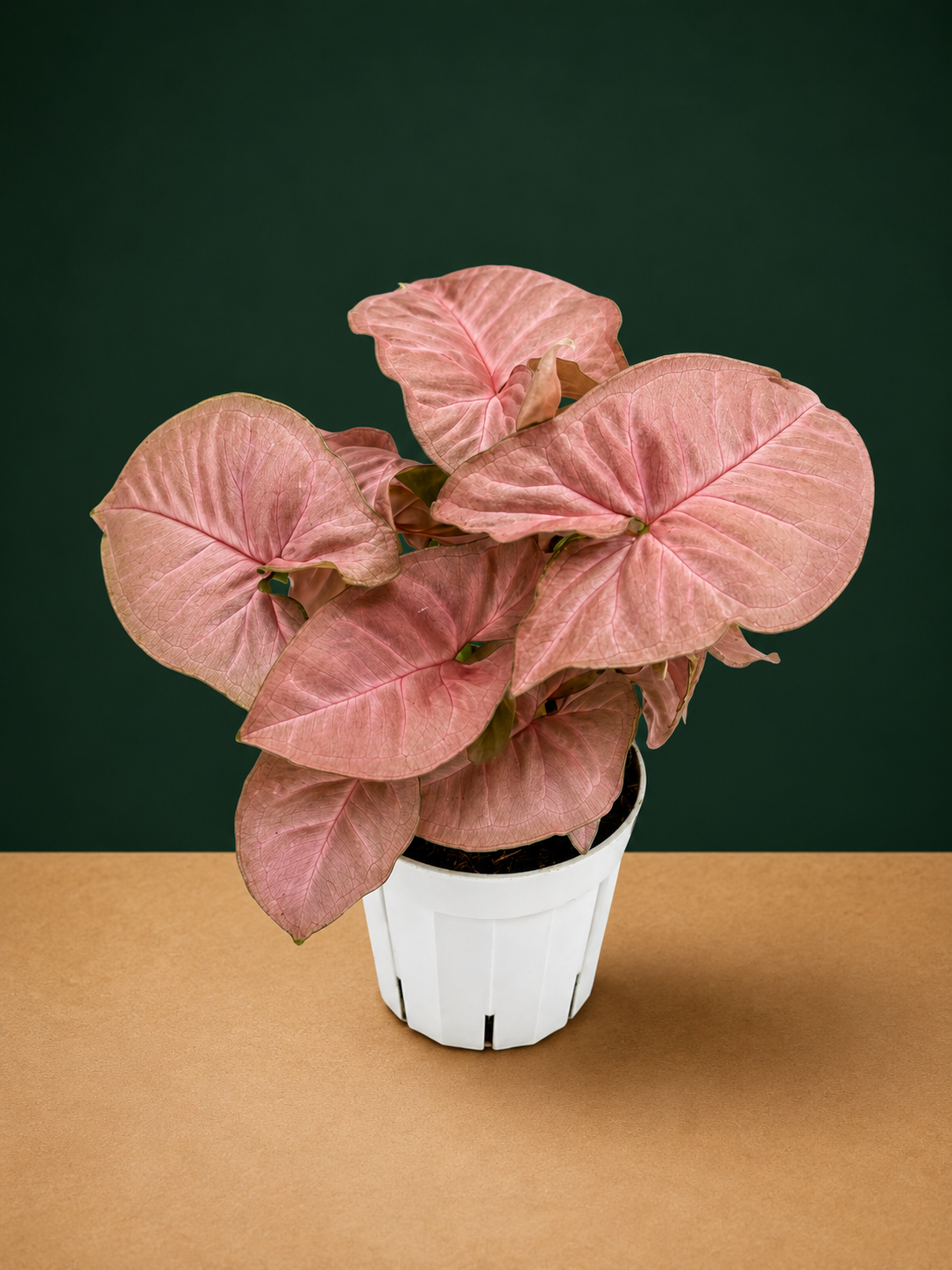
The Stromanthe Triostar, universally admired as the Vibrant Pink Variegated Rare Prayer Plant, is an absolute showstopper in the horticultural world, treasured for its breathtaking, multi-colored foliage. Natively originating from the hot, deeply humid understories of the Brazilian tropical rainforests, this exotic perennial produces large, elegant, lance-shaped leaves. Each blade displays a stunning, asymmetrical mosaic of olive green, creamy white, and pastel pink variegation on the upper surface, beautifully countered by a rich, glowing magenta-purple underside. As a spectacular member of the prayer-plant family (Marantaceae), the Triostar exhibits mesmerizing daily movement, dynamically folding its leaves upward at night and opening them wide during the day to capture ambient light. This rare and collectible specimen serves as an exceptional structural centerpiece for modern interior styles, offering functional air-purifying qualities while introducing premium, high-end jungle energy into your living space.

Other Common Names

Stromanthe Triostar
Variegated Stromanthe
Stromanthe Thalia Triostar
Tricolor Prayer Plant

Care Details

Light

To preserve the vivid, high-contrast leaf graphics of your Stromanthe Triostar, position it in a spot that receives medium to bright indirect sunlight. Harsh, direct sun exposure must be strictly avoided, as raw UV rays will easily burn the delicate variegated zones, causing them to turn brown and crisp. While it can adapt to lower light settings, a prolonged lack of sufficient light will cause its growth to stall and lead to a significant loss of its signature pink and white variegation, with new leaves emerging mostly green. An ideal location is a few feet away from an east- or north-facing window where the ambient daylight remains bright but completely diffused.

Water

Keeping the potting medium evenly damp is the absolute key to success with this finicky tropical plant. Check the soil frequently and water thoroughly as soon as the top surface layer begins to feel dry to the touch. You must use distilled, filtered, or rainwater, as this species is highly sensitive to the chlorine, fluoride, and hard mineral salts found in standard tap water, which instantly cause unsightly crisping edges. Pour water slowly and evenly over the soil until it drains freely from the bottom holes, and always empty the collection tray right away to prevent root suffocation.

Humidity & Temperature

This rainforest native demands highly elevated atmospheric moisture and performs best when relative humidity levels stay at 60% or higher. Utilizing close-proximity humidifiers, regular pebble trays, or grouping it closely with other tropical houseplants will help keep the large leaf margins pristine. Maintain indoor temperatures consistently within the 65–80°F (18–27°C) range. It is absolutely vital to shield the plant from active HVAC cooling units, heating vents, or drafty entryways, as sudden thermal changes and dry air currents will quickly shock the foliage.

Soil & Fertilizing

Plant this rare specimen in peat-rich structural blends engineered specifically to hold clean moisture safely without clogging or compacting. An ideal formulation combines high-quality peat moss or coco coir with generous portions of perlite and orchid bark to allow smooth drainage and root respiration. To support its vibrant growth cycles, dilute a clean, standard liquid houseplant fertilizer to half-strength and apply it monthly from early spring through late summer. Cease all supplemental feeding entirely during the fall and winter months when the plant enters its natural resting phase.

Propagation

Propagation is best accomplished by the method of root division during the active spring repotting season. Carefully slide the mature plant out of its container and gently brush away the structural soil mix to expose the rhizomes and root clusters. Identify natural clumps that possess a healthy, independent root system and at least two or three intact variegated leaf fans. Gently tease the roots apart or separate them cleanly using a sterilized pruning knife. Pot each new division immediately into a smaller container filled with fresh, damp, peat-rich soil, and maintain high humidity until the plant establishes itself.

Re-potting

Plan to repot your Stromanthe Triostar every 12 to 18 months during the spring to refresh the nutrient-depleted soil and accommodate its spreading growth habit. Always upgrade to a new container that is only 1 to 2 inches larger in diameter than the current one, and verify it features functional drainage holes. Gently loosen the outer edges of the root ball before centering it in the fresh substrate. Avoid choosing an oversized pot, as excess soil volume holds onto unnecessary water, which can easily lead to root rot.

Pet Safe

Pet Safety

The Stromanthe Triostar is entirely pet friendly and non-toxic, providing total peace of mind for households with curious dogs and cats. It contains no harmful chemical compounds or irritating sap, meaning it causes no internal injury if a leaf is accidentally chewed. However, due to its premium, delicate, and collectible foliage, it is still best to place it on an elevated stand, shelf, or table safely out of your pet's reach. This ensures its striking, multi-colored leaf graphics remain completely unmarred by scratching or playful biting.

Native Region

The ancestral roots of the Stromanthe Triostar trace back directly to the deeply shaded, hot, and humid forest floors of the Brazilian tropical rainforests. Living beneath a massive, dense jungle canopy allows them to receive constant shelter, high atmospheric humidity, and beautifully filtered, dappled sunlight while staying protected from harsh winds. Replicating this sheltered understory environment inside your home is the ultimate secret to unlocking its housing growth and keeping its pink variegation radiant.

Fun Fact

The captivating daily movement of this plant is governed by a specialized cellular organ located at the base of each leaf stalk called a pulvinus. This structure acts like a natural hydraulic pump, altering internal fluid pressure in response to light transitions. This evolutionary adaptation allows the plant to raise its leaves vertically into a prayer position at night to funnel condensation down to its roots and lower them flat during the day to maximize light absorption on the dark jungle floor.

Common Problems

Warning

Crispy Brown Edges and Tips

Cause: Low humidity or tap water minerals

When the elegant, lance-shaped leaves develop dry, brittle, brown borders, it is usually a clear sign of low ambient humidity or a negative reaction to tap water. This species is highly sensitive to the chlorine, chloramine, and heavy minerals found in standard municipal tap water lines. Furthermore, if your indoor air humidity drops below the crucial 50% mark, the edges will evaporate moisture too quickly and crisp up. To fix this issue, immediately switch to using distilled or rainwater and elevate the localized humidity levels using a close-proximity humidifier or pebble tray.

Danger

Yellowing Foliage and Soft Bases

Cause: Overwatering and root suffocation

If the lower leaves turn a pale, uniform yellow color and the base of the stems feels soft or mushy, you are likely overwatering the plant. Saturated soil conditions deplete the oxygen supply within the root zone, causing the roots to rot away and preventing them from absorbing water. Stop all watering immediately and ensure the pot's drainage holes are completely clear of any obstructions. Allow the peat-rich structural blend to dry out significantly before you introduce fresh moisture, and prune away severely affected yellow stems at the soil line.

Warning

Tight Leaf Rolling During Daylight

Cause: Severe dehydration and dry soil

When the oversized leaves tightly curl inward from the outer margins to form straw-like tubes during the day, the plant is suffering from severe dehydration. This curling behavior is a natural defensive reflex designed to reduce surface area and conserve precious moisture when the soil is dry. Check the soil mix, and if it feels dry all the way through, give the plant a thorough, slow soaking with room-temperature distilled water. If the media has become hydrophobic and shrunk away from the pot walls, utilize the bottom-watering method for twenty minutes to restore soil structure.

Info

Washed Out Colors and Bleached Spots

Cause: Excessive direct sunlight exposure

The appearance of faded, pale leaves or dry, straw-colored bleached spots on the upper leaf surfaces indicates that the plant is getting too much direct sunlight. Intense, unfiltered sun rays quickly break down the delicate cream, green, and pink pigments responsible for the plant's high-contrast leaf graphics. These sunburned spots are permanent structural damage and cannot heal themselves over time. Move the plant immediately into a more sheltered location featuring filtered, indirect light, and trim away the ruined leaves once fresh growth emerges.

Quick Tips

Things to know

01

Gently wipe the large, colorful leaves once a week with a damp microfiber cloth to remove household dust and optimize natural light absorption.

02

Monitor the foliage during the day; a sudden folding drop of the leaves during peak daylight hours hints at an immediate need for water.

03

Never apply commercial leaf shine chemical formulations to these leaves, as they will clog the stomata and cause permanent cell damage.

04

Always utilize tepid or room-temperature water when hydrating your Stromanthe to prevent chilling and shocking its delicate tropical root network.

05

Group this rare showpiece closely with other high-humidity tropical houseplants to naturally create a beneficial, moisture-rich microclimate.

06

Prune older, naturally declining lower leaves cleanly at the stem base using sterilized shears to keep the plant looking pristine and neat.


Rare & Collectible, Pet Safe Plants, Stromanthe Triostar, Prayer Plants, Air Purifying