Skip to content

Free Shipping On All Orders

Expert Care Guide with Every Plant

7-Day Undamaged Plant Guarantee

Rattlesnake Calathea

Tap any badge to learn more

About

Rattlesnake Calathea

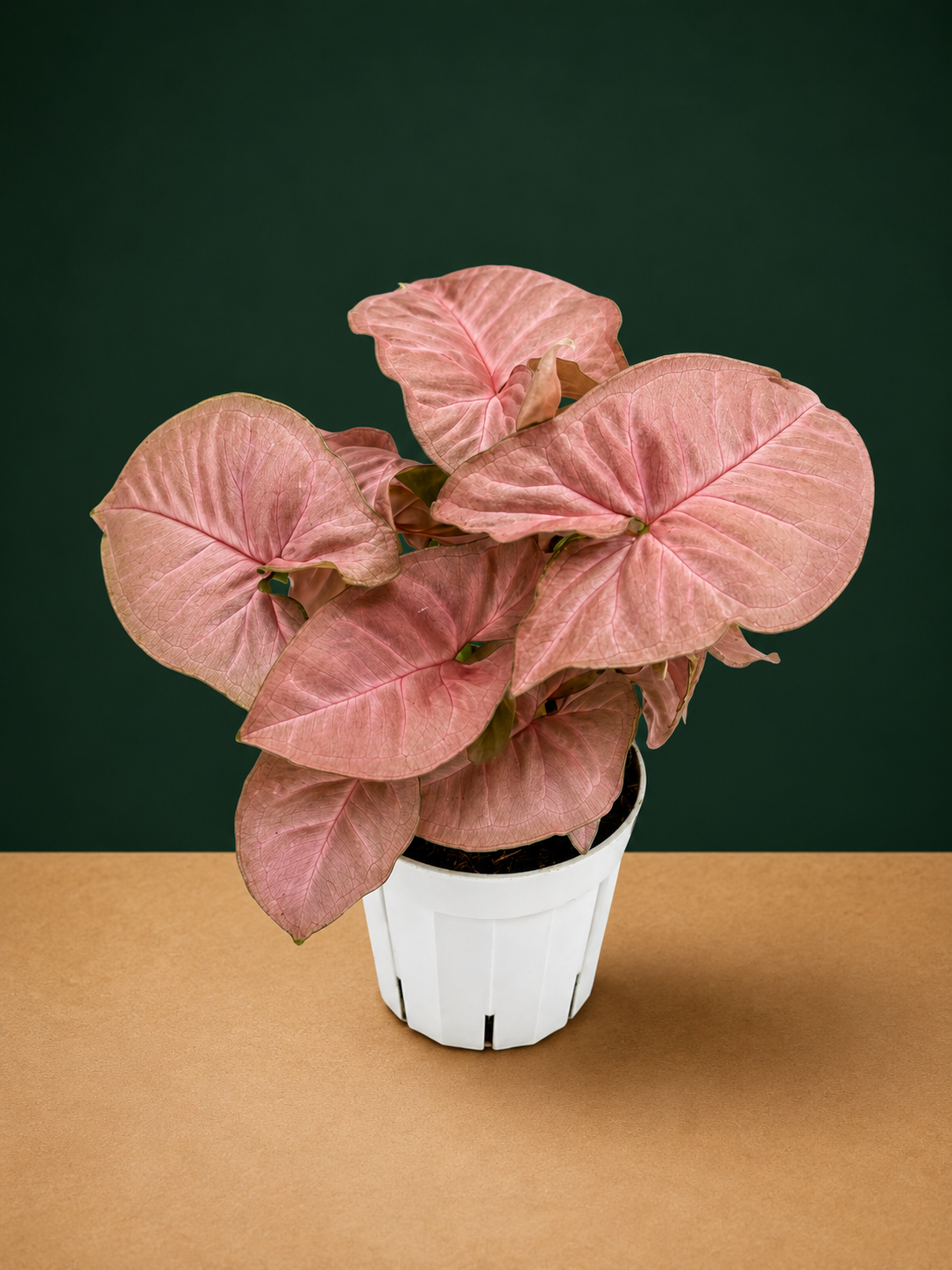
Native to the warm, shaded understories of the Brazilian rainforests, the Rattlesnake Calathea is celebrated for its striking, graphic foliage and dramatic daily movements. Its long, lance-shaped leaves feature wavy margins decorated with deep green brushstrokes, which beautifully contrast against a rich, royal purple-maroon underside. As a member of the prayer-plant family, this specimen brings dynamic energy into a home by shifting its leaves horizontally during the day and folding them upward at night. This daily circadian rhythm makes it a captivating, living centerpiece rather than a static piece of decor. Beyond its visual charm, it actively purifies indoor air, making it a highly functional and rewarding addition to modern, design-focused interiors.

Other Common Names

Rattlesnake Plant
Rattlesnake Master
Goeppertia Insignis
Calathea Lancifolia

Care Details

Light

Position your plant where it will receive plenty of medium to bright indirect sunlight throughout the day. Direct sun exposure must be strictly avoided as it will easily scorch the delicate foliage and bleach out the high-contrast green graphics. If the ambient light is too low, the growth rate will slow down significantly and new leaves may lose their vibrant coloring. An east-facing window or a spot set back a few feet from a bright southern window provides the ideal lighting balance.

Water

Maintain an evenly damp potting medium by watering whenever the top half-inch of soil feels dry to the touch. It is crucial to use distilled, filtered, or rainwater because this species is highly sensitive to the chlorine, fluoride, and hard minerals found in municipal tap water. When you water, pour thoroughly until moisture runs out of the drainage holes, then empty the collection saucer immediately. Never let the roots sit in stagnant water, as this will quickly induce root rot.

Humidity & Temperature

This tropical native demands elevated humidity levels of 60% or greater to keep its leaf margins from turning brown and crispy. Grouping it with other plants, using a pebble tray filled with water, or running a dedicated humidifier nearby will ensure it thrives. Keep the room temperature consistently between 65°F and 80°F year-round. Be careful to shield the foliage from sudden drafts, cold windows, and the direct airflow of active HVAC cooling or heating vents.

Soil & Fertilizing

Plant in a loose, peat-rich structural potting blend that is specifically engineered to retain clean moisture safely without clogging. Amending the mix with plenty of perlite or coarse sand will ensure excellent drainage while maintaining the airy texture the roots love. During the active spring and summer growing seasons, feed your plant once a month. Use a balanced liquid houseplant fertilizer diluted to half-strength to prevent root burn while supporting fresh new growth.

Propagation

Propagation is achieved through root division during the spring repotting season when the plant is actively growing. Gently remove the mature plant from its container and carefully shake away loose soil to expose the root network. Locate natural clusters with established root systems and at least two or three healthy leaves, then gently separate them by hand or with a sterile knife. Pot the new divisions into smaller containers filled with fresh, moist potting mix and maintain high humidity until new growth establishes.

Re-potting

Repot your plant every 12 to 18 months during the spring, upgrading to a container that is only one size larger with functional drainage holes. Choosing a pot that is too large holds excess moisture for too long, which increases the risk of root rot. Gently loosen the root ball before centering it in the new pot, filling the surrounding space with fresh, nutrient-dense soil. Water thoroughly after repotting to settle the soil and help the roots recover from transit shock.

Pet Safe

Pet Safety

This beautiful plant is completely non-toxic and pet-friendly, meaning it poses no danger to dogs or cats if they happen to take an accidental nibble. It contains no toxic crystals or chemical irritants, offering total peace of mind for pet owners. Even so, it is best to keep it out of reach to protect its delicate, decorative leaves from being damaged by playful paws.

Native Region

The Rattlesnake Calathea originates from the tropical rainforest floors of Brazil. In its native habitat, it lives under a dense canopy, which shields it from direct sunlight while providing constant warmth and high humidity. Replicating these sheltered, humid, and warm conditions indoors is the key to unlocking its lush growth and vibrant color.

Fun Fact

This plant exhibits a fascinating natural behavior known as nyctinasty, where its leaves move visibly in response to light cycles. A cellular joint called the pulvinus at the base of each leaf alters water pressure to fold the leaves upward at night and open them wide during the day. This movement is thought to help the plant catch optimal light in the deep jungle and prevent water droplets from pooling on the foliage overnight.

Common Problems

Warning

Crispy Brown Leaf Edges

Cause: Low humidity or tap water

If you notice the edges of the leaves turning dry, brown, and brittle, it is typically a sign of inadequate humidity or tap water sensitivity. This tropical variety is highly sensitive to the minerals, fluoride, and chlorine found in standard municipal tap water. Additionally, dry indoor air below 50% humidity will accelerate this crisping behavior. Switch to using distilled or rainwater, and increase the ambient humidity using a humidifier or pebble tray to restore pristine growth.

Danger

Yellowing Leaves and Soft Stems

Cause: Chronic overwatering and poor drainage

Yellowing lower leaves combined with limp, mushy stems are classic indicators of overwatering and impending root rot. When the soil remains constantly saturated, the roots are starved of oxygen and begin to decay, preventing them from absorbing nutrients. Immediately stop watering and check that the container drainage holes are not blocked. Allow the top soil layer to dry out significantly before watering again, and prune away any severely decayed stems.

Warning

Curled Leaves and Drooping Foliage

Cause: Severe underwatering or dehydration

When the long, wavy leaves tightly curl inward along their length during the daytime, the plant is trying to conserve moisture due to dehydration. This defensive mechanism indicates that the soil mix has dried out completely for too long. Give the potting medium a thorough, deep soak until water flows freely out of the bottom drainage holes. If the soil has shrunk away from the pot sides, consider bottom-watering it for fifteen minutes to rehydrate the peat completely.

Info

Faded or Scorched Patterns

Cause: Excessive direct sunlight exposure

If the distinct, deep green brushstroke patterns begin to fade, look washed out, or show bleached patches, the plant is getting too much direct light. Intense sun rays break down the chlorophyll and delicate pigments responsible for the leaf graphics. Once these leaves are scorched, they cannot heal themselves and will eventually need to be trimmed. Move the plant immediately to a spot with filtered, indirect light to protect the new foliage coming in.

Quick Tips

Things to know

01

Wipe the large leaves once a week with a soft, damp cloth to remove dust and maximize photosynthesis.

02

Monitor daylight leaf movement; if the leaves remain folded or drop suddenly during peak daylight hours, check the soil moisture immediately.

03

Never use chemical leaf shine products on this foliage, as they can clog the sensitive leaf pores and ruin the natural matte finish.

04

Group your Calathea closely with other tropical houseplants to create a localized microclimate with naturally higher humidity levels.

05

Always use tepid or room-temperature water, as cold tap water can shock the tropical root system and cause leaf spotting.

06

Prune away older, fading lower leaves at the base using sterilized shears to direct the plant's energy toward lush new growth.


Rattlesnake Calathea, Pet Safe Plants, Calathea Care, Statement Houseplants, Air Purifying Plants