Skip to content

Free Shipping On All Orders

Expert Care Guide with Every Plant

7-Day Undamaged Plant Guarantee

Rare Alocasia Venom

Tap any badge to learn more

About

Rare Alocasia Venom (Alocasia 'Venom')

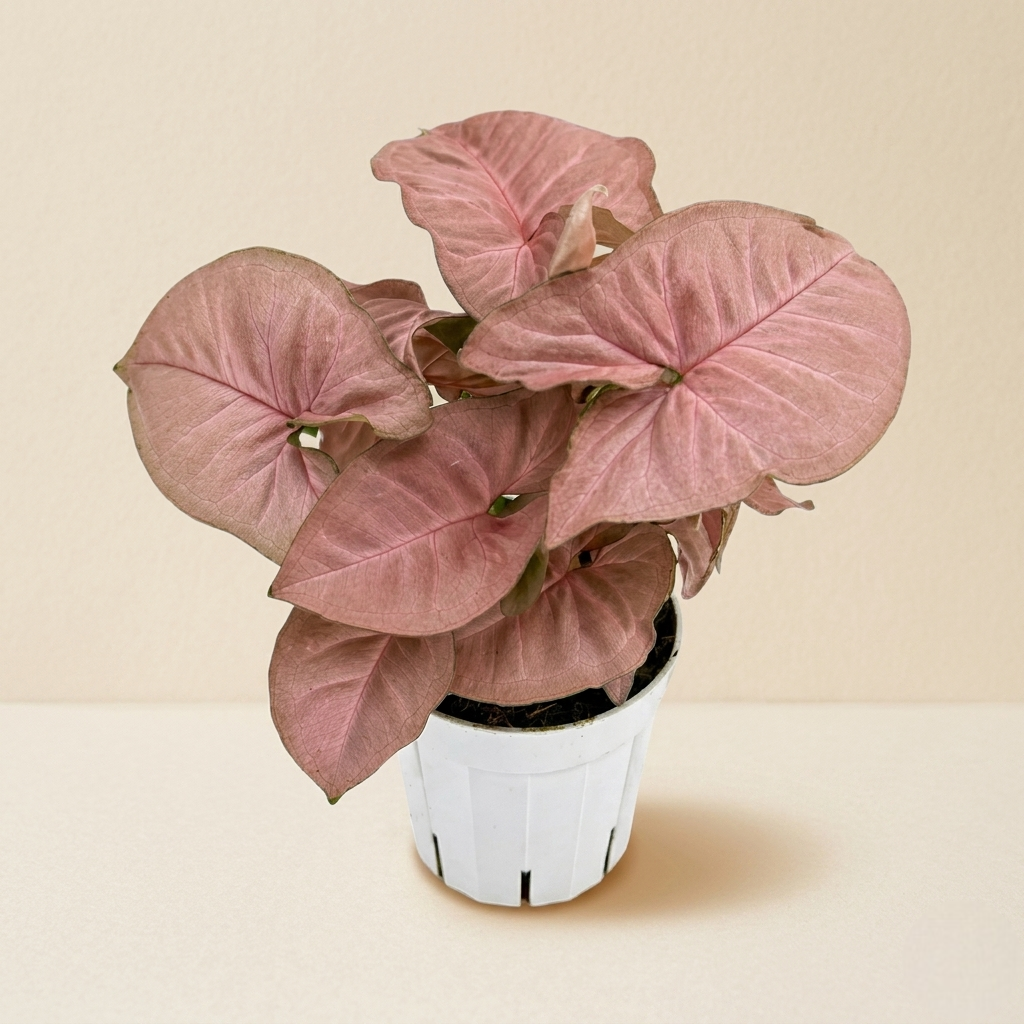
The Rare Alocasia Venom Tissue Culture Starter Plant is an extraordinary, highly coveted addition to the world of exotic aroids. Originally discovered in South Korea around 2019 by breeder Mason Lee, this plant emerged as a spontaneous morphological mutation of the classic Alocasia 'Amazonica' (a historic cross between Alocasia sanderiana and Alocasia longiloba 'Watsoniana'). The cultivar owes its fierce name to its most unique physical characteristic: a dramatically elongated apical drip tip that tapers and curls into a narrow, fang-like or tail-like point, evoking organic structures reminiscent of sci-fi symbiotes. As the plant develops out of its sterile laboratory tissue culture state, its shield-shaped leaves undergo an unusual transition—while juvenile leaves emerge a rich, dark green, they gradually lighten into a magnificent, matte, silvery-green finish that remains stable with age. Supported by slightly lighter, pronounced raised venation and softly undulating margins, this slow-to-moderate grower rewards advanced collectors with unmatched architectural drama. Managing this delicate micropropagation specimen during its home hardening phase requires precise attention, resulting in an exquisite centerpiece that stands completely apart from any typical indoor garden collection.

Other Common Names

Venom Alocasia
Symbiote African Mask Plant
Alocasia Amazonica Mutation
Fang-Tip Alocasia

Care Details

Light

Alocasia 'Venom' thrives when provided with six to eight hours of bright, indirect light every single day. Because its ancestral parents are forest-floor species adapted to filtered tropical canopies, this mutation achieves its beautiful matte silver finish under high-volume diffused conditions or beneath professional LED grow fixtures set twelve to fourteen inches above the plant. Direct, unfiltered sunlight must be avoided completely as it will scorch the soft, undulating margins and bleach the textured leaf surfaces. If the light levels are left too dim, the plant will struggle to grow new leaves, and the characteristic pale, silvery coloration will fail to develop, leaving the foliage looking dull and plain green.

Water

Watering your Alocasia Venom starter plant demands an incredibly steady touch to prevent the root zone from suffocating. The propagation substrate must remain evenly light and damp, mimicking a thoroughly wrung-out sponge, rather than drying out completely or sitting in stagnant pools. Carefully apply room-temperature distilled water or clean rainwater every four to seven days, depending on your container's internal evaporation rate. Avoid using hard municipal tap water since the residual chemicals and heavy mineral salts can easily burn the fragile micro-roots and cause the thin, elongated leaf tips to crisp up. Ensure the starter vessel has optimal drainage so that excess liquid escapes instantly.

Humidity & Temperature

This exotic understory plant requires an enclosed setup capable of maintaining a stable humidity level between 65% and 80%+ to safeguard its delicate foliage. Keep the fresh laboratory arrival sealed inside a clear humidity dome, propagation box, or glass cabinet during its first few weeks of home acclimation. Maintain a warm indoor temperature steadily between 68 and 85 degrees Fahrenheit (20 to 29 degrees Celsius). Protect the unhardened seedling from all drafty vectors, including active air conditioning vents, heating systems, and chilly windows. Temperatures dropping below 60 degrees Fahrenheit (15 degrees Celsius) will severely slow its growth, and prolonged exposure near 50 degrees Fahrenheit (10 degrees Celsius) can trigger total leaf drop or push the central corm into an unwanted state of seasonal dormancy.

Soil & Fertilizing

During the initial acclimation and establishment phases, this micro-propagated starter must be kept in a sterile, exceptionally airy substrate rather than traditional dense potting soil. An ideal mix combines seventy percent high-grade long-fiber sphagnum moss with thirty percent coarse perlite, or a porous blend of small-grade tree fern fiber and coco chips to maximize root zone oxygenation. Do not apply any commercial fertilizers during the first six to eight weeks while the plantlet hardens off from its agar flask. The intensive mineral content of standard plant foods will instantly destroy the delicate, hair-like feeder roots. Once the plant successfully establishes a robust root system and pushes out its third home leaf, you can begin feeding it monthly with a balanced liquid fertilizer diluted down to one-quarter strength.

Propagation

While mature versions of this rhizomatous aroid can eventually be multiplied by separating small offsets or harvesting underground corms, this tissue culture starter plant is far too juvenile for any propagation attempts. Trying to divide or cut a miniature seedling will inevitably slice its singular central growth crown, resulting in systemic shock and the death of the entire specimen. Your sole focus must remain on supporting stable leaf development and root expansion over its first year. Once the plant matures completely and begins naturally multiplying corms in its soil mix after a couple of seasons, you can safely separate those offsets during a standard spring repotting.

Re-potting

You should only consider moving your Alocasia Venom starter plant once its root network completely fills its initial propagation vessel or plug. Select a small transitional container measuring no more than two to two and a half inches in diameter, equipped with plenty of functional bottom drainage pathways. Carefully extract the seedling from its temporary home, ensuring you do not pull or snap the highly brittle tissue culture feeder roots. Position the plantlet into the center of the new container, keeping the base of the delicate stem crown resting exactly flush with or slightly above the media surface. Gently fill the void with a loose, chunky aroid mix and mist it lightly with distilled water to settle the loose pieces.

Not Pet Safe

Pet Safety

Like all members of the aroid family, Alocasia 'Venom' is completely unsafe for households with pets due to a high concentration of insoluble calcium oxalate crystals throughout its leaves and stems. If a cat or dog bites into the matte silvery foliage or its elongated tips, these microscopic needle-like crystals will immediately pierce the sensitive soft tissues of the mouth, tongue, and throat. This interaction causes rapid oral swelling, intense burning sensations, constant drooling, visible distress, and potential respiratory issues. To eliminate all danger to your domestic animals and protect your investment, always cultivate this rare specimen inside an enclosed glass terrarium or high on a completely inaccessible shelf.

Native Region

While the parental species (Alocasia sanderiana and Alocasia longiloba) are native to the humid, tropical rainforest floors of Southeast Asia, this specific 'Venom' cultivar is a hybrid mutation that originated in a controlled horticultural environment in South Korea. Because its biological blueprint comes from jungle understories, it fundamentally expects high ambient warmth, heavy atmospheric moisture, and a loose, highly oxygenated rooting medium that replicates decaying leaf litter on a tropical forest floor.

Fun Fact

The parent hybrid Alocasia 'Amazonica' does not actually come from the Amazon River or South America; it was named after the famous Amazon Nursery in Miami, Florida, where it was first bred in the 1950s. The 'Venom' sport is entirely morphological, meaning its rare mutation specifically warped the shape of the leaf rather than just altering its color or chromosome count. The long, curling tail at the tip of the leaf looks so organic and fierce that its discoverer named it after the iconic alien symbiote character from popular comic books.

Common Problems

Danger

Translucent Melting Leaves

Cause: Agar residue or poor initial acclimation airflow

If the leaves of your fresh tissue culture plantlet start turning see-through, mushy, or slimy within the first week, it is suffering from localized cellular melt. This is frequently caused by failing to completely wash away the sugar-rich laboratory agar gel from the roots, which quickly turns into a breeding ground for mold and aggressive bacteria under a closed humidity dome. Alternatively, it can occur if the humidity is kept at 100% without any minor air exchange. Carefully remove the plantlet from its media and rinse the roots under lukewarm, running distilled water to eliminate any remaining gel. Clip off the melted leaf tissue with a fully sanitized razor blade, refresh the substrate, and ensure the dome vents are cracked slightly to let the air breathe.

Warning

New Growth Lacking Silver Hue

Cause: Inadequate grow light intensity

If your Alocasia Venom continues to produce new foliage but the leaves remain dark green and fail to develop their signature pale, matte, silvery-green finish as they mature, the ambient light is far too low. While most Alocasias darken as they age, Venom is genetically programmed to lighten up, a trait that requires adequate illumination to stimulate properly. Without enough light energy, the plant produces excessive chlorophyll to survive, masking the unique silver mutation. Gradually increase the intensity or duration of your indoor grow lights, or move the propagation box closer to a bright window with diffused coverage, aiming for a solid twelve hours of filtered light daily.

Danger

Sudden Leaf Drop and Soft Base

Cause: Fungal root rot from waterlogged substrate

If the unique fanged leaves suddenly turn yellow, droop limply, and the base of the tiny stem or corm feels mushy, fungal root rot is destroying your plant. This fatal condition is caused by overwatering or using a heavy, compacted potting mix that holds stagnant water and suffocates the microscopic root cells. To save the seedling, gently slide it out of the substrate and inspect the root system. Use a sterilized pair of micro-shears to completely prune away any dark, slimy, or hollow roots back to healthy tissue. Dust the remaining firm corm lightly with organic sulfur or cinnamon powder and repot it into a fresh, ultra-airy mixture of clean perlite and damp sphagnum moss.

Info

Crispy Brown Drip Tips

Cause: Rapid drops in atmospheric humidity

If the elongated, fang-like tips of the leaves begin turning brittle, dry, and brown while the rest of the leaf blade remains completely healthy and green, the ambient humidity is dropping too fast. The long apical tip is the thinnest and most sensitive part of the plant's anatomy, making it the very first zone to dry out when the surrounding air becomes thin. This typically happens if you remove the starter plant from its protective humidity enclosure too early or too quickly. Place the plant back into a high-humidity environment or a sealed Ziploc bag immediately to stabilize it, and transition it to room air much more gradually over several weeks by propping the lid open a few extra minutes each day.

Quick Tips

Things to know

01

Never apply oily leaf shine products to this cultivar; its unique beauty relies entirely on maintaining a clean, velvety-matte finish.

02

Always rotate your starter cup a quarter-turn every week to ensure the unique arrow-shaped leaves grow upright instead of leaning heavily toward the light.

03

Use clear plastic propagation cups so you can easily monitor root development and moisture levels without having to disturb the fragile root zone.

04

If water droplets form consistently on the leaf tips when out of the dome, it is experiencing guttation—a sign to slightly scale back watering.

05

Rest the acclimation tray on a waterproof seedling heat mat set to a stable 75 degrees Fahrenheit to significantly accelerate early micro-root establishment.

06

Avoid checking root growth by tugging on the stem; tissue culture plants focus heavily on unseen root work first before pushing top growth.


alocasia venom, venom tissue culture, rare alocasia care, fanged aroids, collector plant acclimation