Skip to content

Free Shipping On All Orders

Expert Care Guide with Every Plant

7-Day Undamaged Plant Guarantee

Rare Alocasia Polly Mint Variegated

Tap any badge to learn more

About

Rare Alocasia Polly Mint Variegated

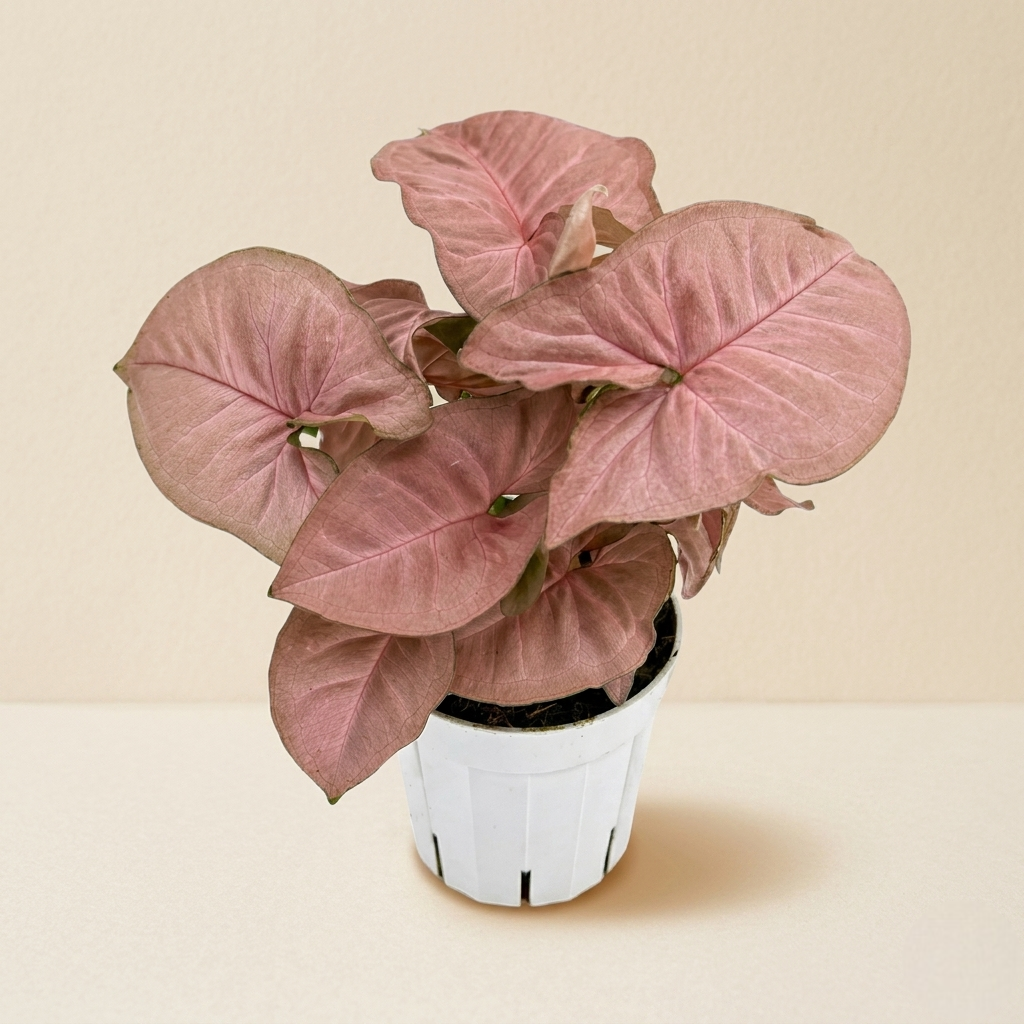
The Rare Alocasia Polly Mint Variegated is an extraordinary, highly coveted mutation of the classic African Mask plant that has captivated high-end collectors globally. This striking hybrid features dramatic, heavily scalloped, arrow-shaped leaves with prominent, structural silvery-white veins cutting through the center. What elevates this specific variety is its mesmerizing mint variegation, displaying random splashes, streaks, and blocks of creamy chartreuse and soft pastel green. Because it lacks uniform chlorophyll, it grows much slower than standard varieties, making pristine specimens incredibly precious. It perfectly balances a fierce, sharp architectural form with delicate, artistic color patterns that immediately upgrade any premium collection.

Other Common Names

Variegated Mint African Mask Plant
Variegated Polly Mint
Mint Elephant Ear
Alocasia Amazonica Mint

Care Details

Light

Providing bright indirect light is absolutely vital to protect and maintain the spectacular mint variegation of this specimen. It needs a high volume of ambient, filtered light to compensate for the patches of leaves that lack chlorophyll entirely. Place the plant roughly 3 feet away from a large east- or south-facing window where the rays are diffused by a sheer curtain. You must never let direct sunlight touch the foliage, as the delicate mint and cream areas will scorch and turn translucent within a single afternoon. Conversely, keeping it in low-light environments will cause the plant to lose its variegation and prompt the new leaves to revert to a solid, basic green.

Water

This premium aroid prefers its potting substrate to remain evenly moist but never saturated or soggy. You should check the moisture level manually and water only when the top 1 to 2 inches of soil feel dry to the touch, usually every 7 days during summer. This delicate cultivar is exceptionally prone to root rot if left to sit in stagnant water, so executing a thorough drench-and-drain method is mandatory. Always empty the drainage saucer within 15 minutes of watering to prevent the fine roots from suffocating. To minimize stress, utilize room-temperature distilled water or rainwater to prevent chemical salt burn on the leaf tips.

Humidity & Temperature

To keep the rare variegated tissue from crisping, maintain high humidity levels between 60% and 80% constantly. Placing a dedicated humidifier nearby or keeping the plant inside an enclosed glass terrarium or greenhouse cabinet will yield the best aesthetic results. Keep your indoor temperatures strictly controlled between 68 and 85 degrees Fahrenheit (20 to 29 degrees Celsius). This hybrid is highly sensitive to cold shocks and will enter premature dormancy if exposed to sudden drafts. Never position the plant near active air conditioning units, drafts from exterior doorways, or heating radiators.

Soil & Fertilizing

This specialized collector plant requires an extremely chunky, quick-draining aroid mix that balances aeration with clean water retention. A superb professional substrate consists of 50% premium potting soil, 30% coarse perlite, 10% orchid bark, and 10% horticultural charcoal. This structural combination keeps air flowing around the rhizome while shedding excess hydration easily. During the spring and summer months, apply a gentle, balanced liquid houseplant fertilizer once every 3 to 4 weeks. Always dilute the mixture to half or quarter strength to shield the highly sensitive roots from potential chemical salt burn. Refrain from feeding completely during the winter dormancy phase when growth naturally stalls.

Propagation

Propagating a rare variegated Alocasia is a delicate process accomplished by carefully harvesting underground corms or dividing mature rhizomes. When repotting in early spring, look for small, bulb-like corms nestled deep within the root network. Gently separate these corms from the parent plant using clean, sterilized tools to ensure no pathogens are introduced. Place the harvested corms in a shallow container filled with damp sphagnum moss or perlite under a clear humidity dome. Keep the propagation container under bright grow lights at 100% humidity for several weeks until roots and the first miniature leaf emerge. Avoid stem cuttings completely as this plant grows strictly from a central root structure and cannot propagate from single leaves.

Re-potting

This rare variety thrives best when kept slightly root-bound, so you should only repot it every 2 years. Choose a new container that is no more than 1 inch larger in diameter than its existing pot to prevent soil over-saturation. Repotting into an overly large container leaves too much unused soil, which retains excess water and increases rot risk. Handle the fragile root structure with immense care to avoid shocking the sensitive variegation. Fill in around the root ball with fresh, airy substrate and press down gently without compacting the mix.

Not Pet Safe

Pet Safety

Like all members of the Araceae family, this plant is strictly toxic to both humans and domestic pets. The thick tissues contain sharp calcium oxalate crystals that cause immediate physical irritation when chewed or swallowed. Ingestion will prompt severe burning of the mouth, swollen lips, intense drooling, and digestive distress. You must place this rare specimen entirely out of reach on high shelving or inside a locked greenhouse cabinet.

Native Region

While the standard parent species has ancestral roots in the tropical, high-humidity rainforest understories of Southeast Asia, this specific mint variation is a cultivated greenhouse selection. It inherits a genetic blueprint that thrives in warm climates beneath heavily filtered tree canopies. Because it was developed through strict collector selection and micropropagation, it relies entirely on optimized indoor conditions to survive.

Fun Fact

The unique coloration of this plant is classified as chimeric variegation, meaning it is caused by a rare genetic mutation that creates two distinct cellular makeups. This unpredictable genetic layout means that every single emerging leaf is a complete surprise, ranging from heavy mint mottling to dramatic solid green patches. Collectors prize this absolute uniqueness because no two specimens will ever share the exact same structural design pattern.

Common Problems

Danger

Melting Variegated Leaf Patches

Cause: Excess moisture or low humidity


Title:
Body: If you observe the delicate cream and mint areas of the foliage turning translucent, mushy, or brown, the leaf tissue is actively melting. This tragic symptom occurs when environmental humidity drops too low or when the potting soil stays saturated for too long. The thin cells lacking chlorophyll are incredibly fragile and collapse easily under water stress. To fix this immediately, remove the affected foliage with sterile blades, reduce your watering frequency, and position a clean humidifier near the plant to stabilize the atmosphere.

Warning

Title: Loss of Mint Variegation

Cause: Insufficient ambient light levels

When new leaves emerge almost entirely dark green with little to no mint patterns, your plant is reverting. This happens because the plant is struggling to photosynthesize effectively in low-light conditions and creates more chlorophyll to survive. To halt this process, immediately relocate your specimen to a much brighter area with rich indirect light. You can also introduce an adjustable LED grow light positioned 12 inches above the canopy for 12 hours daily to stimulate the variegated genetics.

Danger

Drooping Stems with Yellow Bases

Cause: Fungal root rot infection

When the heavy arrow-shaped leaves tilt sharply downward and the lower stems develop yellowing or mushy bases, root rot is advancing. This is caused by overwatering or a dense soil mixture that traps stagnant water around the rhizome, cutting off critical oxygen. Slide the plant completely out of its pot and inspect the delicate root system for black, foul-smelling strands. Trim away all diseased roots using sterilized shears, dust the remaining healthy sections with cinnamon or antifungal powder, and repot into a fresh, hyper-chunky mix.

Info

Sudden Leaf Loss in Autumn

Cause: Winter dormancy trigger


Title:
Body: If your plant suddenly stops producing new growth and drops several mature leaves as the weather cools, it is likely entering winter dormancy. This is a natural survival mechanism triggered by shorter daylight hours and dropping indoor temperatures. Do not panic or overwater the plant in a misguided attempt to revive it, as this will drown the resting rhizome. Cut back your watering schedule by half, stop applying all fertilizers, and keep the plant in a warm spot until spring temperatures spark new growth.

Quick Tips

Things to know

01

Check the physical weight of the container before watering because a feather-light pot is a great indicator that the substrate has dried out safely.

02

Carefully acclimate new tissue culture arrivals by keeping them inside a sealed seedling dome for at least 10 days to prevent immediate transplant shock.

03

Rotate the pot 90 degrees every week to prevent the beautiful variegated leaves from leaning awkwardly toward your primary light source.

04

Regularly check the undersides of the leaves for webbing, as Alocasias are highly appealing to spider mites when indoor air becomes dry.

05

Wipe down the glossy leaf surfaces gently with a damp cloth to clear dust buildup and maximize light absorption for the variegated cells.

06

Keep a close eye on any small bulb-like corms in the soil mix and leave them untouched to sprout naturally into brand new baby plants.


variegated alocasia, alocasia polly mint, rare aroids, collector plants, houseplant care