Skip to content

Free Shipping On All Orders

Expert Care Guide with Every Plant

7-Day Undamaged Plant Guarantee

Rare Alocasia Heart Balloon Pink Variegated

Tap any badge to learn more

About

Rare Alocasia Heart Balloon Pink Variegated

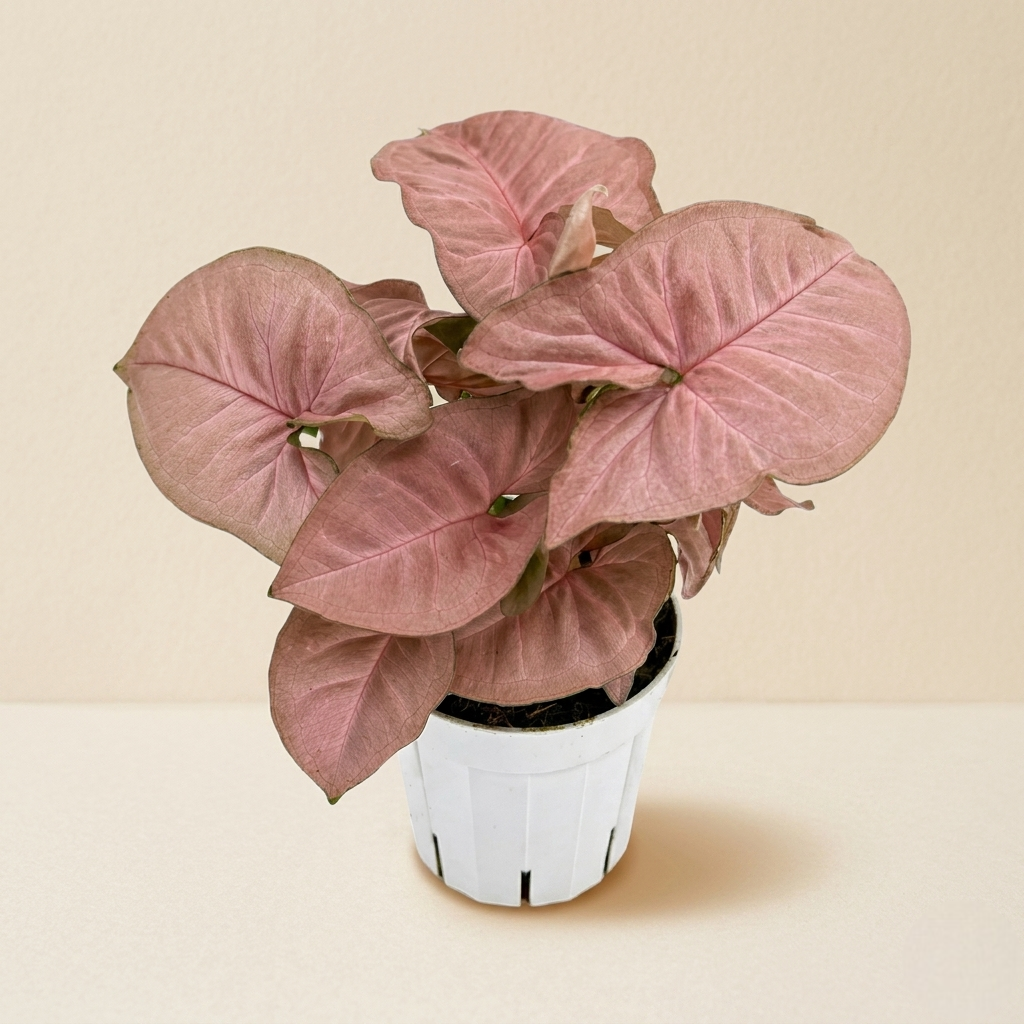
A true holy grail for collectors seeking the ultimate custom foliage, the Alocasia Heart Balloon Pink Variegated stands out with its distinct leaf shape and breathtaking, high-contrast coloration. It combines a beautifully rounded, inflated heart-like leaf structure with a magnificent chimeric mutation of pastel pink, ivory cream, and deep sage green. As a highly specialized collector's specimen, it thrives beautifully in a stable, high-humidity plant cabinet, terrarium, or dedicated indoor shelf where its gorgeous, abstract-painted leaves can be appreciated up close.

Other Common Names

Pink Variegated Heart Balloon
Variegated Balloon Heart Alocasia
Rare Alocasia Heart Balloon Pink Variegated
Alocasia 'Balloon Heart' Pink Variegated

Care Details

Light

Provide plenty of bright, filtered indirect light to keep the pink variegation stark and prevent the plant from reverting. Position the plant close to an east-facing window or a few feet away from a bright south- or west-facing window protected by a thin, sheer curtain. Avoid intense direct sunlight, which will instantly burn the delicate pink sectors.

Water

Water thoroughly only when the top 1 to 2 inches of soil have fully dried out. This plant's roots and corms are incredibly sensitive to excess water. Use a lightweight pot with abundant drainage holes, pour water evenly until it runs out the bottom, and immediately empty the runoff collection tray.

Humidity & Temperature

Keep the ambient humidity consistently high, ideally between 65% and 80%. Dry indoor air will cause the edges of the gorgeous pink sections to crisp, turn brown, and wither. Maintain stable, warm household temperatures between 68–82°F (20–28°C). Guard the plant closely against cold window drafts, air conditioning units, or sudden drops below 55°F (13°C).

Soil & Fertilizing

Use an ultra-chunky, extremely fast-draining custom mix. Combine a standard potting soil base with generous portions of orchid bark, perlite, pumice, and horticultural charcoal to keep oxygen flowing to the root system. Feed monthly during spring and summer with a balanced liquid fertilizer diluted to quarter-strength.

Propagation

This highly specialized cultivar is extremely sensitive to changes in its microclimate. When you first bring it home, place it in a highly stable, warm, and humid space (such as a greenhouse cabinet or under a clear humidity dome) for at least 2 to 3 weeks. Let it stabilize before considering repotting.

Re-potting

This compact Alocasia prefers a snug fit and does not need frequent repotting. Shift to a container that is only 1 inch larger in diameter every 1 to 2 years during early spring, and only if roots are densely circling the bottom or actively pushing through the drainage holes.

Avoid Pets

Pet Safety

Like all members of the Araceae family, this plant contains sharp microscopic crystals of calcium oxalate. If chewed or ingested by cats or dogs, it can cause severe mouth irritation, drooling, tongue swelling, and difficulty swallowing. Always keep it styled safely on a high shelf or inside a closed display cabinet.

Native Region

This specific 'Heart Balloon' hybrid was selectively bred and cultivated by specialized rare plant nurseries, with parent genetics tracking back to the tropical rainforest floors of Southeast Asia.

Fun Fact

The 'Heart Balloon' is a chimeric mutation, meaning its pastel pink coloration occurs randomly across the leaf tissue. No two leaves will ever feature the exact same pattern, giving you a completely unique, living work of abstract art.

Common Problems

Danger

Soft, Mushy Stems & Yellowing

Cause: Root rot or overwatering


Title:
Body: If your plant is drooping and its stems feel soft or mushy near the soil line, the roots are suffocating from excessive moisture. Stop watering immediately, inspect the roots for dark mushy spots, trim them back, and repot into a fresh, bone-dry chunky potting mix.

Warning

Crispy, Dry Brown Edges on Pink Sections

Cause: Low humidity or hot direct sunlight

The pink variegated patches lack chlorophyll and are incredibly fragile. If exposed to dry indoor air (below 55%) or hot sun, they will quickly scorch and dry out. Immediately increase humidity using a humidifier or move the plant into a glass terrarium enclosure.

Warning

Leaves Reverting to Solid Green

Cause: Insufficient light exposure

If new leaves emerge entirely green without any pink or cream patches, the plant is struggling to photosynthesize. Move it closer to a bright, filtered window or provide a dedicated LED grow light to stimulate the variegation.

Slow Growth and No New Leaves

Normal acclimation or focus on root development

Cause: Normal acclimation or focus on root development

This specialized hybrid grows at a slow, steady pace and can sometimes rest for weeks without pushing new growth, especially while adapting to a new space. As long as the existing leaves are firm, healthy, and colorful, the plant is doing well—patience is key.

Quick Tips

Things to know

01

Keep your Heart Balloon in bright, filtered indirect light to protect and maximize its stunning pink and cream variegation.

02

Allow the top 1 to 2 inches of soil to fully dry out between waterings to protect the sensitive roots from rot.

03

Maintain high humidity levels above 65% to prevent the delicate pink leaf tissue from crisping or browning.

04

Use an ultra-aerated potting mix loaded with orchid bark, perlite, and charcoal to ensure maximum drainage.

05

Protect the plant from cold window drafts or air conditioning vents to avoid triggering sudden winter dormancy.

06

Avoid over-fertilizing—this slow-growing compact jewel requires only very weak, highly diluted feeding during the spring.


Rare & Collectible, Colorful Foliage, Compact Plant, Jewel Alocasia, Collector Plant, Statement Piece