Skip to content

Free Shipping On All Orders

Expert Care Guide with Every Plant

7-Day Undamaged Plant Guarantee

Rare Alocasia Dragon Scale Albo Variegated

Tap any badge to learn more

About

Rare Alocasia Dragon Scale Albo Variegated

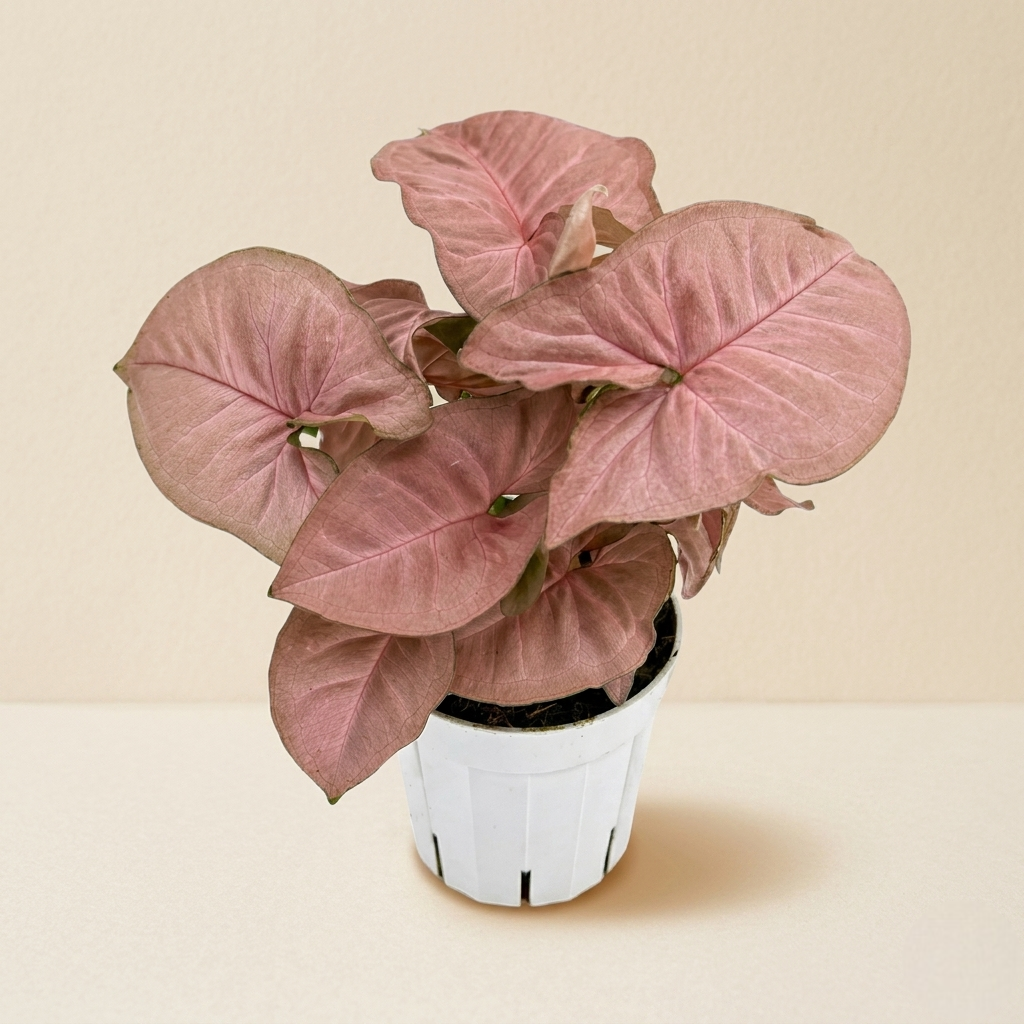
A true holy grail for collectors, the Alocasia Dragon Scale Albo Variegated is a sensational variety of the famous "Jewel Alocasia." Known for its deeply embossed, rigid, shield-shaped leaves that mimic mythical dragon scales, this cultivar elevates the aesthetic with a brilliant "Albo" mutation. Each leaf is an unpredictable, stunning mix of deep forest green, stone-grey, and snowy white. Growing as a compact cultivar, it stays small and structured, making it a stellar highlight for a high-humidity greenhouse cabinet, terrarium, or dedicated display shelf.

Other Common Names

Albo Variegated Dragon Scale
Rare Alocasia Dragon Scale Albo Variegated
White Variegated Jewel Alocasia
Variegated Alocasia baginda

Care Details

Light

Provide plenty of bright, indirect light to keep the variegation stark and prevent the plant from producing solid green leaves. Position the plant close to an east-facing window or a few feet away from a bright south- or west-facing window protected by a sheer curtain. Avoid intense direct sunlight, which will instantly scorch the delicate white areas.

Water

Water thoroughly only when the top 1 to 2 inches of soil have fully dried out. This plant's roots and corms are incredibly sensitive to excess water. Use a lightweight pot with abundant drainage holes, pour water evenly until it runs out the bottom, and immediately empty the runoff tray.

Humidity & Temperature

Keep the humidity consistently high, ideally between 60% and 80%. Dry indoor air will cause the edges of the gorgeous white sections to crisp, brown, and wither. Maintain stable, warm household temperatures between 65–85°F (18–30°C). Guard the plant closely against cold window drafts, air conditioning units, or sudden drops below 55°F (13°C).

Soil & Fertilizing

Use an ultra-chunky, extremely fast-draining aroid mix. Combine a standard organic potting soil base with generous portions of orchid bark, perlite, pumice, and horticultural charcoal to keep oxygen flowing to the root system. Feed monthly during spring and summer with a balanced liquid fertilizer diluted to half-strength.

Propagation

Typically propagated by harvesting the small underground "corms" (bulblet-like structures) produced by the mother plant's root system. Gently separate these during repotting and grow them in shallow, damp sphagnum moss or a closed puddle-box setup under high humidity until leaves and roots develop.

Re-potting

Alocasias prefer a snug fit and do not need frequent repotting. Shift to a container that is only 1 inch larger in diameter every 1 to 2 years during early spring, and only if roots are densely circling the bottom or pushing through the drainage holes.

Avoid Pets

Pet Safety

Like all members of the Araceae family, this plant contains sharp microscopic crystals of calcium oxalate. If chewed or ingested by cats or dogs, it can cause severe mouth irritation, drooling, tongue swelling, and difficulty swallowing. Always keep it styled safely on a high shelf or inside a locked cabinet.

Native Region

The wild parent species Alocasia baginda is native to the warm, deeply shaded limestone-rich tropical rainforest floors of Kalimantan, Borneo in Indonesia.

Fun Fact

The deep, structural veins of the 'Dragon Scale' aren't just for show. In their native rainforest understory, these rigid grooves help the leaf collect and channel moisture directly toward the root system while catching every bit of dappled light filtering through the dense forest canopy.

Common Problems

Danger

Soft, Drooping Stems & Yellowing

Cause: Root rot or overwatering

If your plant is drooping and its stems feel soft or mushy near the soil line, the roots are suffocating from excessive moisture. Stop watering immediately, inspect the roots for dark mushy spots, trim them back, and repot into a fresh, bone-dry chunky potting mix.

Warning

Crispy, Dry Brown Edges on White Sections

Cause: Low humidity or sunburn

The white, variegated sections lack chlorophyll and are incredibly sensitive. If they turn dry and crispy, your ambient humidity is likely too low (below 55%) or the plant is getting hit by harsh, direct sun. Move it further from the light source and run a humidifier nearby.

Warning

Fine Webbing and Dusty Leaves

Cause: Spider Mites infestation

Jewel Alocasias are highly prone to spider mites, which thrive in warm, dry environments. Inspect the leaf joints and undersides regularly. If you spot fine webs or dust-like specks, wipe the leaves down thoroughly with soapy water or treat with neem oil.

Info

Sudden Leaf Loss and No New Growth

Cause: Cool temperatures or winter dormancy

If exposed to temperatures below 55°F (13°C) or during the colder winter months, Alocasias can go dormant. They may drop all their leaves and retreat into their bulbous corm. Keep the soil barely damp and warm; new shoots will emerge once spring returns.

Quick Tips

Things to know

01

Place your Dragon Scale Albo in bright, filtered indirect light to keep its white-and-green contrast bold and beautiful.

02
03

Keep the humidity high—ideally between 60% and 80%—to prevent the delicate white variegation from turning brown and crispy.

04

Plant in an ultra-aerated mixture with plenty of orchid bark and perlite to prevent water from pooling around the roots.

05

Protect your plant from cold window drafts or air conditioning units, which can trigger sudden winter dormancy.

06

Wipe the heavily textured leaves gently with a damp microfiber cloth to remove dust and check the undersides for pests like spider mites.


Rare & Collectible, Jewel Alocasia, Compact Plant, Colorful Foliage, Collector Plant, Statement Piece