Skip to content

Free Shipping On All Orders

Expert Care Guide with Every Plant

7-Day Undamaged Plant Guarantee

Rare Alocasia Black Velvet Pink Variegated

Tap any badge to learn more

About

Rare Alocasia Black Velvet Pink Variegated

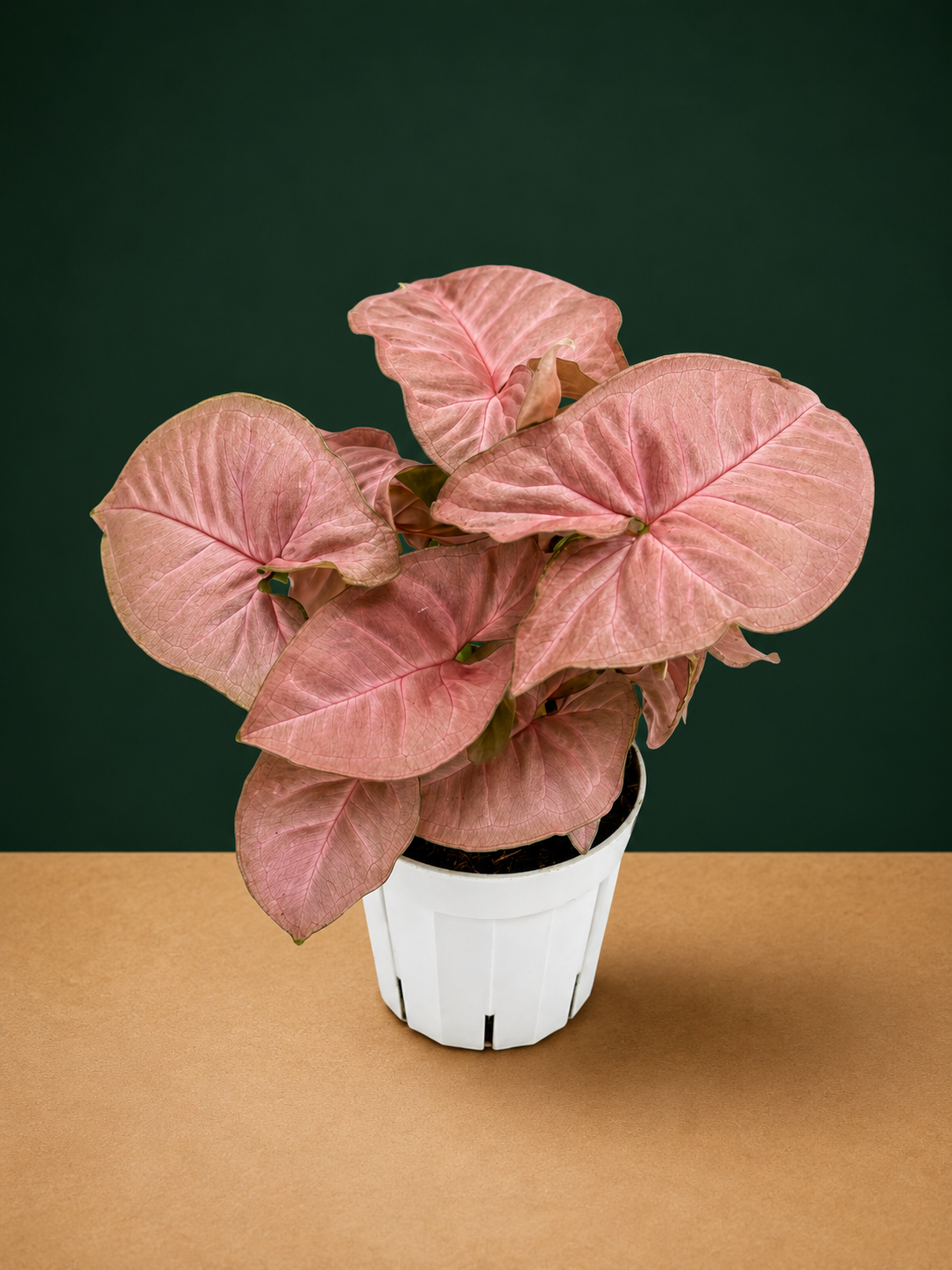
A crown jewel of the plant world, the Alocasia Black Velvet Pink Variegated (a mutation of the classic Alocasia reginula) is the ultimate centerpiece for rare plant collectors. This compact species features thick, heavy leaves with a deep, light-absorbing velvety texture that makes its dark charcoal-green color appear almost black. The addition of bright, abstract splashes of pink and cream creates an incredibly dramatic, high-end look. Because it grows slowly and remains compact, it is perfect for high-humidity plant cabinets, terrariums, or indoor shelves where its stunning texture can be admired up close.

Other Common Names

Pink Variegated Black Velvet
Alocasia reginula 'Pink Variegata'
Variegated Queen Alocasia
Rare Alocasia Black Velvet Pink Variegated

Care Details

Light

Provide plenty of bright, filtered indirect light. A spot near an east-facing window or set back a few feet from a south- or west-facing window protected by a sheer curtain is perfect. The pink areas of the leaves lack chlorophyll, meaning the plant relies on quality indirect light to photosynthesize and thrive.

Water

Water only when the top 50% of the soil has dried out. The thick, fleshy root system acts like a succulent, storing moisture to survive drier periods. Overwatering is the most common issue with velvet Alocasias; always ensure the pot has generous drainage and never let the base sit in stagnant water.

Humidity & Temperature

Keep humidity levels consistently high, ideally between 60% and 80%. Dry indoor air will cause the delicate pink variegation to turn crispy, brown, and paper-thin. Maintain warm temperatures between 65–85°F (18–30°C) and completely avoid placing the plant near drafts, heaters, or air vents.

Soil & Fertilizing

Plant in an ultra-chunky, fast-draining custom mix. A blend of 40% orchid bark, 25% perlite or pumice, 15% horticultural charcoal, and 20% coco coir or peat moss is ideal. Apply a highly diluted, balanced organic fertilizer monthly during the active spring and summer growing windows.

Propagation

This highly specialized cultivar is extremely sensitive to changes in its microclimate. When you first bring it home, place it in a highly stable, warm, and humid space (such as a greenhouse cabinet or under a clear humidity dome) for at least 2 to 3 weeks. Let it stabilize before considering repotting.

Re-potting

Alocasia Black Velvet is a slow grower and prefers to stay snug or slightly root-bound in its container. Only repot during early spring every 2 years, or when roots are actively escaping the bottom drainage holes. Move up only one pot size and use fresh, ultra-aerated media.

Avoid Pets

Pet Safety

This plant is toxic to pets due to calcium oxalate crystals. If chewed, it can cause severe mouth irritation, swelling of the tongue and lips, excessive drooling, and difficulty swallowing. Keep it safely out of reach of pets.

Native Region

While the wild parent species, Alocasia reginula, is native to the deeply shaded, limestone-rich rainforest floors of Sabah, Borneo, this rare, highly variegated pink cultivar is carefully propagated through micropropagation (tissue culture) and corm cultivation by specialized growers.

Fun Fact

The velvety texture of the 'Black Velvet' leaf is actually a sophisticated evolutionary adaptation. Under a microscope, the leaf surface is covered in tiny, dome-shaped epidermal cells that act like micro-lenses, gathering and focusing even the faintest glimmers of light in the dim rainforest understory!

Common Problems

Danger

Soft, Drooping Stems & Dropping Leaves

Cause: Severe overwatering or root rot

If leaves turn yellow and stems collapse while the soil is wet, root rot is likely active. Gently slip the plant out of its pot, prune away any mushy, brown roots, treat with diluted hydrogen peroxide, and repot into a fresh, bone-dry chunky mix.

Warning

Crispy, Paper-Thin Brown Edges on Pink Patches

Cause: Critically low humidity or sunburn

The pink, non-chlorophyllous sectors are extremely fragile. If exposed to dry air (below 50%) or harsh light, they will quickly scorch and dry out. Immediately increase humidity using a humidifier or move the plant into a glass terrarium enclosure.

Warning

Sudden Leaf Loss and Plant Going Dormant

Cause: Temperature drops, cold drafts, or winter cycle

If room temperatures dip below 55°F (13°C), your Alocasia may drop all its leaves and go dormant, retreating into its tuberous corm. If this happens, keep the soil barely moist (almost dry) and place the pot in a warm, bright spot until new shoots emerge in spring.

Info

Slow Growth and No New Leaves

Cause: Normal acclimation or focus on root/corm development

Velvet Alocasias grow at a slow, steady pace and can sometimes rest for weeks without pushing new growth, especially while adapting to a new space. As long as the existing leaves are firm, healthy, and colorful, the plant is doing well—patience is key.

Quick Tips

Things to know

01

Prioritize keeping humidity above 60% to protect the delicate bubblegum pink variegated leaf sectors from drying out.

02

Always let the top 2 inches of soil dry completely to prevent root rot; when in doubt, wait an extra day or two before watering.

03

Avoid wiping the velvet leaves with oily leaf shines or harsh soaps; use only a barely damp, soft microfiber cloth to gently dust them.

04
05

Guard against cold drafts from windows, doors, or air conditioning units, which can trigger premature winter dormancy.

06

Keep fertilizer doses weak and diluted—this slow-growing jewel has very modest feeding requirements and is easily burned by excess salts.


Rare & Collectible, Velvet Foliage, Compact Plant, Jewel Alocasia, Collector Plant, Colorful Foliage