Skip to content

Free Shipping On All Orders

Expert Care Guide with Every Plant

7-Day Undamaged Plant Guarantee

Pink Princess Philodendron

Tap any badge to learn more

About

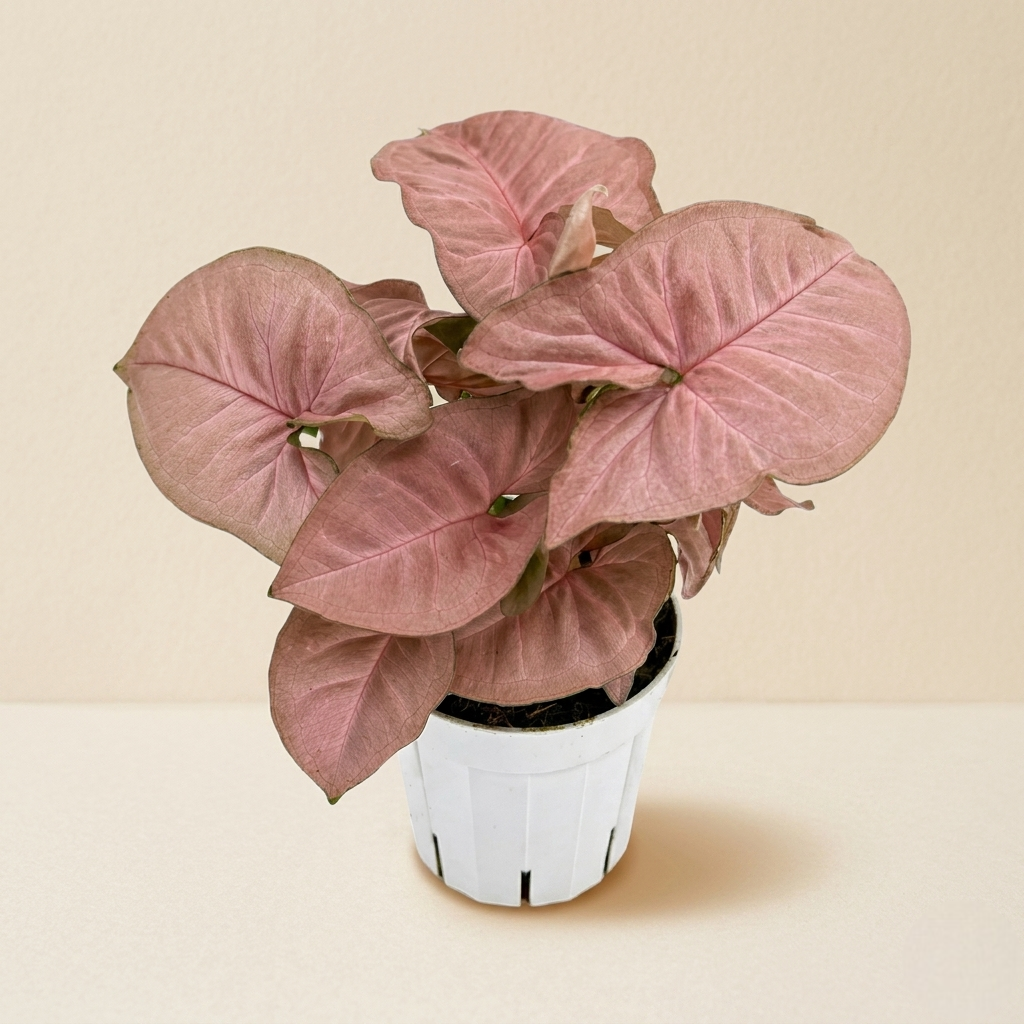
Pink Princess Philodendron Live Plant

A royal favorite in the houseplant world, the Pink Princess Philodendron is an exceptionally beautiful, climbing evergreen. Each glossy leaf is a unique canvas, displaying a striking mosaic of deep burgundy-black, forest green, and vivid pink. Because many of these collector plants start as delicate tissue culture specimens, they require a stable, humid environment to establish. As they mature and climb a moss pole or support, they will reward you with larger leaves and even bolder, more dramatic color splits.

Other Common Names

Pink Princess Philodendron
Philodendron erubescens 'Pink Princess'
Pink Princess Philodendron Live Plant
PPP

Care Details

Light

Provide ample bright, indirect light to encourage and maintain the vibrant pink variegation. The pink parts of the leaves lack chlorophyll and cannot photosynthesize, so the plant relies on its green sections. If light levels are too low, the plant will produce solid green leaves to survive. Avoid hot, direct sun, which will instantly crisp the delicate pink sections.

Water

Water thoroughly once the top 1 to 2 inches of soil have dried out. Let the water drain out of the pot's bottom holes completely, and always empty the runoff from the saucer. Overwatering is this plant's greatest enemy, so err on the side of underwatering if you are unsure.

Humidity & Temperature

Maintain an elevated humidity level between 50–70% to ensure smooth leaf unfurling and lush development. While established plants can tolerate average room levels (40%+), younger starter tissue specimens perform best in a humid greenhouse, cloche, or propagation cabinet. Keep the temperature consistently between 65–85°F (18–30°C) and guard against drafty windows, air vents, or drops below 55°F.

Soil & Fertilizing

Plant in a highly aerated, chunky soil mix. Blend a high-quality potting soil base with a generous amount of orchid bark and perlite to guarantee maximum airflow around the roots. Feed monthly during the active spring and summer growing windows with a balanced liquid foliage fertilizer diluted to half-strength.

Propagation

Easily propagated during the growing season via stem cuttings. Make a clean cut below a node containing visible aerial roots. Place the cutting in damp sphagnum moss or clean water, keeping it in a warm, highly humid area until a robust secondary root system develops before potting it into a chunky mix.

Re-potting

Repot every 1 to 2 years in early spring as the root system fills the container. Choose a pot that is only one size larger (1 to 2 inches wider) with plenty of drainage holes. Providing a sturdy moss pole at this stage will encourage the plant to produce larger, climbing leaves.

Avoid Pets

Pet Safety

This plant is toxic to pets. It contains insoluble calcium oxalate crystals that cause immediate oral burning, intense swelling of the tongue and lips, excessive drooling, and difficulty swallowing if chewed or ingested. Keep it styled securely on a high shelf or inside a closed plant cabinet.

Native Region

While the 'Pink Princess' is a cultivated variety, its parent species originates from the warm, humid tropical rainforests of Colombia.

Fun Fact

The pink variegation is highly unstable and chimeric. This means no two leaves will ever look the same, and your plant may occasionally push out a stunning "half-moon" leaf that is perfectly split down the middle with pink and dark green.

Common Problems

Danger

Yellowing Lower Leaves and Soft Stems

Cause: Overwatering and root rot

If leaves consistently turn yellow and drop off, or if the lower stems feel soft and soggy, the roots are suffocating from excess water. Inspect the root system immediately. Trim away any dark, mushy, or foul-smelling roots, and repot your Philodendron into a fresh, highly airy, chunkier aroid mix.

Warning

Brown, Crispy Patches on Pink Sections

Cause: Low humidity or light scorch

The bubblegum pink portions of the leaves contain no chlorophyll and are incredibly delicate. If they begin turning dry and brown, either your ambient humidity is too low (below 45%) or the plant is receiving too much direct light. Boost humidity levels and pull the plant further back from bright windows.

Info

New Leaves Emerging Solid Green

Cause: Insufficient light (reverting)

If new growth is small, leggy, or emerging almost entirely green, your plant is not receiving enough light to support its variegation. Slowly move your Philodendron to a brighter, filtered location. If the plant continues to grow solid green, you may need to prune it back to the last strongly variegated node to stimulate colorful new growth.

Warning

New Leaves Stuck and Ripping

Cause: Low humidity during unfurling

Because of their unique structure, new leaves can easily get caught inside their sheaths as they try to emerge. If your home is dry, the leaf may tear as it struggles to push out. Mist the emerging sheath gently with a warm spray or run a humidifier nearby to help it slide out safely.

Quick Tips

Things to know

01

Incorporate plenty of orchid bark and perlite into standard potting soil to ensure the roots receive excellent drainage and airflow.

02

Provide generous bright, indirect light to keep the iconic bubblegum pink variegation vivid and prevent the plant from reverting.

03

Maintain a humidity level of 50–70% to help new leaves slide cleanly out of their sheaths without ripping or getting stuck.

04

Water carefully, allowing the top 1 to 2 inches of soil to dry out completely between waterings to guard against root rot.

05

Wipe the glossy leaves regularly with a damp microfiber cloth to remove dust and inspect the leaf undersides for common pests.

06

Give specialized starter tissue specimens a few weeks of consistent warmth and high humidity to stabilize before expecting rapid leaf growth.


Rare & Collectible, Tissue Culture, Statement Foliage, Colorful & Bright, Intermediate