Skip to content

Free Shipping On All Orders

Expert Care Guide with Every Plant

7-Day Undamaged Plant Guarantee

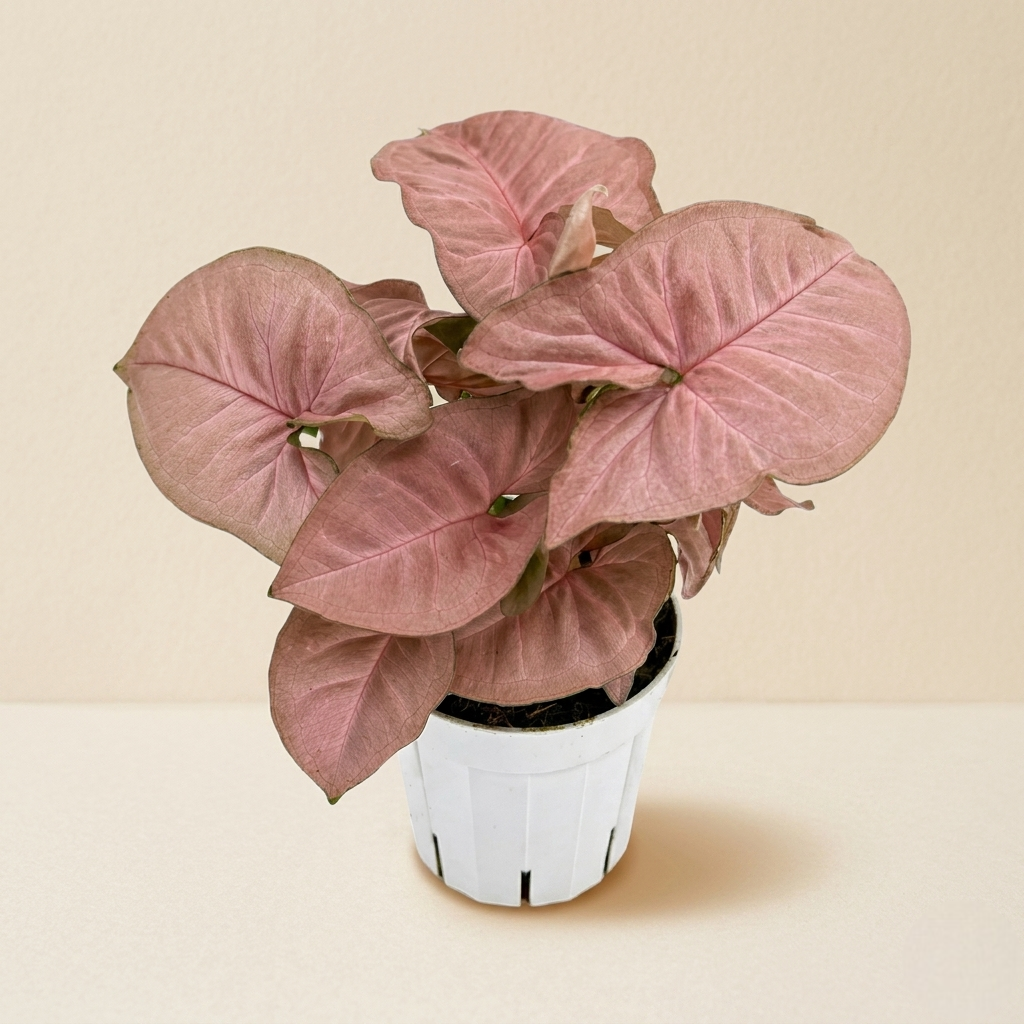
Philodendron Orange Princess Marble

Tap any badge to learn more

About

Philodendron Orange Princess Marble

The Philodendron Orange Princess Marble stands out as one of the most magnificent and dynamically colored cultivars in the entire modern aroid collecting world. Derived from the South American climbing lineage, this ultra-rare variety features elongated, heart-shaped leaves adorned with unpredictable splashes of bright apricot, coppery bronze, soft cream, and deep emerald green. Unlike its compact, self-heading relative known as the Prince of Orange, this true Princess features a vining habit that naturally scales upward to produce increasingly larger and more dramatic leaves. The mesmerizing marbling varies entirely from leaf to leaf, turning every single emerging growth point into an exciting reveal for collectors. Its rich, warm-toned variegation paired with highly glossy textures makes it an unparalleled living design statement piece for bright indoor spaces.

Other Common Names

Orange Princess Philodendron
Marbled Orange Princess
Climbing Prince of Orange
Variegated Orange Princess

Care Details

Light

To maintain the exquisite balance of fiery colors, place your plant in a location that receives ample bright indirect sunlight throughout the day. Positioning it roughly two to three feet away from a large east-facing window or a shaded south-facing window provides optimal ambient energy. Insufficient lighting conditions will cause the plant to drop its variegation levels, forcing new leaves to emerge in flat, muted green tones. You must protect the delicate apricot and cream sectors from any harsh midday sun rays, which will quickly parch the thin tissue and leave unsightly brown marks. Utilizing a premium LED grow light for twelve hours daily is highly effective if your natural indoor lighting is limited.

Water

Watering this rare cultivar requires a mindful approach centered around allowing the top half or upper two inches of soil to dry out between applications. When you verify the soil is dry, apply water thoroughly until it flows freely from the base drainage holes to ensure the entire root ball is rehydrated. This species is highly susceptible to root suffocation if the substrate is kept constantly soggy or waterlogged. Always empty any runoff water from the underlying saucer or cache pot within fifteen minutes to safeguard the fine root system. Adjust your watering cadence seasonally by cutting back frequency significantly during the darker winter months when growth naturally plateaus.

Humidity & Temperature

Providing a stable tropical climate with an ideal ambient humidity level between 55% and 70% encourages smooth, unblemished leaf emergence. When indoor humidity drops below 40%, the leaves can struggle to unfold cleanly from their protective sheaths and develop permanent structural tears. Maintain consistent indoor ambient temperatures between 65 and 85 degrees Fahrenheit (18 to 29 degrees Celsius) year-round. You must shield the delicate foliage from cold winter drafts, air conditioning paths, and heating registers that create dry air pockets. If temperatures drop below 60 degrees Fahrenheit (15 degrees Celsius), the plant will experience severe thermal shock and experience a dramatic slowdown in growth.

Soil & Fertilizing

This climbing epiphyte requires a hyper-porous, chunky aroid medium engineered to drain rapidly while retaining a light moisture buffer. A premium house mixture involves blending forty percent orchid bark, thirty percent premium coco coir, twenty percent coarse perlite, and ten percent horticultural charcoal. This structure ensures vital oxygen continuously reaches the roots while preventing harmful compacting over time. Feed your specimen once a month during the active spring and summer months using a balanced liquid houseplant fertilizer. Always dilute the liquid solution to half or quarter strength to prevent root burn and unwanted leaf edge crisps.

Propagation

Propagating this rare selection is achieved smoothly by taking stem cuttings that contain at least one healthy growth node and an aerial root. Use a sterilized, sharp blade to make a clean cut just below a node where the aerial roots emerge from the primary vine. Place the individual cutting directly into a vessel filled with damp sphagnum moss or clean water, ensuring the node is entirely submerged. Place the propagation setup in a warm spot under bright indirect light and maintain high humidity around the cutting using a clear plastic dome. Once the newly developed roots reach approximately two inches in length, carefully transition the juvenile plant into a small pot filled with chunky aroid mix.

Re-potting

Plan to repot your climbing specimen every one to two years during the early spring to refresh the structural organic nutrients. Select a new heavy pot that is only one inch larger than the current root ball, as over-potting retains excessive water around the sensitive core. Carefully guide the roots out of the old vessel, gently loosening the outer edges without causing unnecessary structural stress. Secure an organic moss pole or sturdy totem pole into the center of the new pot at this time to support its natural vining habit. Settle the fresh, airy substrate around the root system and water gently to anchor the plant securely.

Not Pet Safe

Pet Safety

This gorgeous collector plant is officially classified as toxic to both dogs and cats due to its chemical makeup. The leaf and stem cells contain micro-crystals of calcium oxalate which cause immediate physical pain when punctured. If a pet attempts to bite into the foliage, they will experience oral irritation, intense drooling, and swelling of the throat. Store this premium climbing vine safely on a high tier, or house it within an enclosed display case away from roaming domestic animals.

Native Region

While this specific marble selection is a highly prized modern cultivar bred under greenhouse conditions, its ancestral lineage traces back to the lush, humid tropical rainforest understories of Central and South America. In those native environments, the parent species climbs up tree trunks using sturdy aerial roots to escape the dense shade of the forest floor. This background explains its natural reliance on climbing supports, filtered light levels, and damp organic matter.

Fun Fact

The spectacular color evolution of this plant provides an incredible visual timeline as it grows. New variegated leaves emerge from their sheaths in intense shades of luminous peach and vivid orange before slowly softening into copper and warm bronze tones. As the foliage fully hardens off over several weeks, the background settles into a rich, dark emerald green while preserving the warm, contrasting orange marbled patterns forever.

Common Problems

Warning

Browning on Colored Marbled Patches

Cause: Leaf scorch or low humidity

If you spot dry, papery brown patches developing specifically on the orange, apricot, or cream areas of the foliage, the plant is likely suffering from sunburn or extremely dry air. The variegated tissue lacks protective green chlorophyll cells, making it highly sensitive to intense light and low moisture levels. This damage typically surfaces when the plant sits directly in a sunbeam or near a forced-air heating vent. To correct this issue, move the container further away from the window or install a sheer privacy curtain to scatter incoming rays. Boost the local humidity levels using a dedicated room humidifier to prevent further tissue collapse on upcoming leaves.


Danger

Yellowing Lower Leaves and Mushy Stems

Cause: Excess watering and root rot

When multiple leaves at the base of your vine turn a dull yellow hue while the primary stem sections feel soft or waterlogged, root rot is likely developing. This dangerous condition is a direct consequence of overwatering or using a heavy potting soil that seals out oxygen around the roots. Fungal pathogens multiply rapidly in these anaerobic environments, causing the roots to decay and fail. Stop watering immediately, remove any standing fluid from the saucer, and let the pot dry completely. If the yellowing spreads, unpot the plant to trim away black, mushy roots, and replant the surviving stems into a completely fresh, chunky aroid substrate.

Warning

Tiny Leaves and Long Leggy Stems

Cause: Insufficient indoor ambient light

If your plant begins producing very small leaves that sit far apart along an elongated, stretched vine, it is crying out for more light energy. This stretching behavior occurs because the plant is expending its energy to grow toward the closest available light source to survive. Along with the leggy growth, you will notice the vibrant orange and apricot marbling starting to disappear on new leaves. To resolve this problem, move your specimen to a significantly brighter room or position it closer to a bright, unfiltered window. If natural options are limited, place a full-spectrum grow light twelve inches above the top foliage to restore compact node spacing.

Info

Deformed Leaves Stuck in Sheaths

Cause: Low humidity during emergence

When a new leaf struggles to break free from its protective cataphyll sheath and emerges twisted, crimped, or physically torn, the surrounding air is too dry. Moisture acts as a natural lubricant that allows the delicate, tightly furled leaf to slide out smoothly as it expands. Without adequate ambient moisture, the tissue binds up inside the dry sheath and tears itself apart under its own growth pressure. To fix this ongoing issue, increase the relative humidity around the plant to a minimum of sixty percent using a pebble tray or humidifier. You can also gently mist a stuck leaf sheath with warm water to help it release smoothly without manual forcing.

Quick Tips

Things to know

01

Secure your climbing vine tightly to a damp moss pole using soft plant ties to encourage the development of larger, more intelligent mature leaves over time.

02

Wipe down the glossy leaves with a soft, damp microfiber cloth every two weeks to remove household dust and improve overall light absorption.

03

Avoid the temptation to repot this collector plant immediately after purchase, allowing it at least four weeks to adjust to your home environment first.

04

Always use water that has reached room temperature to prevent shocking the sensitive root system and triggering sudden lower leaf drop.

05

Prune back leggy growth points during the early spring to promote a bushier habit and stimulate multiple new variegated shoots along the vine.

06

Regularly inspect the tight crevices where leaves join the stem for fuzzy white mealybugs that love to hide in rare aroids.


philodendron orange princess, rare aroids, collector houseplant, variegated philodendron, premium plant care