Skip to content

Free Shipping On All Orders

Expert Care Guide with Every Plant

7-Day Undamaged Plant Guarantee

Philodendron Birken

Tap any badge to learn more

About

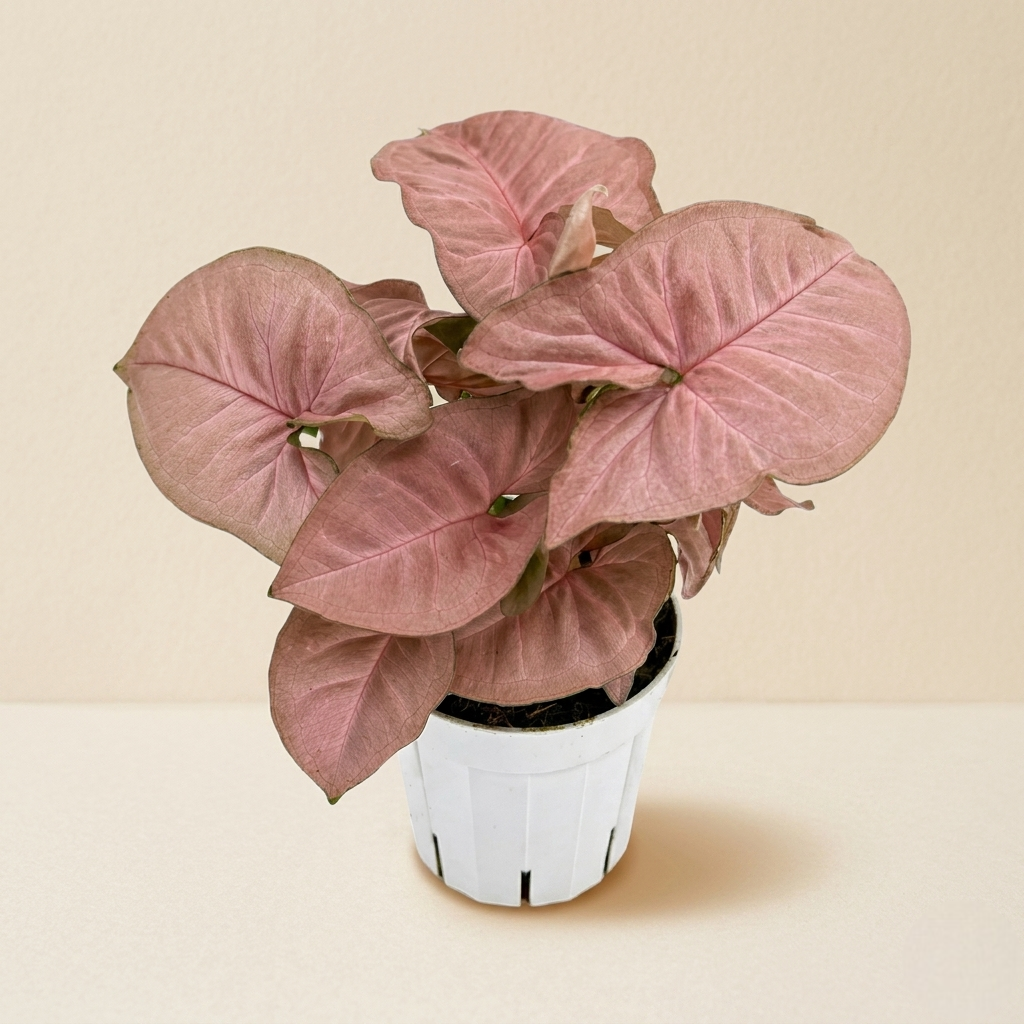
Philodendron Birken Live Plant

The Philodendron Birkin is an elegant, highly coveted houseplant celebrated for its striking, graphic foliage. Unlike many climbing philodendrons, the Birkin is a "self-heading" cultivar, meaning it grows in a neat, compact, upright rosette structure rather than trailing down or requiring a moss pole. Each thick, glossy leaf emerges with dramatic cream-white pinstripes that contrast beautifully against a deep forest-green base. Because it grows at a measured, manageable pace, it serves as a premium, low-maintenance statement piece perfectly tailored for modern desks, tabletops, and compact design spaces.

Other Common Names

Philodendron Birkin
Birkin Plant
Philodendron Birken Live Plant
Pinstripe Philodendron

Care Details

Light

Bright, indirect light is ideal for keeping your Philodendron Birkin vibrant and healthy. This abundant ambient light provides the energy needed to produce its signature variegated patterns. Keep the plant completely away from harsh, direct midday sun to prevent permanent leaf scorching and bleached spots. While it can survive in medium indirect light, insufficient light exposure will cause new leaves to emerge solid green, losing their iconic pinstripes.

Water

Watering is simple: allow the top 1–2 inches of soil to dry down cleanly before thoroughly saturating the medium again. Unlike Alocasias, which prefer slightly more consistent moisture throughout the root zone, Philodendrons appreciate breathing room between waterings. When it is time to water, pour evenly until liquid flows from the base drainage holes, then empty the collection saucer to prevent standing water. Reduce your watering runs during the late fall and winter months.

Humidity & Temperature

The Birkin is highly adaptable to typical home and office climates. Maintain a 50–70% humidity range for rare or highly variegated variants to encourage flawless leaf unfurling; however, standard 40%+ home humidity baselines work perfectly for standard options. Keep the indoor climate warm and stable, between 65–85°F (18–30°C). Guard the plant against severe window drafts, chilly air conditioning streams, or temperature drops below 55°F (13°C).

Soil & Fertilizing

To prevent compacted, suffocating roots, it is highly recommended to build a loose, ultra-chunky potting environment. Incorporate orchid bark and perlite into a standard premium potting soil base to optimize internal airflow and rapid moisture drainage. For nourishment, apply a balanced liquid formulation monthly during active spring and summer windows. Pause all fertilizer entirely during the winter when the plant enters its natural resting phase.

Propagation

While the self-heading growth habit makes propagation slightly slower than trailing varieties, the Birkin can be propagated via stem cuttings or by separating mature offsets. If your plant produces small "pups" or offsets at the base, carefully separate them during spring repotting, ensuring they have independent root structures, and pot them into a fresh, aerated soil mixture.

Re-potting

Repot your Birkin every 1 to 2 years in the spring to refresh its soil nutrients and offer a bit more growing space. Always upgrade to a container that is only 1 to 2 inches larger in diameter than the previous pot, and verify that the new container has adequate bottom drainage holes to protect the root network.

Avoid Pets

Pet Safety

Please exercise caution: the Philodendron Birkin is toxic to pets. Its tissues contain insoluble calcium oxalate crystals that can cause intense oral irritation, swelling, and digestive discomfort if chewed or ingested. Always avoid pets by placing this plant safely up on elevated shelves, wall mounts, or plant stands.

Native Region

The Birkin does not exist in the wild; it is a rare, cultivated hybrid mutation discovered in a nursery setting, derived from the tropical Philodendron rojo congo, which traces its lineage to the lush rainforests of South America.

Fun Fact

The Philodendron Birkin is a spontaneous chimeric mutation. Because its variegation is unstable, a single plant can sometimes produce wildly unpredictable foliage—including leaves that are half-cream, leaves splashed with pink, or leaves that completely revert back to the solid red-burgundy of its ancestor, the Rojo Congo!

Common Problems

Danger

Yellowing Lower Leaves and Soft, Mushy Stems

Cause: Overwatering and root suffocation

If the lower foliage consistently turns yellow, drops off, or if the main base stems feel soft and tender, the soil is retaining water for too long. Root rot sets in quickly when the soil lacks oxygen. Stop watering immediately, trim away any decaying structural elements, and let the soil dry out. Consider upgrading your mix with more orchid bark and perlite to fix the drainage profile.

Warning

New Leaves Emerging Small and Solid Green

Cause: Insufficient light levels causing reversion

If your Birkin is producing new growth that is entirely dark green with absolutely no white pinstripes, it is trapped in a low-light environment. The plant increases its chlorophyll production to capture more light, sacrificing its variegation. Relocate your plant to a brighter spot filled with strong, indirect ambient light to encourage future pinstriped leaves to unfold.

Warning

New Leaves Stuck, Tearing, or Deformed

Cause: Low ambient indoor humidity

When indoor air gets overly dry, new Birkin leaves can struggle to slide out of their protective sheaths, causing them to get stuck, warp, or tear as they force their way open. If you see leaves struggling to unfurl cleanly, boost the localized humidity around the plant above 50% using a humidifier or a nearby water tray to ease the emergence process.

Info

Pale, Bleached Leaf Patches or Crisp Brown Edges

Cause: Direct scorching sunlight exposure

If the beautiful variegated surfaces develop dry, white, or light brown paper-thin patches, the plant is getting struck by direct sun rays. Intense sunlight cooks the delicate, variegated tissues easily. Move your Philodendron back from the window glass or use a sheer curtain to diffuse the light, ensuring it receives only bright, ambient indirect illumination.

Quick Tips

Things to know

01

Wipe the glossy leaves with a damp microfiber cloth regularly to dust and keep the variegation looking crisp, clean, and vibrant.

02

Allow the top 1–2 inches of soil to dry out thoroughly before watering again to preserve a healthy, oxygen-rich root system.

03

Always incorporate orchid bark and perlite into a standard potting base to guarantee optimal airflow and prevent water retention.

04

Keep the plant styled safely away from curious cats and dogs, as its foliage is toxic and can cause severe oral irritation.

05

Position your Birkin in bright, indirect light; avoiding dim rooms prevents the unique pinstripe patterns from reverting to solid green.

06

Check leaf undersides and tight stem crevices regularly for common household pests like spider mites or mealybugs during your dusting routine.


Easy Care, Air Purifying, Statement Foliage, Desk Plant, Contemporary Style