Skip to content

Free Shipping On All Orders

Expert Care Guide with Every Plant

7-Day Undamaged Plant Guarantee

Peperomia Marble

Tap any badge to learn more

About

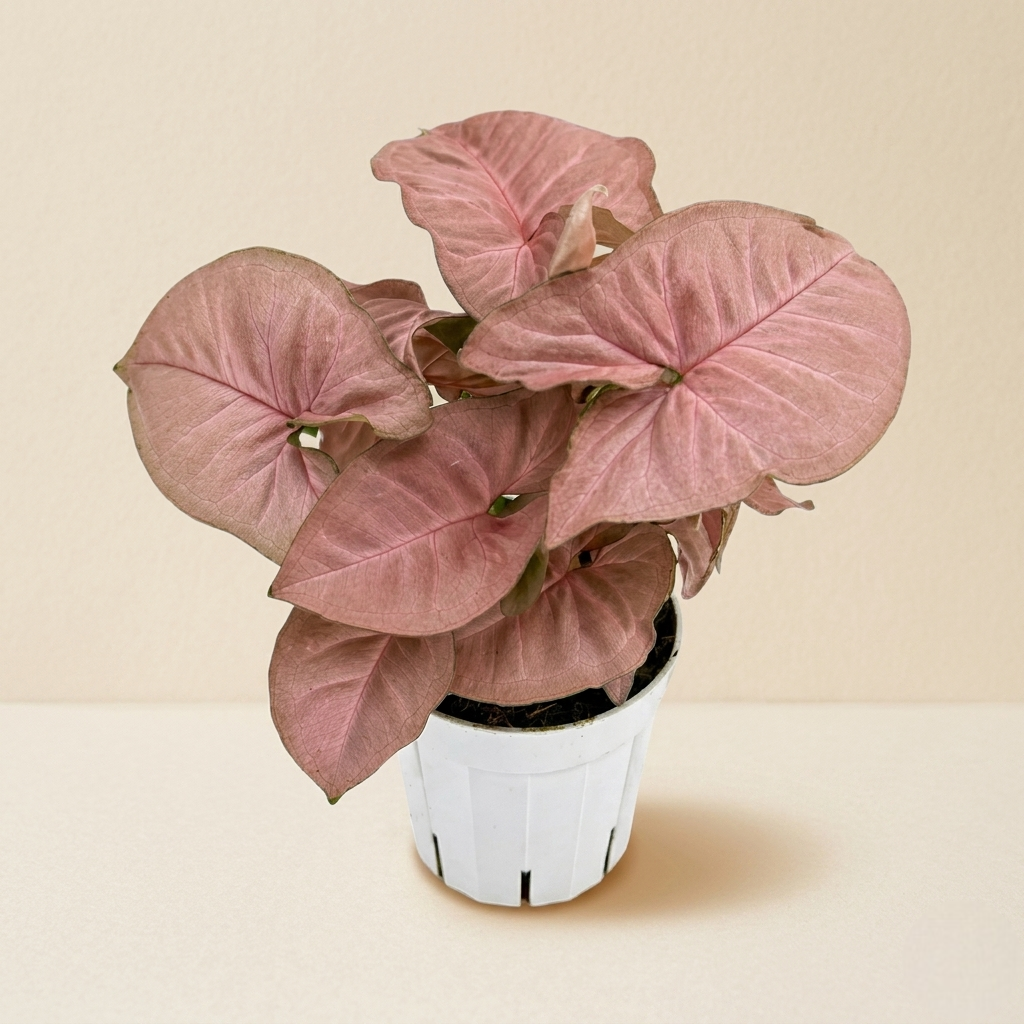
Peperomia Marble Live Plant

Commonly referred to as the Baby Rubber Plant, the Peperomia Marble is a delightfully compact and highly ornamental houseplant native to the tropical rainforests of South America. It is beloved for its thick, shiny, spoon-shaped leaves that display a beautiful marbled tapestry of creamy-white, pale yellow, and emerald green. Because of its sturdy, semi-succulent nature, this plant is exceptionally forgiving and slow-growing. It makes a stellar accent piece for minimalist desks, compact office shelves, or bright countertops where you want an eye-catching, low-maintenance pop of foliage.

Other Common Names

Peperomia obtusifolia 'Marble'
Marbled Pepper Face
Radiator Plant
Variegated Baby Rubber Plant

Care Details

Light

The Peperomia Marble prefers solid indirect positions where it can soak up plenty of bright, filtered ambient light. This generous light level is crucial for maintaining the vivid, high-contrast cream-and-green variegation on its thick leaves. Remarkably versatile, this hardy plant also adapts elegantly to office utility fluorescent configurations, allowing it to thrive in commercial workspaces, cubicles, and darker rooms. Avoid placing it in direct, harsh sun, which can scorch its tender foliage and fade the beautiful marbled patterns.

Water

Treat this plant similarly to succulents and be careful not to overwater. Allow the top half of the potting medium to dry cleanly before repeating your watering runs. The plant's unique leaf thickness stores moisture reserves safely, making it highly drought-tolerant and forgiving of occasional forgetfulness. When you do water, saturate the soil thoroughly until water drains from the bottom holes, then empty the tray. In the winter months, reduce watering frequency even further.

Humidity & Temperature

Soil & Fertilizing

To prevent soggy roots and standing water, it is highly recommended to supplement your base potting medium with 30% additional perlite drainage. This ensures an ultra-airy, fast-draining soil mix that matches the plant's natural epiphytic growing habits. As a low-maintenance plant, its nutrient demands are very minimal. Simply supply basic organic liquid nutrients twice per year—once at the start of spring and once in mid-summer—to maintain steady, healthy cellular structure.

Propagation

The Peperomia Marble propagates effortlessly via clean leaf or stem cuttings. Because the fragile structural stems snap easily under weight, any accidental breaks can be turned into new plants! Simply place a stem or leaf cutting into a moist peat-perlite mix or water. Keep it in a warm, bright room, and new roots will sprout in a few short weeks.

Re-potting

Peperomia has a small, shallow root system and actually prefers staying slightly root-bound. Plan to repot only every 2 to 3 years in the spring, shifting to a pot that is only one size larger than the current container. Always use a pot with proper drainage holes to prevent excess water from pooling.

Pet Friendly

Pet Safety

Completely safe and non-toxic, the Peperomia Marble is 100% pet-friendly. It poses zero chemical risk of irritation or poisoning to curious cats and dogs, allowing you to style it freely on any low table, office desk, or shelf without worry.

Native Region

Peperomia obtusifolia is native to the warm, tropical rainforest understories of Florida, Mexico, the Caribbean, and northern South America, where it grows primarily as an epiphyte on rotting wood and damp forest floors.

Fun Fact

The genus name "Peperomia" literally translates to "resembling pepper," as these plants are close botanical cousins to the vines that produce culinary black pepper (Piper nigrum). When they bloom, they produce unique, upright green spikes that resemble tiny, textured rat-tails!

Common Problems

Danger

Mushy Stems and Yellowing Leaves

Cause: Overwatering and soggy soil

If the stems turn translucent and mushy near the base, or if lower leaves turn yellow and drop off easily, the plant is getting too much water. Fleshy Peperomia roots rot quickly in saturated, heavy soil. Immediately halt watering, let the soil dry out completely, and trim away any dark, mushy roots. Repot the plant into a fresh, well-draining soil mix fortified with plenty of perlite.

Warning

Fading Marbled Variegation (Leaves Turning Solid Green)

Cause: Insufficient light exposure

If newly developing leaves look solid green and lack the beautiful cream-and-yellow marbling, the plant is sitting in a spot that is too dark. It produces more chlorophyll to compensate for the low light. Move your Peperomia to a brighter location with plenty of strong, indirect light to encourage its signature high-contrast marbled foliage to return.

Warning

Broken Stems and Snapped Branches

Cause: Fragile structural stems snapping under weight

The succulent-like, water-filled stems of the Peperomia Marble are surprisingly brittle and snap easily under physical pressure, heavy handling, or accidental impact. Take extra care when dusting or moving the plant. If a stem does snap, trim it cleanly and insert the broken piece into moist soil to propagate a brand-new plant.

Info

Dull, Dusty Foliage

Cause: Household dust buildup on glossy leaf surfaces

Because of its broad, flat, shiny leaves, the Peperomia Marble can accumulate a layer of household dust over time. This dust blocks sunlight and reduces the plant's ability to photosynthesize. Gently wipe the structural foliage faces clear of residential dust layers with a soft, damp cloth occasionally to restore its glossy, light-reflective sheen.

Quick Tips

Things to know

01

Treat your Peperomia like a succulent: let the top half of the soil dry out cleanly before watering to prevent root decay.

02

Provide bright, filtered indirect light to preserve the vibrant marbled variegation, though it can easily adapt to office fluorescent bulbs.

03

Highly recommend supplementing your base soil medium with 30% additional perlite to guarantee quick drainage and healthy roots.

04

Be gentle when handling the plant, as its fragile structural stems snap easily under physical pressure or weight.

05

Supply basic organic liquid nutrients only twice per year, as this compact beauty requires minimal feeding to thrive.

06

Wipe structural foliage faces clear of residential dust layers with a damp cloth to keep leaves glossy, healthy, and photosynthesizing well.


Pet Friendly, Easy Care, Low Light Tolerant, Desk Plant, Statement Foliage