Skip to content

Free Shipping On All Orders

Expert Care Guide with Every Plant

7-Day Undamaged Plant Guarantee

Large Ficus Ruby

Tap any badge to learn more

About

Large Ficus Ruby Live Plant

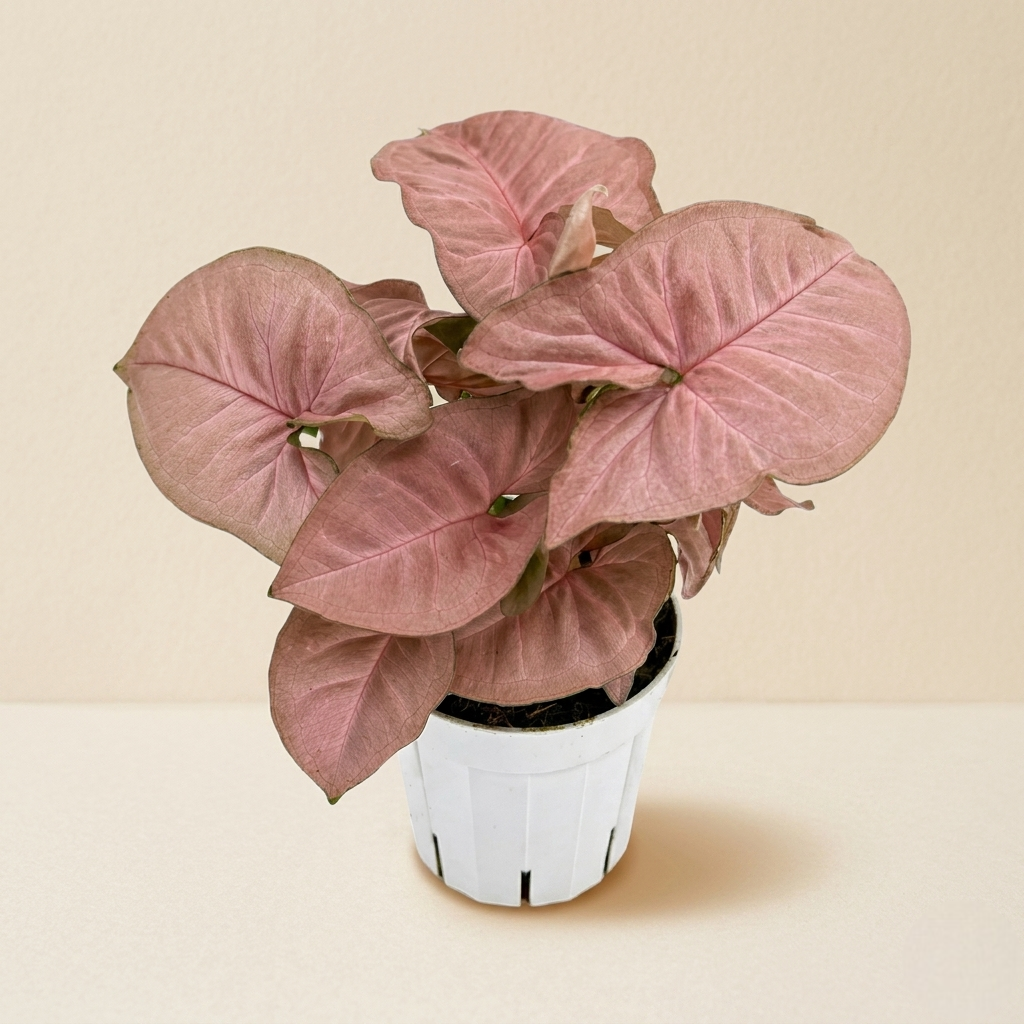
The Large Ficus Ruby, famously known as the Variegated Pink & Green Floor Ficus, is a breathtaking structural masterpiece designed by nature to command attention. Originating from the lush, tropical rainforest settings of Asia, this vibrant cultivar of the classic Rubber Tree is celebrated for its oversized, glossy, oblong leaves. Each leaf acts as a living canvas, blending deep greens and soft creams with an overlay of rich pink and ruby hues that saturate the new growth. Growing as an upright, tree-like column, it makes a phenomenal statement piece for bright corners, empty living room alcoves, or modern office spaces. Beyond its unmatched aesthetic appeal, the Ficus Ruby is a highly efficient air-purifying powerhouse, actively filtering out common household toxins while adding high-end tropical energy to your interior design.

Other Common Names

Ruby Rubber Plant
Variegated Rubber Tree
Pink Rubber Tree
Ficus Elastica Ruby

Care Details

Light

To keep the gorgeous pink and cream variegation looking its absolute best, place your Ficus Ruby in a spot that receives plenty of bright, indirect sunlight. Unlike many delicate houseplants, Ficus varieties can easily accept direct early morning sun intervals, which actually helps intensify the rosy pigments in the leaves. However, you should shield it from harsh, intense afternoon sun rays, which can scorch the beautiful variegated margins. If placed in a low-light area, the plant will react by dropping its lower leaves, slowing its growth, and reverting to a plain green color as it loses its signature pink glow.

Water

Getting the watering right is mostly a matter of patience. Allow the top two inches of the surface soil to dry out completely before repeating your watering runs. When it is time to hydrate, pour water thoroughly and evenly across the soil surface until it drains freely from the bottom holes. Always ensure you empty the collection tray right away; letting the roots sit in stagnant water is a fast track to root rot. During the cooler winter months, the plant's metabolic activity slows down significantly, so you will need to reduce the frequency of your watering runs accordingly.

Humidity & Temperature

While many tropical plants demand greenhouse-like conditions, a standard 40% baseline humidity satisfies the basic needs of the Ficus Ruby perfectly. However, maintaining consistent tracking of moisture levels and avoiding extreme dryness will ensure it keeps a full leaf count. Keep the environment set to standard comfortable indoor temperatures between 65°F and 80°F (18–27°C). It is highly sensitive to sudden thermal shocks, so make sure to position it well away from active HVAC cooling vents, drafty windows, or radiators, as sudden temperature fluctuations will trigger rapid leaf drop.

Soil & Fertilizing

This plant requires a loose, loamy structural composition enhanced with fine aggregate sand or perlite pieces to maximize aeration and ensure rapid drainage. A heavy, clay-based soil will hold onto moisture for too long and suffocate the roots. To fuel its upward growth, incorporate standard liquid houseplant nutrients monthly into your routine from early spring through late summer. Stop all supplemental feeding completely during the fall and winter months when the plant enters its natural rest period and isn't actively producing new foliage.

Propagation

Propagating a Ficus Ruby is most successful using stem cuttings or air layering during the active spring growth window. If taking a stem cutting, select a healthy tip with at least three to four leaves and cut cleanly just below a leaf node. Be prepared for the characteristic sticky, milky sap to ooze from the cut; simply wipe it with a damp cloth or dip the end in water to seal it. Let the cutting callouse for a day, apply rooting hormone to the node, and plant it in a damp, lightweight perlite and peat mix. Keep the cutting warm and in bright indirect light until an established root system forms.

Re-potting

Plan to repot your floor Ficus every 18 to 24 months during the spring to give the expanding root system more breathing room and refresh the nutrients in the soil. Choose a new container that is roughly 2 to 3 inches larger in diameter than its current one, ensuring it features ample drainage holes. Carefully slide the root ball out, gently tease any tightly bound roots around the base, and center it in the new pot while packing fresh, sandy loam mix around the sides. If you want to limit its height as a floor plant, you can keep it in the same size pot and simply refresh the top few inches of soil annually.

Avoid Pets

Pet Safety

The Ficus Ruby must be kept clear of pets. The thick leaves and stems contain a dense, milky latex sap containing ficin and psoralen, which are highly irritating to the skin, eyes, and gastrointestinal tracts of cats and dogs. If a curious pet bites into the foliage, the sap can cause oral irritation, excessive drooping, vomiting, or skin redness. It is highly recommended to display this large specimen on a raised plant stand or inside a dedicated, pet-free zone to ensure your animals stay safe and the pristine foliage remains undamaged.

Native Region

The Ficus elastica species is natively indigenous to the tropical, rain-drenched regions of Asia, spanning across parts of India, Nepal, Bhutan, Myanmar, Malaysia, and Indonesia. In these natural habitats, they grow into massive, towering banyan-style trees with extensive aerial root systems. The 'Ruby' cultivar brings a highly stylized, colorful variation of these hardy jungle giants directly into indoor living environments.

Fun Fact

The spectacular pink coloration on the Ficus Ruby is actually a form of partial inherited variegation where certain cell zones lack chlorophyll. The red and pink tones you see are caused by anthocyanins—the same natural pigments found in autumn leaves and berries. These pigments act like a natural built-in sunscreen, helping to protect the delicate, chlorophyll-deficient parts of the young, unfolding leaves from being damaged by bright sunlight.

Common Problems

Danger

Massive Lower Leaf Drop

Cause: Overwatering or sudden drafts

If your Ficus suddenly sheds several healthy-looking lower leaves over the span of a few days, it is usually a distress signal caused by overwatering or a sudden environmental shock. Saturated soil cuts off the oxygen supply to the roots, causing them to fail. Alternatively, placing the plant directly in the path of a cold window breeze or an active HVAC cooling vent will cause the same reaction. Immediately check the soil moisture, hold off on watering runs until the soil dries out well down into the pot, and move the plant to a shielded, warm location.

Warning

Fading Pink and Loss of Variegation

Cause: Insufficient ambient light levels

When the brilliant ruby-pink tones begin to fade away and the new leaves emerge looking mostly solid green or muddy white, your plant is not receiving enough light. Without sufficient bright indirect light, the plant is forced to maximize its chlorophyll production to survive, causing it to lose its striking variegation. To fix this, gradually transition your Ficus to a much brighter room or position it closer to a window that receives gentle early morning sun to stimulate the return of those rich, rosy hues.

Warning

Brown, Crispy Spots on Cream Margins

Cause: Sunburn or extreme low humidity

If you notice dry, paper-like brown patches developing specifically on the lighter, cream-colored parts of the leaves, the foliage is likely experiencing sunburn from intense afternoon sun exposure, or suffering from extremely dry air. The variegated parts of the leaf are thinner and much more vulnerable to drying out or burning. Move the plant slightly backward from the window pane or use a sheer curtain to diffuse the intense daylight, and make sure you are maintaining a proper baseline environment away from drying heating elements.

Info

Sticky White Sap on Stems

Cause: Natural response to minor physical damage

Finding small drops of sticky, milky white sap drying on the stems or leaf joints can look alarming, but it is typically just the plant's natural healing response to minor physical contact, scraping, or insect activity. This latex sap acts like a protective scab to seal off internal tissues. Simply wipe the area clear using a damp cloth to keep the structural Ficus foliage faces looking immaculate, and wash your hands immediately after to prevent any skin irritation from the sap.

Quick Tips

Things to know

01

Regularly wipe the structural Ficus foliage faces entirely clear of residential dust layers with a damp cloth to allow optimal light processing.

02

Rotate the plant a quarter turn every two weeks to ensure even light exposure and prevent the trunk from leaning awkwardly toward the glass.

03

Always wear gardening gloves when pruning or propagating this species to protect your skin from the sticky, irritating milky sap.

04

If the main stem becomes too top-heavy as it grows into a tall floor piece, secure it loosely to a sturdy bamboo or moss pole for support.

05

Never allow the pot to sit in the excess water that drains into the saucer; always dump it out within 15 minutes of a watering run.

06

Avoid moving the plant around your home frequently once you find a spot where it thrives, as Ficus varieties dislike environmental changes.


Variegated Ficus, Floor Plants, Ficus Ruby, Air Purifying, Statement Tree