Skip to content

Free Shipping On All Orders

Expert Care Guide with Every Plant

7-Day Undamaged Plant Guarantee

Large Calathea Dottie

Tap any badge to learn more

About

Calathea Dottie Live Plant

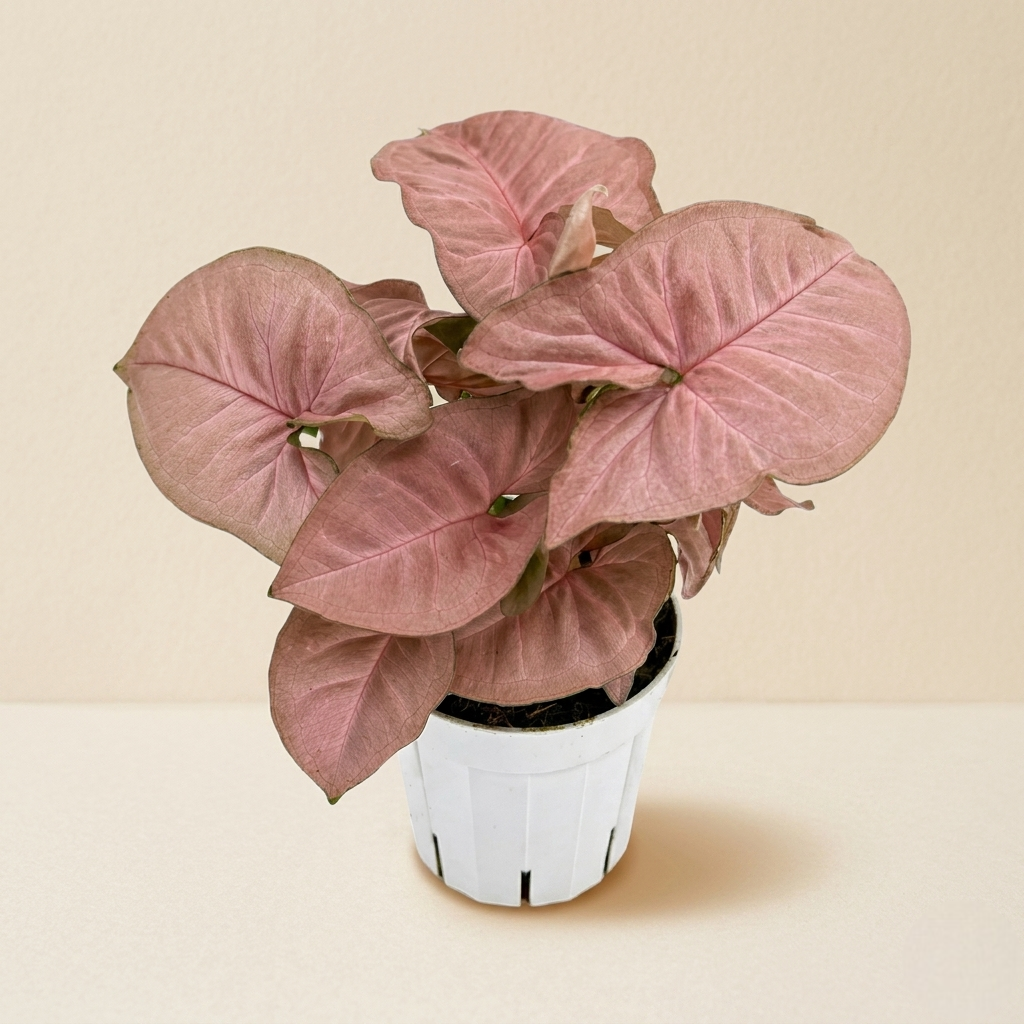
The Large Calathea Dottie, widely celebrated as the Oversized Dark Pink Statement Calathea, is a bold and dramatic cultivar famous for its moody, high-contrast coloring. Natively derived from the warm, sheltered forest understories of the Brazilian tropical rainforest, this specimen features large, rounded leaves that exhibit a deep, near-black olive-green hue. Each glossy blade is beautifully traced by a vivid, electric fuchsia-pink ring that follows the organic leaf silhouette, centered by a matching pink midrib. As a prominent member of the prayer-plant family, the Dottie brings dynamic movement to an interior by raising its leaves vertically into a prayer position at night and expanding them during the day. Its oversized presentation serves as an instant premium centerpiece for contemporary living spaces and low-light offices alike. Beyond its exceptional cosmetic allure, this tropical perennial functions naturally to purify indoor air, providing clean air alongside high-end design.

Other Common Names

Rose-Painted Calathea Dottie
Goeppertia Roseopicta Dottie
Pink Indicator Plant
Calathea Dottie

Care Details

Light

To preserve the rich, high-contrast leaf graphics of your plant, position it in a spot that receives medium to bright indirect sunlight. Harsh, direct sun exposure must be strictly avoided as it will easily bleach the delicate dark pigments and permanently scorch the foliage. While it can adapt to lower light settings comfortably, prolonged darkness will slow its growth and cause the signature pink rings to fade out over time. An ideal location is a few feet away from an east- or west-facing window where the light remains bright but completely filtered. Using a sheer curtain to diffuse intense daylight works wonderfully to protect the broad leaves.

Water

Maintaining an evenly damp potting medium is the absolute key to success with this moisture-loving tropical plant. Check the soil frequently and water thoroughly whenever the top half-inch of the substrate begins to feel dry to the touch. You must use distilled, filtered, or rainwater because this species is highly sensitive to the chlorine, fluoride, and hard minerals found in standard tap water. Pour water slowly and evenly until it streams from the bottom drainage holes, and always empty the collection tray immediately after. Never allow the container to sit in stagnant water, as soggy conditions quickly induce root suffocation.

Humidity & Temperature

This rainforest native demands elevated atmospheric moisture and performs best when relative humidity levels stay at 60% or higher. Utilizing close-proximity humidifiers, placing the pot on a wet pebble tray, or grouping it closely with other tropical plants will keep the leaf edges pristine. Maintain indoor temperatures consistently between 65°F and 80°F throughout the year. It is absolutely vital to prevent proximity to active HVAC cooling vents, drafty entryways, or heating systems, as sudden temperature fluctuations will shock the foliage. Never let the room drop below 55°F to ensure the cells do not suffer permanent chilling damage.

Soil & Fertilizing

Plant this large specimen in peat-rich structural blends engineered specifically to hold clean moisture safely without clogging or compacting. An ideal mix incorporates high-quality peat moss or coco coir amended with generous amounts of perlite and orchid bark to allow smooth drainage and root respiration. During the active spring and summer growth cycles, apply a clean, standard liquid houseplant fertilizer once a month. Be sure to dilute the formulation to half-strength to protect the delicate, fiber-like root system from chemical burns. Cease all supplemental feeding entirely during the fall and winter months when the plant enters its natural resting phase.

Propagation

Propagation is best accomplished through the method of root division during the active spring repotting season. Carefully remove the mature plant from its container and gently brush away the structural soil to reveal the underground root clumps and rhizomes. Identify natural clusters that possess an established, independent root system and at least two or three healthy, intact leaf stems. Gently tease the roots apart by hand or separate them cleanly using a sterilized pruning knife. Pot each new division immediately into a smaller container filled with fresh, damp, well-draining potting soil, and maintain high humidity under a clear plastic cover until new growth establishes.

Re-potting

Due to its oversized growth habit, plan to repot your plant every 12 to 18 months during the spring to refresh the nutrient-depleted soil. Always upgrade to a new container that is only 1 to 2 inches larger in diameter than the current one, and verify it features functional drainage holes. Gently untangle the outer edges of the root ball before centering it in the new vessel and filling the gaps with fresh substrate. Avoid choosing an oversized pot, as excess soil volume retains surplus water that can easily suffocate the roots. Water the newly potted plant thoroughly to settle the potting medium and alleviate transplant shock.

Pet Safe

Pet Safety

The Calathea Dottie is entirely pet-friendly and non-toxic, providing total peace of mind for households with curious dogs and cats. It contains no harmful chemical compounds or calcium oxalate crystals, meaning it causes no injury if a leaf is accidentally nibbled. However, due to its delicate, premium foliage, it is still best to place it on a stable stand or table out of reach of playful pets. This ensures its striking, oversized leaf graphics remain unmarred by scratching or biting.

Native Region

The ancestral roots of the Calathea Dottie trace back to the deeply shaded forest floors of the Brazilian tropical rainforests. In this native habitat, it lives nestled beneath a massive, dense tree canopy that provides constant shade, high humidity, and warm temperatures. Simulating these sheltered understory conditions inside your home is the ultimate secret to unlocking its lush growth and maintaining the vividness of its pink rings.

Fun Fact

The mesmerizing daily movement of this plant is governed by a specialized organ located at the base of each leaf blade called a pulvinus. This cellular joint acts like a hydraulic pump, altering its interior water pressure to lift the leaves up into a prayer position at night and lower them during the day. This fascinating evolutionary adaptation allows the plant to catch low-angle light rays on the dark jungle floor while preventing tropical rain from pooling heavily on the leaves overnight.

Common Problems

Warning

Crispy Brown Outer Edges

Cause: Low humidity or tap water

When the large, dark leaves develop dry, brittle, brown borders, it is usually a clear sign of low ambient humidity or a negative reaction to tap water. This species is highly sensitive to the chlorine, chloramine, and heavy minerals found in standard municipal tap water lines. Furthermore, if your indoor air humidity drops below the crucial 50% mark, the edges will evaporate moisture too quickly and crisp up. To fix this issue, immediately switch to using distilled or rainwater and elevate the localized humidity levels using a close-proximity humidifier or pebble tray.

Danger

Yellowing Foliage and Soft Bases

Cause: Overwatering and root suffocation

If the lower leaves turn a pale, uniform yellow color and the base of the stems feels soft or mushy, you are likely overwatering the plant. Saturated soil conditions deplete the oxygen supply within the root zone, causing the roots to rot away and preventing them from absorbing water. Stop all watering immediately and ensure the pot's drainage holes are completely clear of any obstructions. Allow the peat-rich structural blend to dry out significantly before you introduce fresh moisture, and prune away severely affected yellow stems at the soil line.

Warning

Tight Leaf Curling and Drooping

Cause: Severe dehydration and dry soil

When the oversized leaves tightly curl inward from the outer margins to form straw-like tubes during the day, the plant is suffering from severe dehydration. This curling behavior is a natural defensive reflex designed to reduce surface area and conserve precious moisture when the soil is dry. Check the soil mix, and if it feels dry all the way through, give the plant a thorough, slow soaking with room-temperature distilled water. If the media has become hydrophobic and shrunk away from the pot walls, utilize the bottom-watering method for twenty minutes to restore soil structure.

Info

Washed Out Colors and Bleached Spots

Cause: Excessive direct sunlight exposure

The appearance of faded, pale leaves or dry, straw-colored bleached spots on the upper leaf surfaces indicates that the plant is getting too much direct sunlight. Intense, unfiltered sun rays quickly break down the delicate dark olive and fuchsia pigments responsible for the plant's high-contrast leaf graphics. These sunburned spots are permanent structural damage and cannot heal themselves over time. Move the plant immediately into a more sheltered location featuring filtered, indirect light, and trim away the ruined leaves once fresh growth emerges.

Quick Tips

Things to know

01

Gently wipe the large, glossy leaves once every week with a damp microfiber cloth to remove household dust and optimize natural light absorption.

02

Monitor the foliage during the day; a sudden folding drop of the leaves during peak daylight hours hints at an immediate need for water.

03

Never apply commercial leaf shine chemical formulations to these velvety-matte leaves, as they will clog the stomata and cause cell damage.

04

Always utilize tepid or room-temperature water when hydrating your Calathea to prevent chilling and shocking its delicate tropical root network.

05

Group this statement piece closely with other high-humidity tropical houseplants to naturally create a beneficial, moisture-rich microclimate.

06

Prune older, naturally declining lower leaves cleanly at the stem base using sterilized shears to keep the plant looking pristine and neat.


Statement Calathea, Pet Safe Plants, Calathea Dottie, Dark Foliage Houseplants, Calathea Care