Skip to content

Free Shipping On All Orders

Expert Care Guide with Every Plant

7-Day Undamaged Plant Guarantee

Chinese Money Plant

Tap any badge to learn more

About

Chinese Money Plant

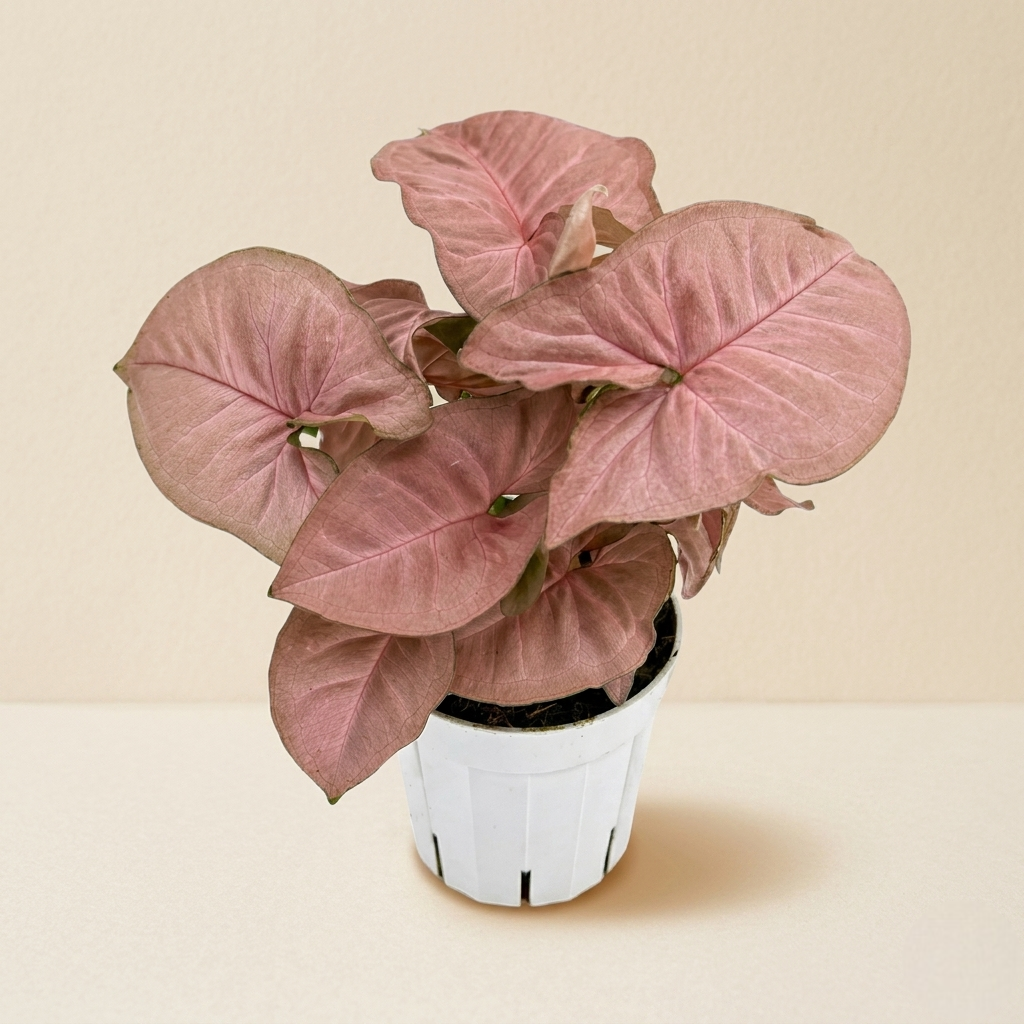
The Chinese Money Plant, scientifically known as Pilea peperomioides, is a widely loved and highly distinct indoor houseplant. Frequently called the UFO Plant, Pancake Plant, or Pass It On Plant, it is instantly recognizable by its flat, perfectly round, coin-shaped leaves that sprout from a central upright stem. It grows at a pleasant, active pace and naturally produces miniature offsets (or "pups") from its root system, allowing you to easily propagate and share them with friends. With its clean, playful aesthetic and structural symmetry, it acts as a wonderful green focal point on bright desks, compact countertops, or open living room shelves.

Other Common Names

Pilea peperomioides
Missionary Plant
Pancake Plant
Pass-It-On Plant

Care Details

Light

Bright indirect light matches all items perfectly when finding the ideal home for your Pilea. While certain robust species or Ficus varieties accept direct early morning intervals of sun, keep this plant shielded from intense, burning afternoon rays to prevent its delicate foliage from scorching or turning pale. If the light is too dim, the plant will become leggy, and its leaf stems will stretch out as they reach toward the nearest window.

Water

Watering this plant is incredibly simple: allow the top two inches of surface soil to dry completely before repeating watering runs. When it is time to water, give the soil a thorough, deep soak until water runs out of the drainage holes, then quickly empty the saucer underneath. Because its thick, fleshy leaves and stems store a reserve of moisture, the plant is highly sensitive to overwatering and prefers a brief dry spell over soggy, wet soil.

Humidity & Temperature

A moderate 40% baseline satisfies its humidity needs perfectly, making it very comfortable in standard indoor home climates. While trickier plants like Aralias maintain their leaf count better under consistent tracking and high humidity, the Chinese Money Plant is quite adaptable and forgiving. It maintains its optimal condition at standard 65–80°F (18–27°C) room settings. Keep it away from cold winter drafts or hot air flowing from heating vents.

Soil & Fertilizing

To prevent compacted soil and root rot, pot your Pilea in a loose, aerated potting mix. A loomy structural composition enhanced with fine aggregate sand or perlite pieces works beautifully to provide excellent drainage and allow roots to breathe. For feeding, incorporate standard liquid nutrients diluted to half-strength monthly from early spring through late summer. Pause all fertilizer entirely during the winter resting season.

Propagation

Propagating your Chinese Money Plant is a delightfully simple and rewarding experience. Healthy mature plants will naturally send up miniature baby offsets, or "pups," directly through the soil from the parent root system. Once a pup has grown a few leaves of its own, carefully slice it away from the parent plant using a clean, sharp knife, making sure to keep a portion of its roots intact, and place it in fresh potting soil or water to establish itself.

Re-potting

Plan to repot your Pilea every 1 to 2 years in the spring. Choose a container that is only 1 to 2 inches larger in diameter than the current pot, and ensure it features functional bottom drainage holes. Avoid upgrading to a container that is too large, as the excess soil will retain too much moisture and increase the risk of root rot.

Pet Friendly

Pet Safety

You can style this plant completely stress-free: the Chinese Money Plant is entirely pet friendly and non-toxic. It contains no harmful chemicals, calcium oxalate crystals, or toxins, making it perfectly safe for households with curious cats and dogs who might want to investigate the bouncy, round leaves.

Native Region

Pilea peperomioides is native to the damp, shaded, rocky mountain forest floors of the Yunnan and Sichuan provinces in Southern China.

Fun Fact

The Chinese Money Plant is famously called the "Pass-It-On Plant." In 1946, a Norwegian missionary named Agnar Espegren took cuttings of the plant from China back to Europe. He shared sprouted offsets with his friends and family, and the plant spread across the continent for decades purely through amateur gardeners sharing pups, long before it was ever sold in commercial plant shops!

Common Problems

Danger

Yellowing, Drooping Leaves and Soft Stem Base

Cause: Overwatering and root decay

If your Pilea's round leaves turn a dull yellow, droop heavily, or the main stem feels soft and mushy at the base, the soil is holding too much water. Soggy soil suffocates the roots and triggers rot. Stop watering immediately, verify the pot drains properly, and always allow the top two inches of surface soil to dry completely before repeating watering runs.

Warning

Leaves Curling Inward like Domes or Cups

Cause: Heat stress, direct sunlight, or low humidity

If the flat coin-shaped leaves begin to curl inward, forming tight cup shapes, the plant is trying to minimize its surface area to reduce water loss. This is usually a response to hot temperatures, direct sun exposure, or extremely dry air. Relocate the plant to a spot with bright, indirect light and keep it within the comfortable 65–80°F range.

Warning

Leggy Stems and Sparse, Reaching Growth

Cause: Insufficient ambient light

If your Pilea is developing exceptionally long, thin stems that stretch out wide towards the windows while losing its compact, bushy shape, it is not getting enough light. Move your plant to a brighter room or closer to a window that provides plenty of strong, indirect sunlight to encourage denser, healthier foliage.

Info

Tiny White Speckles on Leaf Undersides

Cause: Mineral transpiration (harmless mineral deposits)


Title:
Body: If you spot tiny, raised white dots on the back of your plant's round leaves, do not worry—this is not a pest. It is a completely natural process where the plant excretes excess minerals and salts from tap water through its pores. You can wipe structural foliage faces clear of these deposits with a damp cloth, or switch to using distilled water.

Quick Tips

Things to know

01

Allow the top two inches of surface soil to dry completely before repeating watering runs to keep the root system happy.

02

Rotate your plant's pot a quarter-turn every week to ensure all sides receive equal light, keeping its growth beautifully balanced.

03

Wipe structural foliage faces clear of residential dust layers regularly with a damp microfiber cloth to assist with photosynthesis.

04

Position the plant in a loamy structural composition enhanced with fine aggregate sand or perlite pieces to allow quick drainage.

05

Propagate the small baby "pups" that sprout from the soil to expand your collection or pass them on to friends.

06

Avoid placing your plant near active drafts, cold window glass, or heating vents to protect it from sudden temperature shocks.


Pet Friendly, Low Light, Easy Care, Statement Foliage, Desk Plant, Good Luck