Skip to content

Free Shipping On All Orders

Expert Care Guide with Every Plant

7-Day Undamaged Plant Guarantee

Calathea Dottie

Tap any badge to learn more

About

Calathea Dottie Live Plant

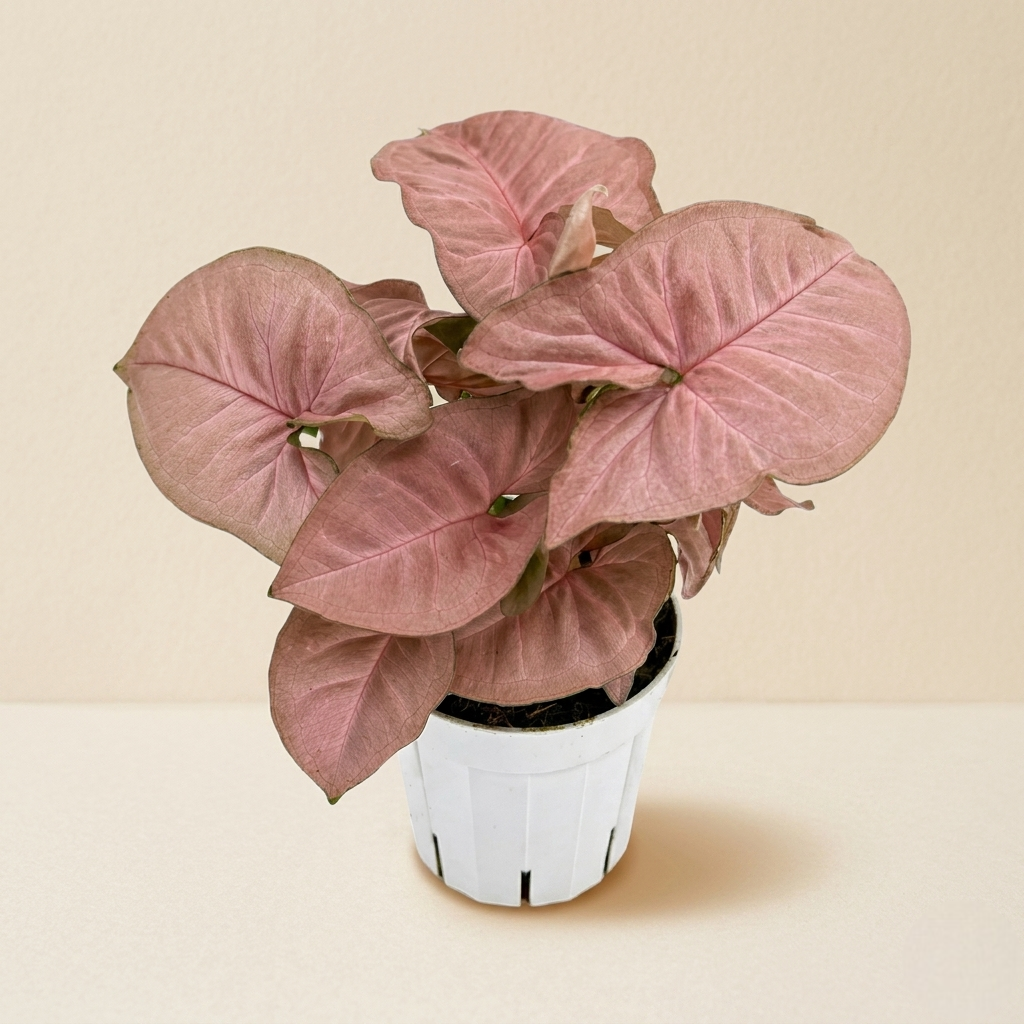
The Calathea Dottie, celebrated for its dramatic dark foliage with pink highlights, is a mesmerizing tropical perennial that brings high-contrast artistry to any indoor space. A beautiful cultivar of Goeppertia roseopicta, this stunning "prayer plant" is native to the shaded floor of the South American tropical rainforests, particularly within Brazil. It features large, broad, oval leaves of a deep burgundy-black tone, spectacularly traced with a ring of glowing fuchsia-pink that frames the leaf interior. True to its prayer-plant lineage, the Dottie exhibits nyctinasty, elegantly folding its leaves upward at night to reveal rich purple undersides, before lowering them to catch the daytime light. This active, living sculpture not only acts as a superb natural air purifier but also provides a safe, pet-friendly option for collectors seeking rare-looking, high-end jungle aesthetics.

Other Common Names

Dottie Prayer Plant
Rose-Painted Calathea
Goeppertia Dottie
Pink Pinstripe Calathea

Care Details

Light

Calathea Dottie thrives best in medium to bright indirect exposure. This lighting matches the dappled, filtered sun of its native jungle floor understory. It is imperative to avoid direct sun exposure entirely, as the intense rays will quickly bleach the dark pigments, scorch the leaf margins, and permanently blur the high-contrast leaf graphics. While it can adapt to lower light settings—earning its reputation as a flexible indoor plant—extended dark conditions will cause its vibrant pink lines to turn dull and slow down its growth significantly. Position it near a north- or east-facing window, or deep inside a bright room well away from raw window rays.

Water

Watering the Dottie demands an attentive routine to keep its potting medium evenly damp but never waterlogged. Never let the soil dry out completely, as drought causes immediate structural stress. To prevent unsightly brown, crisping edges and tip dieback, always use distilled, filtered, or rain water; this plant is highly sensitive to the chlorine, fluoride, and hard minerals found in standard tap water. Ensure you water thoroughly until it flows out the base, then discard any water remaining in the collection saucer to protect the root network from rot.

Humidity & Temperature

This tropical native demands elevated humidity conditions, ideally keeping it at 60 percent or higher to mimic its native rainforest. Lower humidity will quickly cause the foliage to develop dry, crispy borders. Utilize pebble trays, group it closely with other moisture-loving plants, or place a close-proximity humidifier nearby to keep the air moist. Keep ambient indoor temperatures stable within a comfortable range of 65–80°F (18–27°C). Prevent proximity to active HVAC cooling or heating vents, drafty entryways, or sudden freezing windows, which can shock the plant and cause leaf dropping.

Soil & Fertilizing

To maintain the moisture balance this plant loves without risking root rot, use peat-rich structural blends engineered to hold clean moisture safely without clogging. Incorporate a healthy mix of perlite and orchid bark to keep the substrate loose and aerated. To support its active leaf movement and steady foliage production, dilute a clean standard liquid fertilizer to half-strength and apply monthly through the active spring and summer windows. Completely cease all feeding throughout the autumn and winter seasons when the plant enters a natural rest period.

Propagation

Calathea Dottie cannot be propagated via leaf or stem cuttings; instead, it is successfully propagated through root division during its spring repotting phase. When the plant grows mature and full, carefully slide it from its pot and gently shake free the loose soil to expose the root clusters. Look for natural separations where a group of stems has established its own distinct root network. Using a clean, sterilized blade, separate these root segments carefully, ensuring minimal damage to the fine roots, and pot them immediately into fresh, damp, peat-rich mix. Keep the new divisions under high humidity and warm shade until fresh growth takes root.

Re-potting

Expect to repot your Calathea Dottie every 12 to 18 months in the spring to replenish the organic matter in the soil and accommodate root expansion. Choose a container that is just one size larger (about 1 to 2 inches in diameter) than its current pot and features clear drainage holes. Handle the delicate, fine root system with extreme care during the transfer to prevent transplant shock. Avoid packing the new soil too tightly around the base; keeping it loose allows for proper gas exchange and uniform moisture distribution.

Pet Safe

Pet Safety

The Calathea Dottie is completely pet safe, non-toxic, and friendly for both cats and dogs. It contains zero toxic compounds, irritating saps, or calcium oxalate crystals, making it an excellent peace-of-mind choice for any pet-friendly household. You can safely style this dramatic, dark-leafed specimen on a low table, shelf, or floor planter where curious pets might sniff or brush against it without any risk of systemic poisoning or oral discomfort.P

Native Region

Calatheas are natively indigenous to the tropical rainforest floors of Central and South America, with a heavy concentration hidden in the humid, deeply shaded understories of the Brazilian Amazon. Living beneath dense overhead tree canopies, they evolved to maximize light absorption using dark pigments and dynamic leaf movement, while relying on the constant warmth and intense ambient humidity of the tropical forest floor.

Fun Fact

The nightly movement of the Calathea Dottie's foliage is an amazing botanical phenomenon called nyctinasty! Driven by a tiny joint-like swelling at the base of the leaf called the pulvinus, the leaves shift upward nightly, folding together like hands raised in prayer. This movement helps the plant capture every bit of available light during the day and prevents water droplets from pooling on the leaves at night, which deters fungal growth.

Common Problems

Warning

Crispy Brown Leaf Edges and Tips

Cause: Low humidity or mineral accumulation

If the stunning edges of your Dottie's leaves are turning dry, brown, and crispy, the plant is struggling with low ambient humidity or a buildup of hard minerals from tap water. Calatheas are highly sensitive to chlorine and dry air. Immediately switch to watering with distilled or rainwater, trim away the dead margins carefully without cutting into healthy tissue, and raise the local humidity above 60 percent using a dedicated humidifier or moisture tray.

Warning

Curled Leaves and Drooping Stems

Cause: Underwatering and dehydration stress

When you notice the oval leaves tightly curling inward along their lengths and drooping downward during daylight hours, it is a clear hint of immediate water needs. The plant curls its foliage to minimize surface area and conserve internal moisture when the soil gets too dry. Thoroughly drench the potting medium until water flows out the drainage holes, and maintain a more consistent watering schedule to keep the soil evenly damp.

Danger

Yellowing Leaves with Soft Bases

Cause: Overwatering and developing root rot

Seeing multiple lower leaves turning yellow simultaneously while the base of the plant feels unstable or soft is a serious sign of overwatering and root suffocation. Stagnant water deprives the roots of vital oxygen, causing them to decay. Stop watering immediately, carefully inspect the drainage system, and allow the top layer of soil to dry out. If the damage is advanced, you may need to repot into fresh, aerated soil, cutting away mushy, rotted roots.

Info

Faded, Bleached Leaf Graphics

Cause: Excessive bright or direct light exposure

If the dramatic, deep dark purple-black coloration of the foliage begins looking washed out, dull gray, or faded, and the fuchsia highlights lose their pop, the plant is receiving too much direct light. Excessive sun breaks down the specialized pigments the plant uses to gather light in the shade. Move your Dottie further away from windows or relocate it to a spot with soft, filtered, medium indirect light to help restore its high-contrast color depth.

Quick Tips

Things to know

01

Use distilled or rain water exclusively to prevent chlorine sensitivity and keep the leaf edges completely free of crispy brown burn marks.

02

Keep the potting medium evenly damp at all times, making sure it never dries out completely or becomes a waterlogged, muddy mess.

03

Maintain elevated humidity levels above 60 percent by utilizing close-proximity humidifiers or setting the planter on a well-stocked pebble tray.

04

Clean the large leaves regularly with a damp microfiber cloth to remove dust, unblock pores, and keep natural light processing running efficiently.

05

Monitor your plant's dynamic movement; sudden folding or tight leaf drops during daylight hours hint at an immediate need for thorough watering.

06

Plant your Dottie in a peat-rich structural blend containing plenty of perlite to retain necessary moisture cleanly without clogging the roots.


Pet Friendly, Low Light, Air Purifying, Dramatic Foliage, Prayer Plant