Skip to content

Free Shipping On All Orders

Expert Care Guide with Every Plant

7-Day Undamaged Plant Guarantee

Calathea Burle Marx

Tap any badge to learn more

About

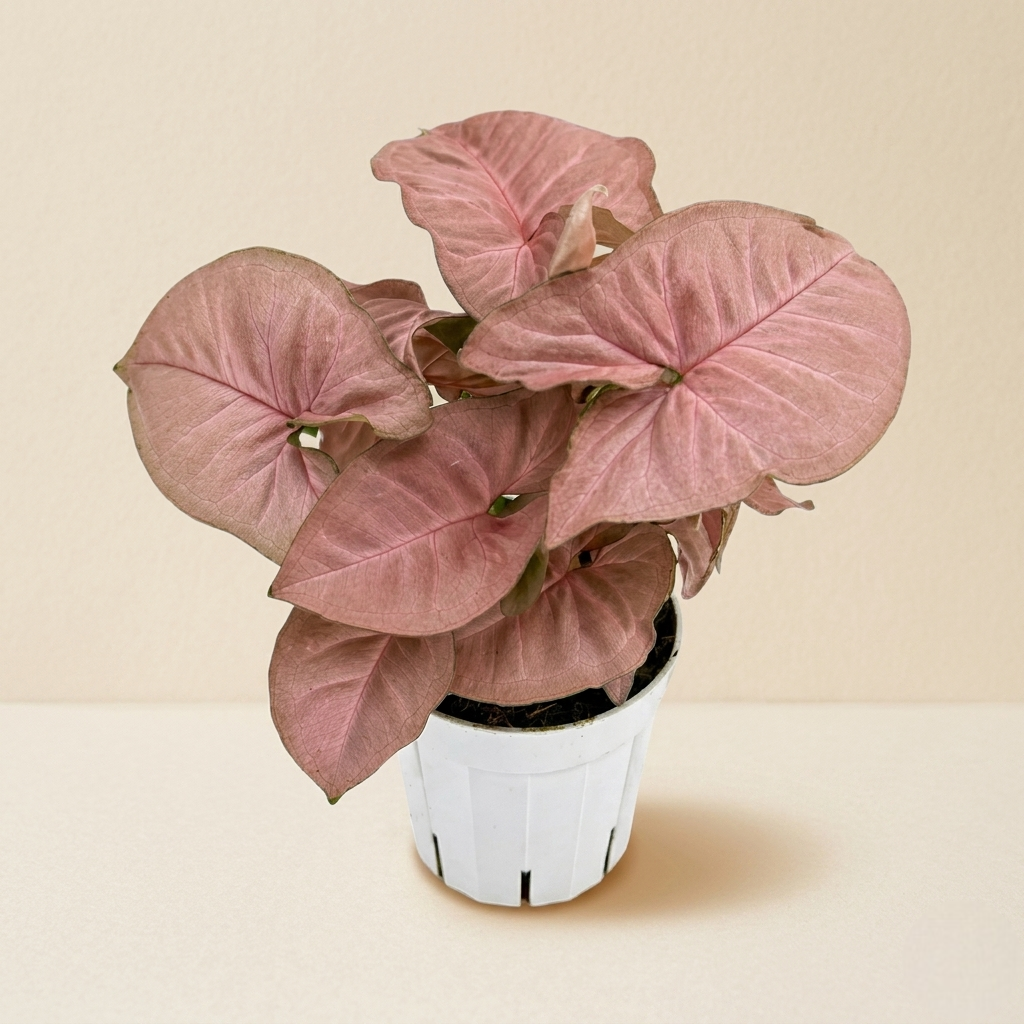
Calathea Burle Marx Live Plant

The Calathea Burle Marx, named in honor of the legendary Brazilian landscape architect Roberto Burle Marx, is a highly decorative tropical perennial beloved for its graphic foliage and compact, clumping growth habit. Native to the damp, shaded forest floors of the Brazilian rainforest, this elegant "prayer plant" stays lower and bushier than many of its relatives, making it an excellent tabletop choice. Its broad, paper-thin leaves feature an exquisite pattern of dark green, leaf-like brushstrokes tracing the veins against a pale, silvery-green background. As a member of the prayer plant family, the Burle Marx participates in a daily dance—its leaves stand tall and fold upward at dusk, revealing their rich purple undersides, and gently lower during the day to maximize light absorption. Non-toxic and an excellent natural air purifier, it adds high-contrast, structural jungle beauty to any space while remaining completely safe for pet-friendly households.

Other Common Names

Fishbone Calathea
Goeppertia burle-marxii
Calathea Amabilis
Burle Marx Calathea

Care Details

Light

The Calathea Burle Marx thrives in medium to bright indirect light, mimicking the dappled sun filtering through the dense Brazilian jungle canopy. Direct sunlight is the enemy of this plant; raw UV rays will easily scorch the thin foliage and bleach the delicate silver and dark green fishbone graphics. While it can tolerate lower-light corners better than many other variegated tropicals, prolonged dark conditions will cause the growth to stagnate and the foliage to lose its compact, bushy structure. Place it a few feet back from a bright east- or north-facing window, or shield it with a sheer curtain.

Water

To keep your Calathea Burle Marx happy, you must maintain an even, consistent level of moisture in the potting soil. Never let the soil dry out completely, as even a short drought will cause the leaves to crisp and curl. When watering, saturate the soil thoroughly until water drains freely from the bottom holes, then empty the tray immediately—never allow the roots to sit in stagnant water. To keep the delicate leaf margins pristine, always water with room-temperature distilled, filtered, or rainwater, as the plant is highly sensitive to fluoride and hard minerals found in tap water.

Humidity & Temperature

As a true rainforest understory native, this plant demands elevated relative humidity, ideally 60 percent or higher. Dry indoor air is the most common cause of dry, crispy leaf edges. Grouping it closely with other tropical plants, placing a humidifying pebble tray beneath its pot, or running a small humidifier nearby will keep its leaves soft and healthy. Keep ambient room temperatures consistently between 65–80°F (18–27°C). Protect your Burle Marx from freezing drafty windows in winter, hot drafts in summer, and the drying air currents of active heating and cooling vents.

Soil & Fertilizing

Because this plant needs consistent moisture but is highly susceptible to root rot, it requires a specialized potting medium. Use a peat-rich structural blend engineered to hold clean moisture safely without clogging, and mix in plenty of perlite and orchid bark to ensure excellent drainage and root airflow. During the active growing season of spring and summer, feed the plant monthly with a balanced liquid houseplant fertilizer diluted to half-strength. Refrain from fertilizing entirely during the fall and winter months when the plant’s growth naturally slows.

Propagation

Like other prayer plants, the Calathea Burle Marx cannot be propagated from leaf or stem cuttings. Instead, it is easily propagated through root division during its spring repotting cycle. When the parent plant becomes mature and dense with multiple offshoots, gently remove it from its pot and brush away some of the loose soil to expose the roots. Carefully untangle the root system to isolate a clump of stems that has its own established root network. Using a clean, sterilized knife, make a clean cut to separate the division, pot it in fresh, well-draining soil, and keep it in a warm, humid, shaded spot until it establishes.

Re-potting

Plan to repot your Calathea Burle Marx every 12 to 18 months in the spring to refresh its soil and give its roots room to spread. Choose a new container that is 1 to 2 inches wider than the current one, making sure it has functional drainage holes. Be exceptionally gentle with the fine, delicate root system during the transition, as rough handling can cause severe transplant shock. Fill in the gaps with your fresh, aerated soil mix, keeping it loose rather than compacting it tightly around the base.

Pet Safe

Pet Safety

The Calathea Burle Marx is 100 percent pet safe and non-toxic to both cats and dogs. It contains no toxic compounds or irritating saps, offering complete peace of mind for pet owners. You can safely place this striking, patterned foliage plant on low-level tables, shelves, or plant stands where curious pets might occasionally sniff, brush against, or even nibble on the leaves without any risk of poisoning or oral irritation.

Native Region

The Goeppertia burle-marxii is natively indigenous to the warm, hyper-humid tropical rainforest understories of Brazil. Living beneath the soaring, multi-layered jungle canopy, it adapted to grow in moist, organic-rich leaf litter where temperatures remain warm year-round, humidity stays near-saturated, and direct sunlight rarely reaches the forest floor.

Fun Fact

This plant honors Roberto Burle Marx, one of the most influential modernist landscape architects of the 20th century. He was a passionate botanist who championed the use of native tropical plants in modern design, introducing over 50 Brazilian plant species—including several Calatheas—to the horticultural world and raising global awareness for rainforest conservation.

Common Problems

Warning

Faded Foliage and Bleached Patches

Cause: Excessive direct sunlight exposure

If you notice the distinctive silver and green fishbone markings on your Calathea's leaves looking faded, washed-out, or if dry, straw-colored bleached patches are developing, the plant is getting too much direct light. Intense sun rays destroy the pigments that create its beautiful graphics. Immediately move the plant further away from the window or into a room with soft, filtered, indirect light to protect the delicate leaves.

Danger

Yellowing Leaves and Soft Base

Cause: Overwatering and root suffocation

If multiple lower leaves turn bright yellow simultaneously and the base of the stems feels unusually soft or mushy, the potting soil is waterlogged. Sitting in stagnant water deprives the roots of oxygen, leading to root rot. Stop watering immediately, ensure the container's drainage holes are clear, and allow the soil mix to dry out significantly. If the damage is severe, repot the plant into fresh, aerated soil, trimming away any mushy, decayed roots.

Warning

Curling Leaves and Drooping Stems

Cause: Underwatering or severe dehydration

When the leaves of your Burle Marx curl tightly inward along their edges and the stems begin to droop during the day, the plant is telling you it is extremely thirsty. Calatheas curl their leaves to conserve moisture and reduce surface area under drought stress. Give the soil a thorough, deep watering with distilled water until it runs out the bottom, and adjust your routine to keep the soil consistently, evenly damp.

Info

Crispy, Brown Leaf Margins and Tips

Cause: Low humidity or tap water mineral sensitivity

If dry, crispy brown edges are creeping along the borders of your plant's beautiful leaves, the issue is likely dry indoor air or tap water sensitivity. The thin leaves are highly sensitive to minerals like chlorine and fluoride, as well as low humidity. Trim away the dead brown tissue with clean scissors (leaving a tiny margin of brown to avoid cutting live cells), switch exclusively to distilled water, and raise local humidity above 60 percent.

Quick Tips

Things to know

01

Water exclusively with distilled, filtered, or rainwater to prevent unsightly, crispy brown burn marks from mineral sensitivities.

02

Ensure the potting soil stays evenly damp at all times; never let the root zone dry out completely or sit in stagnant, muddy water.

03

Keep local humidity levels above 60 percent by grouping plants, setting up pebble trays, or running a humidifier nearby.

04

Use a peat-rich structural potting blend mixed with plenty of perlite and orchid bark to guarantee essential airflow to the roots.

05

Regularly wipe the broad leaves with a damp microfiber cloth to keep them free of dust, allowing the plant to photosynthesize efficiently.

06

Watch the natural leaf movement; sudden folding or drooping during the day is an early indicator that the plant is craving immediate hydration.


Pet Friendly, Low Light, Air Purifying, Fishbone Pattern, Prayer Plant