Skip to content

Free Shipping On All Orders

Expert Care Guide with Every Plant

7-Day Undamaged Plant Guarantee

Bromeliad Tosca

Tap any badge to learn more

About

Bromeliad Tosca Live Plant

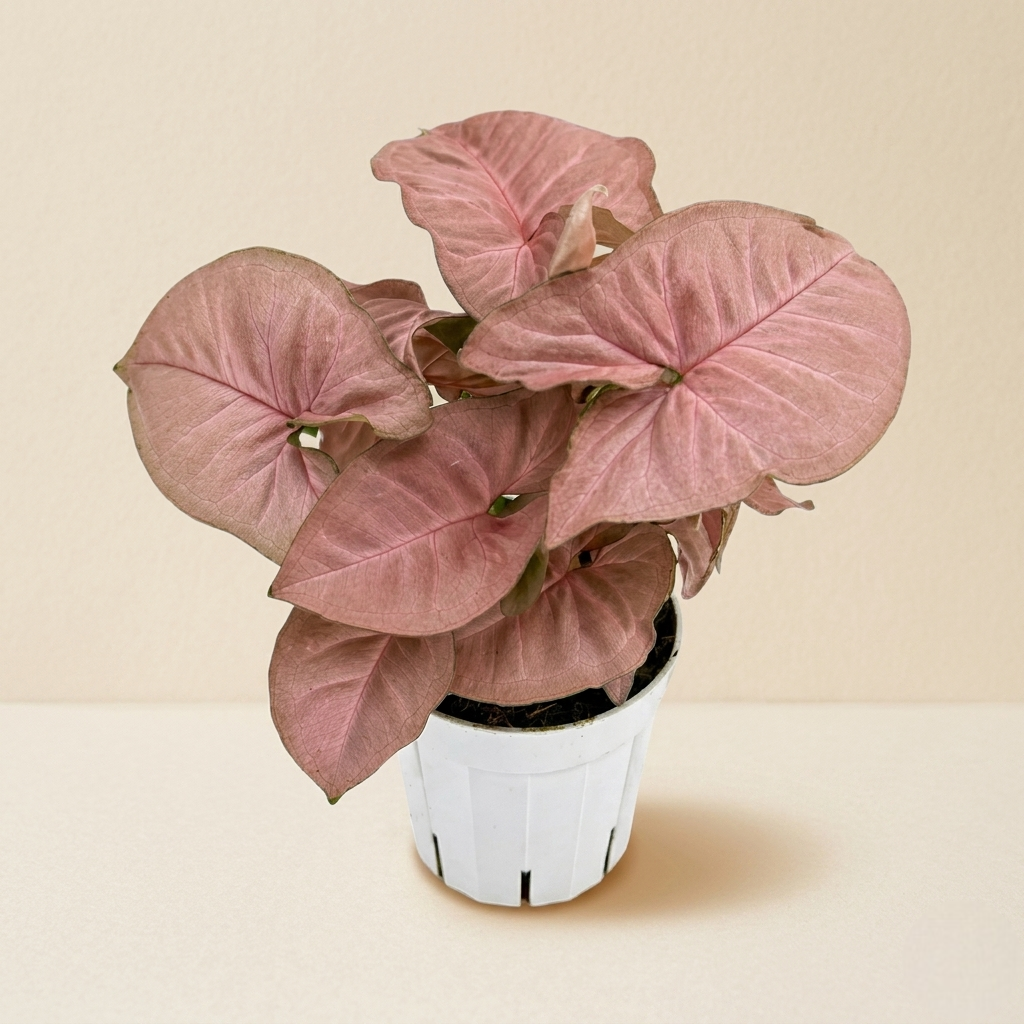
The Bromeliad Tosca, widely celebrated as the Bold Flowering Bromeliad, is a show-stopping tropical perennial renowned for its dramatic flair, geometric symmetry, and long-lasting color. Natively indigenous to the warm, high-canopy rainforests of Central and South America, this exotic epiphyte grows nestled into mossy tree branches rather than traditional soil. It features a stunning, fountain-like rosette of smooth, deep-green foliage that naturally funnels moisture into a central "tank" or cup. The true crown jewel of the Tosca is its spectacular central inflorescence—a towering, star-shaped structural bract of vivid crimson and amber that remains brilliant for months at a time. Perfect for adding a modern, architectural punch of jungle energy to bright interiors, this low-maintenance beauty is as durable as it is beautiful, naturally purifying indoor air while adapting effortlessly to standard home conditions.

Other Common Names

Tosca Bromeliad
Flaming Rosette
Tropical Tank Bromeliad
Scarlet Star Guzmania

Care Details

Light

The Bromeliad Tosca requires bright, well-filtered windows to thrive and maintain the intense, fiery hues of its central flower spike. Bright ambient light mimics the dappled canopy of its native jungle habitat. Be sure to keep it shielded from direct sun rays, as unfiltered direct glass exposure creates dry, bleached patches on the leaves. While it can tolerate moderate indoor shade for short periods, prolonged low-light conditions will cause the brilliant colors of the central bract to fade prematurely and turn a dull green. A spot a few feet away from a large south- or east-facing window is ideal.

Water

Watering this unique plant requires shifting focus away from the soil and onto its foliage anatomy. Fill the center structural cup formed by the leaves with clean, room-temperature water weekly, tipping the plant occasionally to flush out old, stagnant water and prevent bacterial buildup. For attached Tillandsia or air plant variations within this family, submerge the entire plant completely in water for 20 minutes weekly. Keep the underlying potting substrate just barely moist; overwatering the root zone will quickly lead to root rot, as the root system exists primarily to anchor the plant to its perch rather than drink.

Humidity & Temperature

The Tosca thrives comfortably when ambient humidity averages 40–60%. If your indoor air is exceptionally dry, regular misting or placing a pebble tray nearby will keep the leaf tips pristine. For any accompanying air plant variations, ensure they receive rapid systemic drying within 2 hours post-wash to prevent moisture from trapping between the tight leaf bases. Maintain a stable indoor temperature range of 60–80°F (15–27°C). Shield the plant from direct contact with freezing glass panes during winter nights, and keep it safely clear of drying drafts from heating and cooling vents.

Soil & Fertilizing

Because its roots demand maximum oxygen and minimal moisture retention, use pure coarse orchid bark or a highly porous bromeliad mix that allows water to drain instantly. For Tillandsia variations, you can mount them entirely soil-free on driftwood, cork bark, or stone. The Bromeliad Tosca is a light feeder that gathers nutrients through its leaves rather than its roots. Use heavily diluted, air-plant specialized misting solutions sparingly, spraying the foliage once every 4 to 6 weeks during the active spring and summer months, and never pour full-strength fertilizer directly into the central water cup.

Propagation

While the flowering bract naturally lasts for several months, the parent generation eventually produces offshoot "pups" around its base before reaching its natural life conclusion. This is the plant's beautiful way of ensuring its legacy. Leave these baby pups attached until they are at least one-third to one-half the size of the original parent plant and have begun forming their own central cups. At that point, use a sharp, sterilized knife to slice them cleanly away from the base, ensuring you keep any tiny roots they have formed intact, and pot them up individually in fresh, coarse bark.

Re-potting

Because bromeliads possess a remarkably small, shallow root system, the Tosca rarely requires repotting throughout its lifespan. It will happily spend its entire life cycle in its original container. If the plant becomes top-heavy due to a massive flower spike, simply slip the existing pot into a heavier decorative ceramic or stone planter to provide stability. If you must repot a young offset, choose a small, stable container with excellent drainage holes and pack it loosely with pure, chunky orchid bark to keep the base secure without compressing the air spaces.

Pet Safe

Pet Safety

The Bromeliad Tosca is completely pet-safe and non-toxic to both cats and dogs. Unlike many other exotic tropical plants, it contains no harmful sap or irritating crystals, making it an excellent choice for pet owners who refuse to sacrifice high-end, vibrant jungle aesthetics for safety. Your pets can wander freely around this bold flowering specimen without any risk of oral irritation or systemic toxicity, allowing you to display it proudly anywhere from a low coffee table to a bedroom nightstand.

Native Region

Guzmania bromeliads are natively indigenous to the tropical rainforest understories and mountainous cloud forests of Central and South America, with dense populations spanning across Costa Rica, Brazil, Peru, and parts of the West Indies. In the wild, they live high off the ground as non-parasitic epiphytes, anchoring themselves firmly to the bark of towering trees where they collect falling rainwater, organic forest debris, and morning dew inside their specialized leaf rosettes.

Fun Fact

A bromeliad plant only flowers a single time in its entire life! The incredible show of color you see is the plant's grand finale. The brilliant red spike isn't actually a flower, but a collection of modified leaves called bracts that protect tiny, short-lived white or yellow blossoms. Once the blooming cycle ends after several months, the parent plant shifts all its remaining energy into producing the next generation of pups before gently bowing out.

Common Problems

Warning

Faded, Bleached Patches on Foliage

Cause: Excessive direct sunlight exposure

If you spot dry, straw-colored bleached patches or pale, washed-out spots on the upper leaves, your Bromeliad Tosca is getting hit by too much direct sunlight. Raw, unfiltered UV rays quickly scorch the leaf tissue and destroy the rich pigments. Move the plant immediately away from the direct path of the window glass, or place a sheer curtain over the window to ensure it receives only bright, beautifully filtered indirect light.

Danger

Foul Odor or Rotting Leaf Bases

Cause: Stagnant water or overwatered potting base

A foul odor coming from the center of the rosette, accompanied by a flower spike that feels loose or leaf bases that turn black and mushy, is a clear sign of rot. This happens if old water is left to stagnate in the cup for too long without being flushed, or if the soil base is waterlogged. Empty the central cup completely, flush it thoroughly with fresh water, stop watering the substrate, and let the coarse bark dry out 100% in a well-ventilated room.

Warning

Fading Color and Failure to Maturity

Cause: Low ambient lighting conditions

If the vibrant red and orange tones of your Tosca's central bract begin turning a dull, uniform green or fading prematurely, the plant is likely starved for light. Without adequate ambient illumination, it cannot produce the energy required to sustain its intense display. Relocate the specimen to a noticeably brighter room or closer to a window that gets high-volume, well-filtered daylight to help lock in its bold tropical colors.

Info

Crispy, Brown Leaf Tips and Edges

Cause: Low humidity levels or chemical-heavy tap water

Finding crispy, dry brown tips creeping along the edges of the strap-like leaves usually points to dry indoor air or a sensitivity to minerals found in hard tap water. Bromeliads feed heavily through their foliage and are sensitive to chlorine and fluoride. Trim away the dead tips with sharp scissors following the natural curve of the leaf, switch to using distilled, filtered, or rainwater, and increase local humidity with light misting.

Quick Tips

Things to know

01

Fill the center structural leaf cup with clean water weekly, tipping the plant occasionally to completely flush out old, stagnant water.

02

Use pure coarse orchid bark as your potting medium to guarantee the rapid drainage and heavy root airflow these epiphytes need.

03

Keep ambient temperatures stable between 60–80°F and always shield the foliage from direct contact with freezing winter glass panes.

04

Apply heavily diluted, specialized air-plant misting solutions sparingly to the leaves rather than pouring standard fertilizer into the cup.

05

Allow the parent generation to produce offshoot pups around the base; harvest them only when they reach half the parent's size.

06

For any Tillandsia or air plant variations kept nearby, submerge them completely for 20 minutes weekly and ensure rapid drying within 2 hours.


Easy Care, Pet Friendly, Bold Bromeliad, Colorful Tropical, Low Maintenance Bloom