Skip to content

Free Shipping On All Orders

Expert Care Guide with Every Plant

7-Day Undamaged Plant Guarantee

Anthurium Pink Lilli

Tap any badge to learn more

About

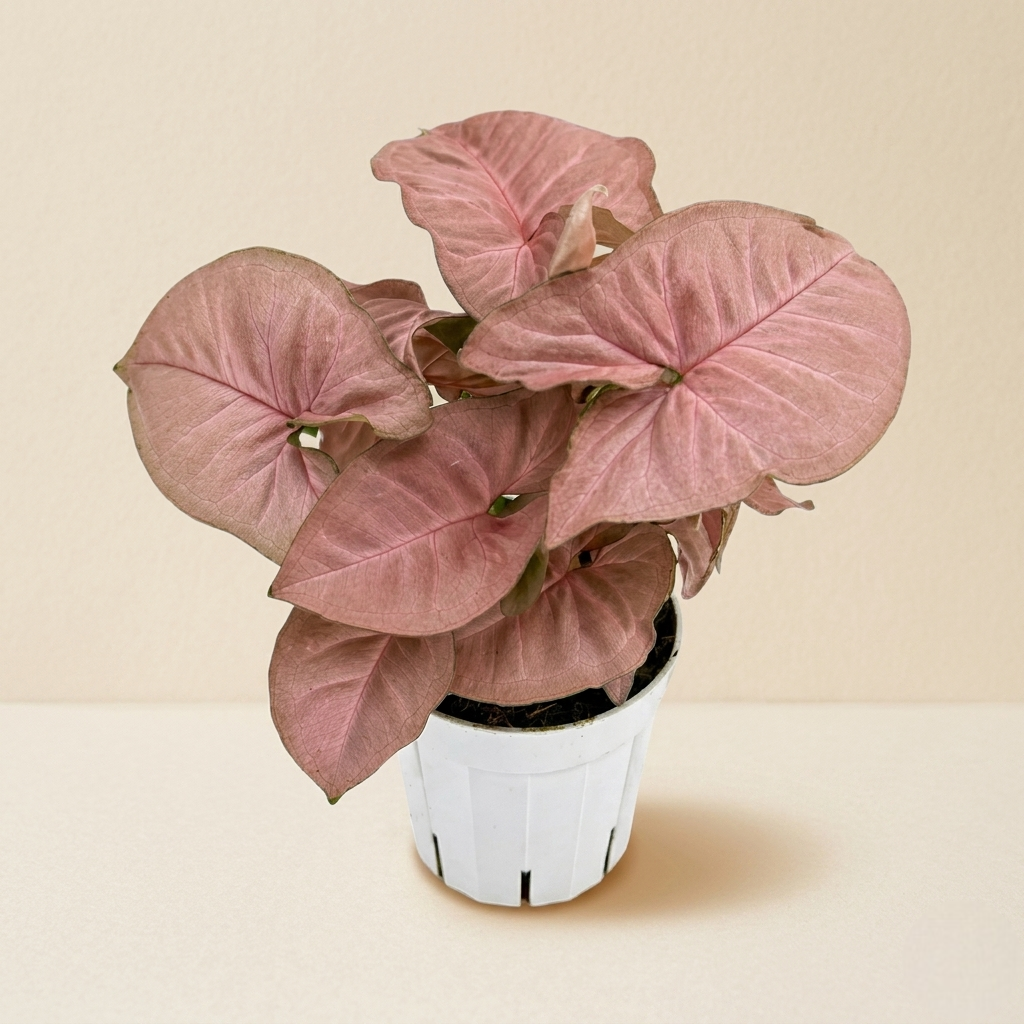
Anthurium Pink Lilli Live Plant

The Anthurium Pink Lilli, often celebrated as the Long-Lasting Pink Flowering Anthurium, is a uniquely graceful cultivar belonging to the tropical Araceae family. Characterized by its narrow, ribbon-like pink spathes and slender purple-pink spadices, this plant offers a distinctively modern look compared to traditional heart-shaped anthuriums. Its flowers rise elegantly on upright stems above a dense, compact canopy of glossy, dark green, lance-shaped foliage. Natively descended from the humid, tropical rainforests of Colombia and Ecuador, it thrives exceptionally well as an indoor specimen due to its highly prolonged blooming cycle. It serves as an instant pop of warm color for modern workspaces, living rooms, or tabletop displays. Beyond its striking visual design, this resilient plant continuously works to filter indoor toxins, making it an excellent functional piece of living home decor.

Other Common Names

Pink Lilli Anthurium
Ribbon Flamingo Flower
Tailflower Pink Lilli
Painter's Palette

Care Details

Light

Position your plant in a spot that receives plenty of bright, indirect sunlight to ensure continuous flower production throughout the year. While it can tolerate medium indirect light, a lack of sufficient brightness will cause the plant to stop blooming and grow leggy. Avoid placing it in direct, unfiltered sun rays, as intense afternoon light will quickly scorch the glossy leaves and bleach the vibrant pink color from the flowers. An east-facing window sill or a location a few feet away from a large south- or west-facing window provides the perfect lighting baseline.

Water

Water your plant thoroughly only when the top 1 to 2 inches of the potting mix have completely dried out. When watering, pour room-temperature water evenly over the substrate until it flows freely from the bottom drainage holes, then empty the collection saucer after ten minutes. As an epiphyte-leaning tropical plant, its thick roots are highly susceptible to suffocating if left sitting in stagnant moisture or soggy soil. During the fall and winter months, reduce your watering frequency to match the plant's slower metabolic pace.

Humidity & Temperature

Maintain stable indoor temperatures consistently between 65°F and 85°F to mirror its native tropical habitat. It is essential to guard this plant against sudden cold drafts from windows, external doors, or the drying airflow of active heating and cooling vents. While it adapts beautifully to standard household humidity levels of 40% or higher, maintaining an elevated range of 50% to 70% will promote larger blooms and shinier leaves. Ensure the space never drops below 55°F, as prolonged exposure to cold temperatures will stun the plant and halt flower production.

Soil & Fertilizing

Plant this specimen in a loose, highly aerated structural potting mix that provides exceptional drainage while retaining light moisture. You can mix the perfect substrate by incorporating coarse orchid bark and perlite into a standard peat or coco coir potting base. This chunkier composition replicates the natural epiphytic environment, allowing vital oxygen to circulate around the root system freely. Apply a balanced liquid houseplant formulation once a month during the active spring and summer growing windows. Dilute the fertilizer to half-strength to protect the tender roots from chemical burns while providing steady fuel for continuous blooming.

Propagation

Propagation is most successfully achieved through root division or by separating natural offshoots during the spring repotting season. Carefully slide the mature plant from its container and gently brush away the loose soil to inspect the root structure. Look for established offshoot clumps at the base that possess their own independent root networks and at least two to three healthy leaves. Gently separate these pups from the parent plant using your hands or a sterile knife, then pot them into individual small containers using the signature chunky mix. Keep the new divisions in a warm, humid spot with bright indirect light until they establish a stable foothold.

Re-potting

This variety prefers to be relatively snug in its container and only needs to be repotted every 2 years, or when the roots begin to crowd the surface. Choose a new container that is only 1 to 2 inches larger in diameter than the old one, verifying that it has functional drainage holes at the bottom. Carefully loosen the outer roots before centering the plant in the new vessel and filling the surrounding gap with fresh, aerated soil mix. Water the plant thoroughly after the transition to help settle the media and minimize transplant shock.

Not Pet Safe

Pet Safety

The Anthurium Pink Lilli contains insoluble calcium oxalate crystals throughout its foliage, stems, and roots, making it toxic to dogs and cats. Ingesting or chewing any part of the plant will release these crystals, causing immediate oral irritation, intense burning of the mouth, drooling, and difficulty swallowing. Always display this flowering variety on high tabletops, secure plant stands, or shelves where curious pets cannot reach it. If you suspect your pet has consumed any part of this plant, monitor them closely and seek immediate veterinary care.

Native Region

The ancestral species of this Anthurium cultivar are native to the warm, highly humid tropical rainforest regions of Colombia and Ecuador. They grow naturally as understory plants, often growing epiphytically on trees or in organic debris along the forest floor where they receive filtered light. Replicating this humid, warm, and highly aerated structural environment indoors is key to keeping the plant blooming continuously.

Fun Fact

What looks like a delicate pink petal on the Anthurium Pink Lilli is not actually a true flower, but rather a modified leaf called a spathe. The true flowers are microscopic bumps located entirely along the upright, finger-like spadix rising from the center of the spathe. These unique structures are evolved to be incredibly durable, allowing a single bloom to remain vibrant and open for up to eight weeks indoors.

Common Problems

Danger

Yellowing Leaves and Drooping Stems

Cause: Excess moisture and root decay

When the lower foliage turns completely yellow and the entire plant looks limp despite wet soil, you are dealing with overwatering. Saturated substrate cuts off the airflow to the roots, causing them to suffocate and rot away rapidly. Once the root system decays, it can no longer deliver water or nutrients to the upper parts of the plant. Stop watering immediately and check that the container's drainage holes are completely open and clear. Allow the top half of the soil mix to dry out completely before you water again.

Warning

Lack of Blooms or Green Flowers

Cause: Inadequate indirect lighting levels

If your plant stops producing new pink blooms or if the emerging flowers turn a washed-out green color, the ambient light is too low. Anthuriums require a high volume of bright, filtered sunlight to synthesize the energy needed to produce their vibrant pink spathes. In low light, the plant will prioritize basic survival growth, often fading out its existing blooms and turning them green to maximize chlorophyll production. Relocate the plant to a brighter room or closer to an east- or west-facing window to encourage fresh, colorful blooms.

Warning

Brown Scorched Marks on Leaves

Cause: Direct sunlight sunburn

The appearance of crisp, tan, or brown dried patches on the upper surfaces of the leaves indicates direct sun damage. Intense, unfiltered midday sun rays break down the plant's delicate tissues and burn the glossy outer cuticle layer. These scorched patches are permanent and cannot heal, meaning affected leaves will eventually need to be pruned for appearance. Move the container away from the direct path of the window or use a sheer curtain to diffuse the light safely.

Info

Dry Leaf Tips and Cracking Spathes

Cause: Low ambient humidity levels

If the edges of the glossy green leaves look dry and brittle or the pink flower spathes start to split or crack prematurely, the indoor air is too dry. This tropical native thrives best when indoor moisture remains stable above 40 percent, and drops below this threshold cause moisture to evaporate too quickly from the leaf tips. You can resolve this issue by introducing a small humidifier near the plant or grouping it with other tropical houseplants. Avoid placing the container anywhere near active heating vents or air conditioners.

Quick Tips

Things to know

01

Wipe the glossy leaves once a week with a damp microfiber cloth to remove dust and maintain their signature tropical shine.

02

Snip off old, fading flowers at the very base of their stems using sterilized pruning shears to redirect energy toward new blooms.

03

Never use commercial leaf shine products on this plant, as they can block the stomata and interfere with its natural respiration.

04

Rotate the pot 90 degrees every month to ensure even light distribution and prevent the plant from leaning lopsidedly toward the window.

05

Flush the soil with pure distilled or rainwater occasionally to rinse out any accumulated fertilizer salts from the chunky mix.

06

If the soil becomes overly dry and compacted, soak the bottom of the pot in a water basin for fifteen minutes to rehydrate the bark.


Flowering Anthurium, Pink Flowering Plants, Easy Care Houseplants, Tropical Anthurium, Colorful Plants