Skip to content

Free Shipping On All Orders

Expert Care Guide with Every Plant

7-Day Undamaged Plant Guarantee

Alocasia Bambino Pink Variegated

Tap any badge to learn more

About

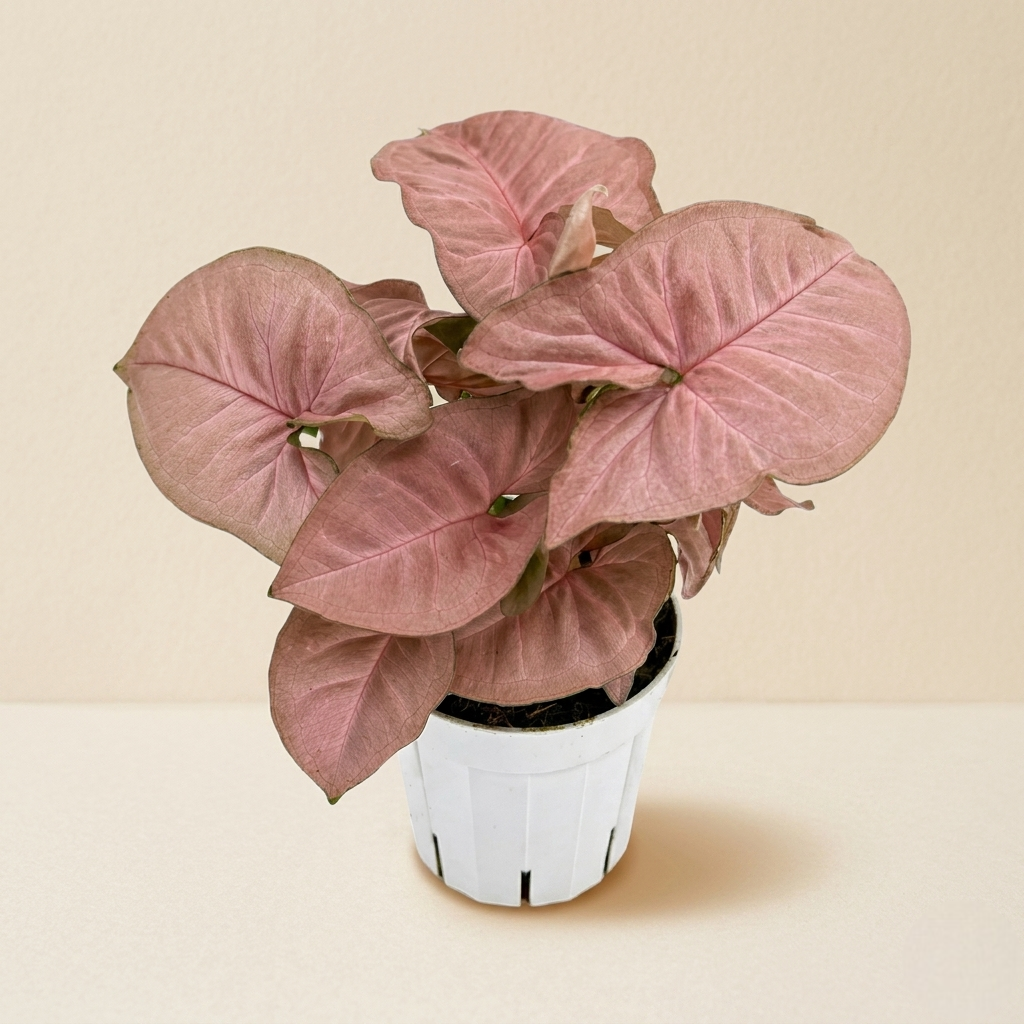
Alocasia Bambino Pink Variegated

For collectors seeking the ultimate jewel foliage, the Alocasia Bambino Pink Variegated stands out with its compact size and breathtaking, high-contrast coloration. It combines the classic, elongated "African Mask" leaf shape with an extraordinary mutation of pastel pink and ivory white variegation. As a specialized starter tissue specimen, it requires a thoughtful acclimation phase during its initial weeks. Once stabilized, this miniature variety remains beautifully compact, making it a perfect fit for a humid tabletop greenhouse or a dedicated plant cabinet display where its gorgeous, abstract-painted leaves can be appreciated up close.

Other Common Names

Pink Variegated Bambino
Pink Variegated Jewel Alocasia
Alocasia Bambino Pink Variegated Tissue Plant
Variegated Alocasia 'Bambino Arrowhead'

Care Details

Light

Provide plenty of bright, indirect light. Strong, filtered light is essential for keeping the pink variegation vibrant and helping the plant photosynthesize effectively. Keep the plant completely away from harsh, direct sunlight to prevent leaf scorching.

Water

Allow the top 1–2 inches of soil to dry out before watering. While Alocasias prefer slightly more consistent moisture than some other aroids, their delicate roots will easily rot if left sitting in waterlogged, stagnant soil. Always dump any excess drainage water out of the tray.

Humidity & Temperature

Maintain a high humidity level between 50–70% to keep the variegated leaf sectors healthy and prevent crispy brown margins. Keep the plant in warm conditions between 65–85°F (18–30°C) and guard closely against severe cold drafts or temperatures dropping below 55°F.

Soil & Fertilizing

Plant in an ultra-aerated, chunky soil mixture. Incorporate plenty of orchid bark and perlite into a standard potting base to ensure excellent drainage and oxygen airflow to the roots. Apply a balanced liquid formulation monthly during the active spring and summer windows.

Propagation

As a specialized starter tissue specimen, expect an initial stabilization runtime during its first few weeks. Provide a humid, warm, and highly stable environment (such as a cloche or a clear storage box) before rapid leafing updates manifest. Avoid repotting or disturbing the roots during this delicate phase.

Re-potting

Avoid Pets

Pet Safety

This plant is toxic to pets due to calcium oxalate crystals. If chewed, it can cause severe mouth irritation, swelling of the tongue and lips, excessive drooling, and vomiting. Keep it safely away from all household pets.

Native Region

While the parent species of Alocasia are native to the tropical, high-humidity rainforest floors of Southeast Asia, this specific, highly coveted 'Pink Variegated' cultivar is carefully propagated and cloned in specialized tissue culture laboratories.

Fun Fact

The 'Bambino' is a true dwarf cultivar, meaning it will stay beautifully compact and rarely grow taller than 12 inches. This makes it an incredibly elegant centerpiece for terrariums or high-humidity plant cabinets!

Common Problems

Danger

Soft, Mushy Stems or Yellowing

Cause: Overwatering or poor soil drainage

If the stems feel soft, mushy, or the plant starts drooping when the soil is wet, it is highly likely that root rot has set in. Immediately cease watering, check the roots, and repot into a fresh, much chunkier, well-draining soil mix.

Warning

Dry, Crispy Brown Edges on Pink Patches

Cause: Low humidity or hot direct sunlight

The variegated, pink sectors of the leaves lack chlorophyll and are incredibly sensitive to dry air and intense light. If you notice dry, crispy brown spots developing on these parts, move the plant away from direct windows and boost humidity levels immediately.

Warning

Rapid Dropping of Older Leaves

Cause: Sudden temperature shock or winter dormancy

Alocasias are highly sensitive to temperature drops. If exposed to drafts or temperatures below 55°F (13°C), the plant may shed leaves and begin going dormant. Keep it consistently warm and reduce watering if growth slows down in the winter.

Info

Little to No Growth Over Several Weeks

Cause: Normal acclimation or root development phase

If your starter specimen seems to be holding still, it is likely focusing its energy below the soil to establish a healthy root system. Keep its environment warm and humid, provide bright indirect light, and avoid moving the pot.

Quick Tips

Things to know

01

Provide a warm, humid environment with stable conditions to help your tissue culture specimen acclimate smoothly.

02

Always let the top 1–2 inches of soil dry out completely before watering to guard against root rot.

03

Avoid placing your Alocasia in drafty areas or near dry heating and air conditioning vents.

04

Use an ultra-chunky potting mix packed with orchid bark and perlite to keep oxygen flowing to the sensitive roots.

05

Place your Pink Variegated Bambino in a location with bright, filtered indirect light to protect its delicate colors.

06

Hold off on fertilizing during the initial acclimation weeks; wait until the plant stabilizes and begins pushing out active new growth.


Rare & Collectible, Colorful Foliage, Compact Plant, Tissue Culture, Collector Plant, Jewel Alocasia