Skip to content

Free Shipping On All Orders

Expert Care Guide with Every Plant

7-Day Undamaged Plant Guarantee

Aglaonema Sparkling Sarah

Tap any badge to learn more

About

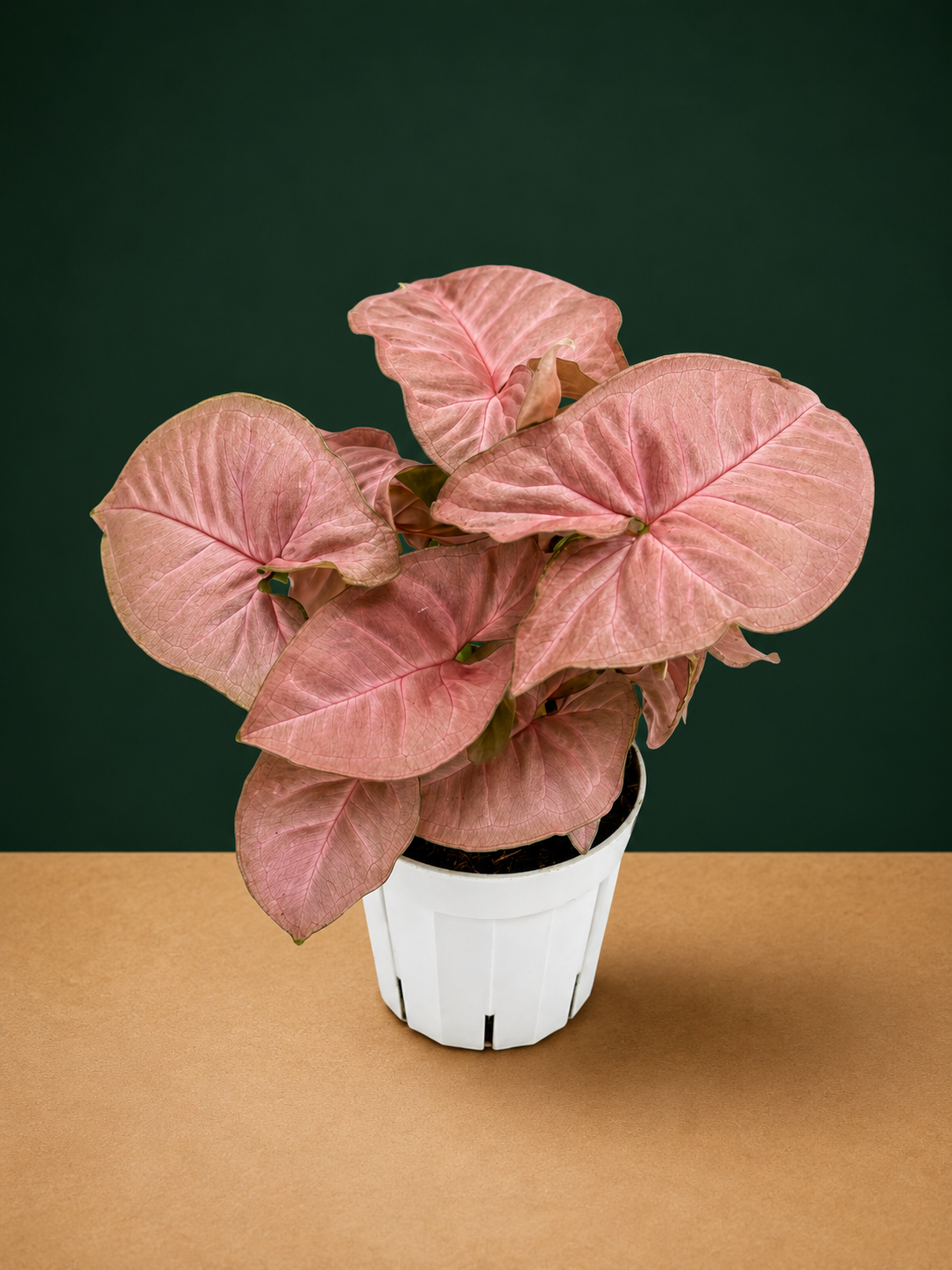
Aglaonema Sparkling Sarah Live Plant

The Aglaonema Sparkling Sarah is a highly sought-after, eye-catching cultivar of the Chinese Evergreen family, loved for its bright, playful colors and structural elegance. Belonging to a group of plants native to the tropical forest understories of Southeast Asia, this hybrid stands out with its luminous pale pink petioles and stems. Its broad, lance-shaped leaves are a tapestry of variegated mint green, deep forest green, patches of cream, and splashes of soft pastel pink. It brings a refreshing energy to modern interiors, effortlessly brightening up dark corners where other variegated plants might fail to thrive. Beyond its aesthetic appeal, it is highly valued for its robust, low-maintenance nature, making it a reliable option for busy plant parents. It also functions beautifully as a natural indoor air purifier, combining ultimate resilience with premium, striking design.

Other Common Names

Sparkling Sarah Chinese Evergreen
Aglaonema Sparkling Sarah
Pink Chinese Evergreen
Variegated Aglaonema Sarah

Care Details

Light

This resilient houseplant easily adapts to a broad spectrum of lighting, from lower light offices to bright living rooms. For the best visual results, position it in bright, indirect sunlight, which will stimulate the production of its brilliant pink and cream leaf variegation. You must shield the foliage from harsh, direct afternoon sun rays to prevent the delicate variegated sections from scorching or bleaching. If placed in an excessively dark corner, its growth will slow considerably and the new leaves will display a more uniform green coloration. An ideal location is a few feet away from a large, bright window where the light is softened by a sheer curtain.

Water

Water your plant thoroughly only after the top 1 to 2 inches of soil have completely dried out. When executing a watering, pour water evenly over the soil surface until it begins to stream steadily from the drainage holes, then empty the bottom tray to prevent stagnant water buildup. This variety possesses a robust root system and thick stems that store moisture, making it highly tolerant of occasional desertion. Conversely, constantly saturated soil will quickly lead to root rot and a decline in plant health. During the cooler autumn and winter seasons, drop your watering frequency significantly as the plant enters a semi-dormant phase.

Humidity & Temperature

Maintain standard indoor temperatures consistently between 65°F and 85°F to mirror its native tropical habitat. It is vital to protect the plant from cold drafts near exterior doors, uninsulated winter windows, or the direct airflow of active HVAC vents. While standard home humidity levels of 40% or greater work perfectly fine for this variety, it will truly flourish if given elevated levels between 50% and 70%. You can easily boost the localized moisture by setting up a compact humidifier nearby or grouping it with other tropical houseplants. Ensure that the ambient temperature never drops below 55°F, as extreme cold causes immediate structural and cellular damage.

Soil & Fertilizing

Plant this variety in a loose, well-aerated potting mixture designed to facilitate exceptional drainage while retaining light moisture. Create the ideal substrate by incorporating plenty of perlite and porous orchid bark directly into a standard peat-based potting soil. This structural combination keeps the soil light and fluffy, ensuring vital oxygen can always reach the roots without clogging. Throughout the active spring and summer growing windows, feed your plant once a month with a balanced liquid houseplant formulation. Be sure to dilute the mixture to half-strength to protect the tender roots from chemical burns while providing sufficient nutrients for fresh foliage production.

Propagation

Propagation is straightforward and best executed through stem cuttings or root division during the active spring or early summer months. To take a stem cutting, select a healthy, mature stalk displaying multiple leaves and make a clean cut just below a node using sterilized shears. Submerge the cut end in a jar of clean water or place it directly into a moist, lightweight propagation mix, keeping the node fully covered. Place the cutting in a warm spot with bright indirect light and change the water weekly until roots reach two inches in length. Alternatively, you can carefully separate natural offset pups from the parent plant during a repotting session, ensuring each division retains its own root network.

Re-potting

This slow-to-moderate grower only requires repotting every 2 to 3 years to refresh the soil and accommodate root expansion. Choose a new container that is only 1 to 2 inches larger in diameter than the old one, verifying that it features functional drainage holes at the base. Gently slide the plant out of its old pot and lightly loosen the outer roots to encourage outward growth in the new substrate. Center the plant in the new vessel, fill the surrounding space with fresh, aerated soil, and press down gently to eliminate large air pockets. Water the newly potted specimen thoroughly to settle the potting medium and minimize transplant shock.

Not Pet Safe

Pet Safety

The Aglaonema Sparkling Sarah contains insoluble calcium oxalate crystals throughout its leaves and stems, making it toxic to dogs and cats. If an animal chews or swallows the foliage, these microscopic crystals cause immediate oral irritation, intense burning, swelling of the tongue, and vomiting. For a pet-friendly home, it is essential to display this plant on high bookshelves, secure mantels, or plant hangers completely out of reach. If you suspect your pet has ingested any part of this plant, seek immediate guidance from your local veterinarian.

Native Region

The ancestral lineages of the Aglaonema Sparkling Sarah are native to the tropical and subtropical rain forests of Southeast Asia. In these natural jungle settings, they thrive on the warm, highly humid forest floor under the shade of a dense tree canopy. This native environment is exactly why the plant tolerates low light so well and dislikes cold drafts or dry air indoors.

Fun Fact

Aglaonemas have been cultivated for centuries in Asia as heralds of good fortune, with their specific patterns and bright colorations believed to attract wealth. The Sparkling Sarah variety is particularly unique because its beautiful pink tones are actually carried all the way through its stems, not just on the leaf surfaces. Additionally, their legendary durability earned them a spot in early clean-air studies, proving their efficiency at filtering common indoor toxins.

Common Problems

Danger

Yellowing Lower Leaves and Soft Stems

Cause: Chronic overwatering and root decay

If you notice the lower leaves turning a uniform yellow while the pink stems feel soft or mushy, the plant is experiencing overwatering. When the soil remains waterlogged for long periods, it cuts off oxygen to the roots, causing them to rot and die. Immediately stop watering and check that the drainage holes at the bottom of the pot are not blocked. Allow the potting medium to dry out completely before watering again, and prune away any heavily decayed stems at the soil level.

Warning

Crispy Brown Leaf Tips

Cause: Dry indoor air or underwatering

The development of dry, brittle brown edges or tips on the foliage indicates that the plant is suffering from low humidity or dehydration. While standard options tolerate normal household air, dropping below the 40 percent threshold will cause the delicate leaf tips to dry out. Check the moisture level deep in the pot, and if the soil feels bone-dry, give it a thorough, deep watering. To prevent this issue from recurring, place a small humidifier nearby or sit the pot on a tray filled with pebbles and water.

Warning

Scorched Patches and Faded Colors

Cause: Excessive direct sunlight exposure

Bleached, dry tan patches appearing on the upper surfaces of the leaves are a classic symptom of direct sunburn. Intense, unfiltered light destroys the beautiful pink and cream pigments and damages the underlying variegated cells. These scorched areas cannot recover their vibrant colors and will eventually need to be trimmed away for aesthetics. Relocate the plant to a spot where the sun's rays are completely indirect or diffused by a sheer window curtain.

Info

Slow Growth and Muted Variegation

Cause: Inadequate ambient lighting levels

When your plant stops producing new growth and the vibrant pink splotches look dull or mostly green, it is not getting enough light. Although this variety survives in low light, it requires bright indirect light to actively synthesize its stunning, highly variegated colors. Without enough light, the plant increases its green chlorophyll production to catch whatever light is available, masking the pink hues. Move the container closer to a bright, filtered east- or west-facing window to revitalize its signature sparkling appearance.

Quick Tips

Things to know

01

Wipe the broad variegated leaves once every two weeks with a damp microfiber cloth to clear away dust and keep the foliage breathing easily.

02

Rotate the plant 90 degrees every time you water to ensure all sides get equal exposure and the structural growth stays perfectly upright.

03

Always use room-temperature water when hydrating your plant, as icy cold water can shock the sensitive tropical roots and cause leaf spotting.

04

Snip off any older, naturally yellowing bottom leaves cleanly at the base with sterilized shears to keep the plant looking pristine and focused on new growth.

05

Avoid placing this warm-loving tropical variety near air conditioning units or drafty entryways, as cold air drops can cause structural drooping.

06

If the soil mix dries completely and shrinks away from the sides of the pot, use the bottom-watering method for fifteen minutes to fully rehydrate the peat.


Chinese Evergreen, Variegated Houseplants, Easy Care Plants, Pink Plants, Aglaonema Care