Skip to content

Free Shipping On All Orders

Expert Care Guide with Every Plant

7-Day Undamaged Plant Guarantee

Aglaonema Garnet

Tap any badge to learn more

About

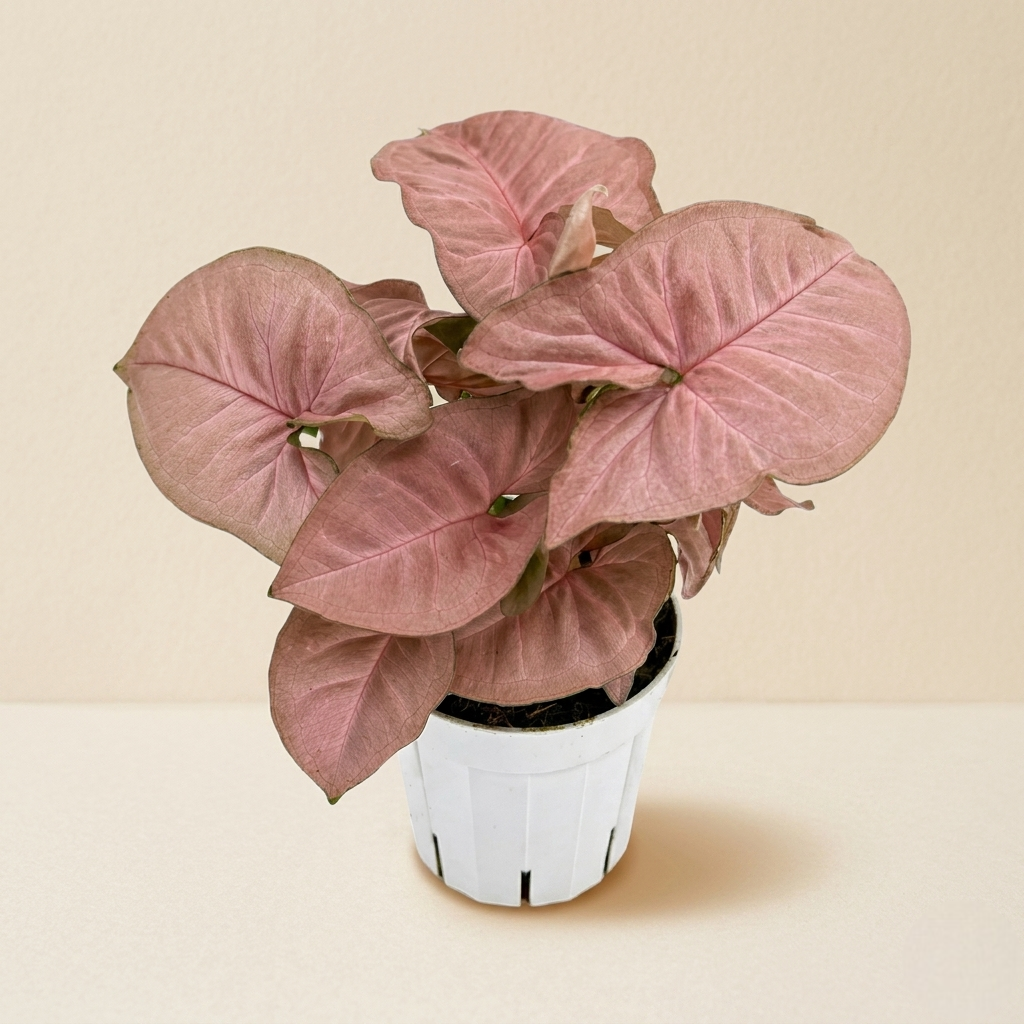
Aglaonema Garnet Live Plant

The Aglaonema Garnet, commonly known as the Colorful Chinese Evergreen, is a stunning tropical perennial highly prized for its vibrant foliage and exceptionally resilient nature. Originating from the humid, shaded forest floors of Southeast Asia, this variety stands out with its lance-shaped leaves that feature striking ruby-red margins and rich pink variegation splashed across a deep green backdrop. It has become a favorite among modern interior designers and plant enthusiasts because it adds an instant pop of warm color to spaces where other colorful plants might struggle. Known as a plant of good fortune in Asian cultures, it is celebrated for its incredible adaptability to low-light conditions and forgiving care requirements. Beyond its visual charm, it is an excellent choice for improving indoor air quality, making it a functional and beautiful statement piece for any home or office space.

Other Common Names

Chinese Evergreen Garnet
Red Aglaonema
Aglaonema Red Garnet
Colorful Chinese Evergreen

Care Details

Light

This highly adaptable houseplant thrives best in bright, indirect sunlight, which actively encourages the most vivid pink and ruby-red variegation to develop on its foliage. It can easily tolerate lower light environments, making it ideal for dimmer rooms or office desks, though its growth will slow down and the colors may become more muted. You must keep it away from harsh, direct midday sun, as intense rays will quickly scorch the leaves and leave permanent bleached patches. A placement near an east-facing window or set back several feet from a bright west-facing window provides the perfect lighting balance.

Water

Water your plant thoroughly only when the top 1 to 2 inches of the potting soil have dried out completely. When you water, pour slowly and evenly over the substrate until moisture drains out of the bottom holes, then empty the drainage saucer after a few minutes to prevent soggy roots. This variety is much more forgiving of underwatering than overwatering, as its thick stems store a modest amount of moisture. During the darker fall and winter months, the plant's metabolism slows down, so you will need to reduce your watering frequency significantly.

Humidity & Temperature

Maintain stable indoor temperatures between 65°F and 85°F to mimic its native tropical environment. It is crucial to guard the plant against severe ambient drafts, sudden temperature drops, or placements near active heating and cooling vents. It can easily tolerate standard household humidity levels of 40% or greater, making it highly versatile for typical indoor spaces. However, providing an elevated humidity range between 50% and 70% using a nearby humidifier will reward you with faster growth and larger, glossier leaves. Ensure the space never drops below 55°F, as prolonged exposure to cold can cause permanent cellular damage to the foliage.

Soil & Fertilizing

Plant this specimen in a loose, well-draining substrate base that allows ample oxygen to reach the root system. To achieve the perfect structural blend, incorporate a healthy amount of orchid bark and perlite into a standard peat or coco coir potting base. This specific mixture ensures excellent airflow and rapid drainage while still retaining the light amount of moisture the plant needs. During the active spring and summer growing windows, apply a balanced liquid houseplant formulation once a month. Dilute the fertilizer to half-strength to protect the roots from salt buildup while providing essential nutrients for fresh leaf development.

Propagation

Propagation is most successfully performed through stem cuttings or root division during the warm spring or early summer months. For stem cuttings, select a healthy stalk with at least three to four leaves and cleanly cut it below a node using a sharp, sterilized knife. Place the cutting directly into clean water or a moist, airy propagation mix, ensuring at least one node is completely submerged or buried. Keep the cutting in a warm spot with bright indirect light, changing the water weekly until strong roots develop to a length of two inches. Alternatively, you can gently separate natural root clumps when repotting the mature mother plant and pot them into their own individual containers.

Re-potting

This slow-growing plant only needs to be repotted every 2 to 3 years, or when you notice roots beginning to wrap tightly around the inside of the container or grow out of the drainage holes. Select a new pot that is only 1 to 2 inches wider in diameter than the current one, ensuring it features adequate drainage functionality. Gently untangle any tightly bound roots before placing the specimen into its new home with fresh, nutrient-rich soil mix. Water the plant thoroughly after the transition to help settle the potting medium and alleviate root shock.

Not Pet Safe

Pet Safety

This plant is toxic to dogs, cats, and other household pets and should be kept safely out of their reach. The foliage and stems contain insoluble calcium oxalate crystals, which cause immediate oral irritation, swelling of the mouth, and difficulty swallowing if chewed or ingested. If you suspect your pet has consumed any part of the plant, monitor them closely and contact your veterinarian right away. Consider displaying this colorful variety on a high shelf or a secure plant stand to keep it beautiful and out of harm's way.

Native Region

The Aglaonema Garnet is native to the tropical and subtropical regions of Southeast Asia, including parts of Thailand, Malaysia, and the Philippines. In these habitats, it grows natively on the shaded forest floor beneath the dense jungle canopy. This natural setting explains its innate ability to tolerate lower light conditions and its preference for warm, draft-free environments indoors.

Fun Fact

In many Asian cultures, Chinese Evergreens have been cultivated for centuries as symbols of good fortune, longevity, and prosperity. The more vibrant and intensely colored the variegation on the leaves, the more luck the plant is traditionally said to bring to the home. Their extreme durability also earned them a spot as one of the original houseplants studied by NASA for their exceptional indoor air-purifying capabilities.

Common Problems

Danger

Yellowing Leaves and Mushy Stems

Cause: Excess moisture and root rot

When lower leaves turn a distinct yellow color and the lower stems feel soft or mushy, the plant is suffering from overwatering. Saturated soil cuts off the oxygen supply to the roots, causing them to decay and stop functioning properly. Immediately check the drainage holes of your pot to ensure they are not blocked by compacted soil. Allow the potting medium to dry out completely before you consider watering again, and trim away any heavily damaged or rotted stems at the base.

Warning

Faded Colors and Drooping Foliage

Cause: Low light or underwatering

If the bright ruby-red margins look washed out and the entire plant begins to sag listlessly, it is often a sign of poor lighting or severe dehydration. While it survives in dim spots, a total lack of indirect light will cause it to lose its dramatic pink pigments over time. Check the soil moisture by pressing your finger deep into the pot; if it feels bone dry, the plant needs a deep, thorough watering. Move the container closer to a bright, filtered window to help restore its vivid color palette and structural upright shape.

Warning

Dry Brown Patches on Leaves

Cause: Direct sun scorch

The appearance of crisp, tan, or brown patches localized on the upper surfaces of the leaves indicates direct sun damage. Intense, unfiltered sunlight breaks down the delicate leaf tissue and literally sunburns the variegated cells. These scorched areas are permanent and will not recover their vibrant green and red coloration. To protect the rest of the foliage, relocate the plant to a spot where the light is filtered by a sheer curtain or shifted away from the window's direct path.

Info

White Webbing or Sticky Residue

Cause: Common houseplant pests

Finding fine white webs or tiny, cotton-like spots on the leaf undersides or stem joints means your plant has attracted common pests like spider mites or mealybugs. These small insects thrive in warm, dry indoor conditions and feed on the plant's sap, weakening the overall structure. Treat the infestation immediately by wiping down all leaf surfaces thoroughly with a damp microfiber cloth and a mild insecticidal soap solution. Keep the plant isolated from your other greenery until the pests are completely eradicated to prevent the infestation from spreading.

Quick Tips

Things to know

01

Wipe both sides of the lance-shaped leaves once every two weeks with a damp microfiber cloth to remove dust and maintain its glossy sheen.

02

Rotate the plant a quarter turn every time you water to ensure all sides receive equal light and the growth remains beautifully symmetrical.

03

Trim off any occasional green sport leaves or entirely yellowed lower foliage at the soil line using clean, sharp pruning shears.

04

If your indoor air is exceptionally dry during winter, place a small humidifier near the plant to maintain a comfortable baseline humidity above 40 percent.

05

Avoid placing this tropical variety directly in front of an air conditioning unit, as cold drafts can cause the leaves to develop dark spots.

06

Always err on the side of underwatering rather than overwatering, as the thick root system reacts poorly to constantly wet conditions.


Chinese Evergreen, Easy Care Plants, Colorful Houseplants, Low Light Plants, Aglaonema Care